

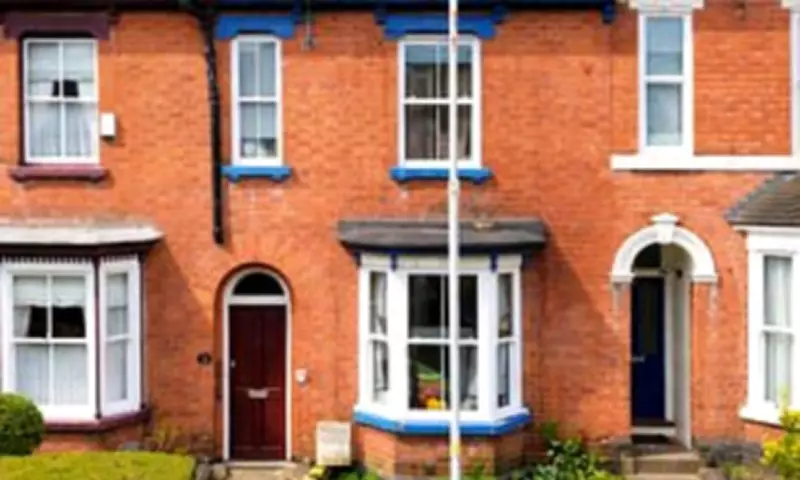
AI Transforms Cluttered Wolverhampton Home into Tidy Virtual Showcase
A two-bedroom mid-terraced house in Wolverhampton, so overwhelmed with clutter that estate agents resorted to artificial intelligence to digitally erase the mess, has ignited a fierce online controversy. The property, listed for offers exceeding £200,000, was photographed in its original state, with rooms strewn with clothes, bags, and household debris, leaving floors and furnishings nearly invisible under the chaos.
Virtual Makeover Versus Reality
Instead of physically cleaning the 1890s home before marketing, the listing on Rightmove included AI-staged images that swept away the disorder, replacing it with neat, polished interiors that exist only on screen. This unusual before-and-after presentation of the 'characterful town house' has sharply divided potential buyers, with some condemning it as deceptive and others defending it as a fair method to help visualize the property's potential.
The Rightmove listing explicitly acknowledges the use of 'staged images', a practice growing in popularity as estate agents strive for maximum marketability. The Wolverhampton home features two bedrooms, two reception rooms, recently fitted uPVC glazing, and 'deceptively spacious' accommodation, described in the sales blurb as a 'peaceful retreat for rest and relaxation'.

Dramatic Digital Transformations
In one striking example, a bedroom originally hemmed in by clutter—with clothes piled high, cables trailing across the floor, and bedside surfaces crammed with belongings—appears in the staged version as a tidy, minimalist space with clean carpet, a clear bedside cabinet, and carefully placed cushions. Similarly, another bedroom dominated by an untidy bunk bed, overflowing shelves, and rubbish scattered across the floor is shown as an orderly, presentable room with neatly made bedding.
The bathroom underwent a dramatic virtual makeover, transitioning from a scene with laundry, bottles, and household items scattered around the bath and toilet to a sleek, pared-back room almost devoid of mess. The same treatment was applied to reception rooms and the kitchen, where cluttered everyday scenes were replaced by magazine-style interiors.
Online Backlash and Support
When the listing was shared on Reddit, users quickly debated whether the AI-enhanced images represented a smart sales tactic or crossed ethical boundaries. One commenter argued, 'That mess could be hiding all kinds of issues like damp or damage to walls and floors, which if not shown in the AI modified image could be misleading.' Another added, 'It looks like the kitchen has been given new cupboards and counters. I'd be pretty annoyed about being misled like that if I went to view it.'
Further criticisms included concerns about underlying maintenance issues, with one user noting, 'I'd be worried about underlying maintenance issues if the cleanliness is anything to go by,' and another remarking, 'What a bizarre house—they seem to have put quite a lot of effort into decorating it and then are living like utter slobs.' Humorous takes also emerged, such as, 'I wish I could outsource all this constant cleaning to ChatGPT.'
Defenders of the Practice
Others were more forgiving, pointing out that the staged pictures were clearly labelled and that original photographs were also provided. One commenter wrote, 'I'm fine with it. The agent has clearly marked that the images are staged, and has provided before and after images. There is no trickery here, it's simply how it is, and what it could look like.' Another said, 'The house is actually nice but you wouldn't be able to tell from the actual photos. And they aren't lying about it because the originals are also there.'
However, even some supporters of virtual decluttering noted that the edits seemed to go beyond merely removing mess, potentially altering perceptions of the property's condition. This Wolverhampton home exemplifies how artificial intelligence is reshaping property listings, with agents increasingly using digital tools to remove clutter, add furniture, and brighten interiors to enhance online appeal.

Broader Implications and Regulations
Proponents argue that such images help buyers focus on a property's size, layout, and potential rather than being distracted by untidiness. Critics, however, warn that heavy editing risks masking problems and creating unrealistic expectations. In contrast to Australia, where New South Wales has introduced legislation requiring agents to declare AI use in listings, the UK currently has no equivalent requirement, leaving the ethics of such practices largely unregulated.
This case highlights the growing intersection of technology and real estate, raising important questions about transparency and consumer protection in an increasingly digital marketplace.





