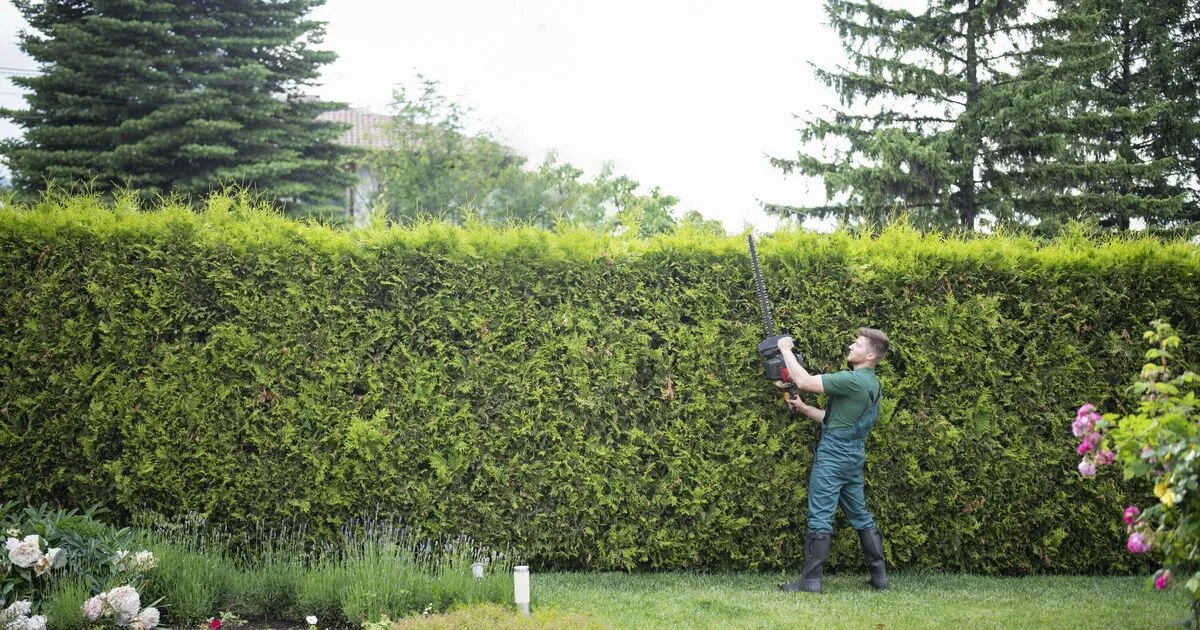
Homeowners throughout the United Kingdom are receiving urgent warnings that their overgrown garden hedges could trigger formal complaints from neighbours and potentially result in substantial fines of up to £1,000. This regulatory issue stems from official government legislation specifically designed to address shrubbery that has grown excessively tall and may negatively impact a neighbour's enjoyment of their own property.
Understanding the Legal Framework
According to detailed government guidance, Part 8 of the Anti-social Behaviour Act 2003 empowers local councils to thoroughly investigate complaints concerning problematic hedges. The law applies specifically to hedges composed of two or more evergreen or semi-evergreen trees or shrubs that stand taller than two metres. This means many common garden hedges could potentially fall under this regulation if not properly maintained.
The Complaint Process and Council Responsibilities
The government clearly states that councils must first determine whether the hedge in question is genuinely affecting a neighbour's "reasonable enjoyment" of their home or garden. If this threshold is met, authorities can issue a formal remedial notice requiring the hedge owner to promptly reduce its height and implement measures to prevent the problem from recurring. However, councils are instructed to dismiss complaints if neighbours have not first attempted to resolve the matter directly through informal discussion or mediation.
Local authorities typically charge fees for handling these high hedge complaints. For example, Sevenoaks District Council currently charges £650 to investigate a formal complaint about an overgrown hedge under its established service rules. The council explicitly states that applicants must provide evidence of attempted dispute resolution before lodging a formal complaint, and cautions that the fee applies regardless of whether the complaint ultimately succeeds or any action is pursued.
Assessment Criteria and Potential Consequences
According to official GOV.UK guidance, councils evaluate several factors when assessing hedge complaints, including whether the vegetation is obstructing light or access and whether it is genuinely damaging the "reasonable enjoyment" of a property. If complaints are upheld, councils can issue legally binding remedial notices demanding specific actions within designated timeframes.
Failure to comply with such a remedial notice constitutes a criminal offence under the legislation. Government guidance confirms that offenders can face fines up to £1,000, and councils reserve the right to enter the property to perform the required hedge maintenance themselves if necessary. Importantly, the legislation does not permit councils to force complete hedge removal or require reduction below two metres in all circumstances—rulings must balance both neighbours' interests and consider the broader impact on the surrounding area.
The Prevalence of Hedge Disputes
Property experts note that disputes over hedge height rank among the most common neighbourhood grievances throughout the United Kingdom. While the majority of these conflicts are resolved informally between neighbours, official council intervention can prove financially burdensome should cases escalate to formal enforcement proceedings. Homeowners are therefore advised to maintain regular hedge trimming and engage in open communication with neighbours to prevent potential disputes from developing into costly legal matters.