
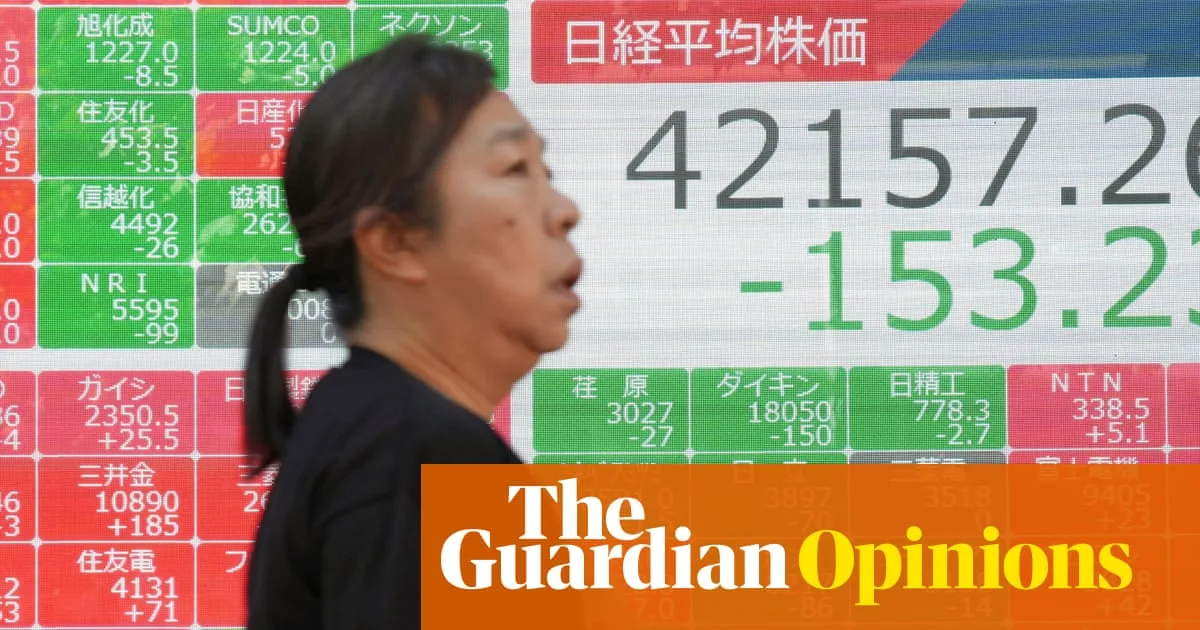
The collapse of Barings Bank in 1995, triggered by trader Nick Leeson's failed bet that markets would force Japan to raise interest rates, serves as a cautionary tale for Britain today. Leeson's gamble that the Bank of Japan could not keep rates low after a government borrowing spree proved disastrous when the Kobe earthquake led to rate cuts instead. This 'widowmaker' trade highlights how states, not markets, ultimately shape fiscal outcomes—a lesson the UK seems to have forgotten amid talk of 'bond vigilantes'.
While the UK differs from Japan, both countries borrow in their own currency, have floating exchange rates, and are vulnerable to imported inflation. Yet Japan has built a resilient economic model around these facts, whereas Britain has not. Sterling's recent drop reflects foreign exchange trading dynamics, where perceptions of government competence drive short-term currency prices, as economist John T Harvey notes. This insight should liberate policy: the UK can and should run fiscal deficits to fund a green industrial strategy, investing in domestic manufacturing, energy security, and exports to reduce vulnerabilities and address the persistent current account deficit.
Liz Truss's downfall was not caused by borrowing per se, but by borrowing for the wrong reasons—sacking Treasury officials, bypassing safeguards, and promising unfunded tax cuts for the wealthy during high inflation. This was a governance crisis, not a macroeconomic one. Rachel Reeves risks a different mistake: adopting fiscal rules to appease markets that ignore reality. Rather than self-imposed arbitrary constraints, the Labour party should be bold and scrap them altogether, focusing instead on a budget statement outlining how government plans affect trade, inflation, and investment. It should be voters, not markets, who decide what is credible.




