Smaller Portions Emerge as Dominant Restaurant Trend
Across the United States, a significant shift is occurring in the restaurant industry as establishments of all sizes embrace smaller portion menus. This trend is driven by consumers who are increasingly mindful of both their budgets and their waistlines, leading to a widespread adoption of petite, more affordable dining options.
Meeting Diverse Consumer Demands
From national chains like Olive Garden and The Cheesecake Factory to trendy urban eateries and farm-to-table restaurants, special menus featuring reduced portions are becoming commonplace. Restaurants are responding to multiple consumer needs simultaneously. Some diners seek to reduce spending when dining out, while others pursue healthier alternatives or weight management goals.
Maeve Webster, president of culinary consulting firm Menu Matters, observes that younger consumers particularly favor smaller, more frequent meals throughout the day. "These changes are fundamentally driven by evolving perspectives on food relationships, spending habits, and perceptions of value," Webster explained.

Practical Implementation at Local Restaurants
Beth Tipton, co-owner of Daniel Girls Farmhouse Restaurant in Connersville, Indiana, introduced an eight-item Mini Meals menu last autumn after receiving multiple customer requests for smaller portions. The menu, featuring daily specials like a half portion of meatloaf with green beans, mashed potatoes, and gravy for $8, now represents approximately 20% of the restaurant's orders.
"With rising costs affecting everyone, we wanted to provide assistance where possible, and this represents an excellent option," Tipton stated. She noted that about half of her clientele consists of older adults who sometimes find regular menu prices challenging. Having undergone weight-loss surgery herself, Tipton understood the frustration many adults experience when restaurants prohibit them from ordering from children's menus.
Catering to GLP-1 Medication Users
A particularly notable development involves restaurants creating specialized menus for users of GLP-1 weight-loss and diabetes medications such as Zepbound, Wegovy, Ozempic, and Mounjaro. Barry Gutin, co-owner of Cuba Libre Restaurant and Rum Bar with locations in Philadelphia, Washington D.C., Atlantic City, and Orlando, developed a GLP-Wonderful menu after encountering friends who struggled to find suitable restaurant meals while using these medications.
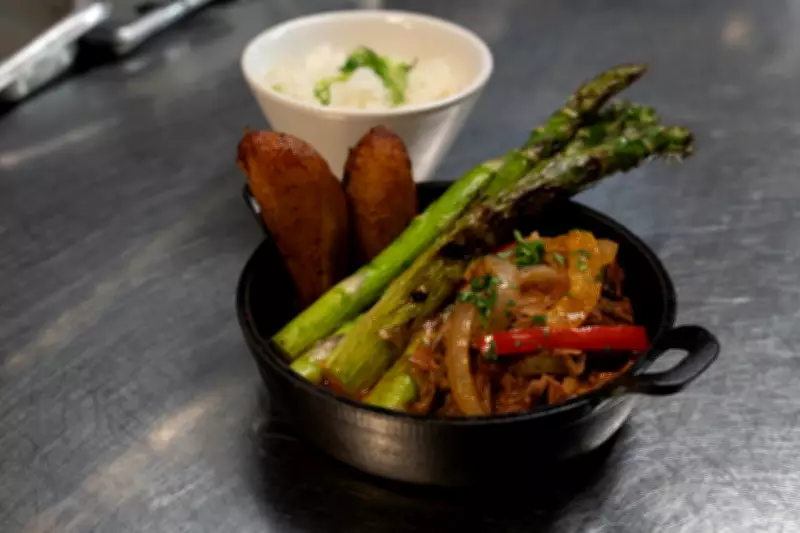
GLP-1 users typically consume less food but require nutritionally dense options that are low in fat while being rich in protein and fiber. Cuba Libre's culinary director, Angel Roque, worked with a weight-loss specialist to create five classic Cuban dishes adapted for this market. For instance, the pollo asado was reduced from nearly 1,000 calories to approximately 400 calories while maintaining strong protein and fiber content.
"We aimed to demonstrate that at Cuba Libre, individuals on these regimens can enjoy flavorful, colorful meals just like everyone else," Roque emphasized. Gutin reported that the menu has boosted business, with 10 to 20 groups weekly at each location including at least one person requesting the GLP-Wonderful options.
Major Chains Join the Movement
National restaurant chains are actively participating in this trend. Olive Garden launched its seven-item "Lighter Portions" menu nationwide in January, with GLP-1 users representing one consideration among several. Rick Cardenas, president and CEO of Olive Garden's parent company Darden Restaurants, explained that the chain also aims to attract patrons seeking healthier diets or more economical meals.
"Abundance means different things to different consumers," Cardenas remarked during an investor conference call. "We're providing choices without fundamentally altering our entire menu structure."
Other chains have followed suit: P.F. Chang's introduced medium-sized portions last autumn, The Cheesecake Factory added smaller Bites and Bowls last summer, and TGI Fridays is currently testing an "Eat Like A Kid" menu featuring reduced portions.

A Sustainable Dining Evolution
While small-plate concepts like tapas restaurants gained popularity two decades ago, menu consultant Maeve Webster believes the current trend represents a more profound, lasting transformation. Unlike previous fads, this movement isn't limited to specific cuisines and addresses broader concerns about food waste.
"This responds to a fundamental consumer need that has remained unaddressed for years as restaurant portions, particularly at chains, have grown increasingly large," Webster noted. "While taking leftovers home might seem appealing, the reality is they rarely taste as good upon reheating."
Customer Perspectives and Business Impact
During a recent visit to Shelburne, Vermont, Jack Pless was pleasantly surprised to discover the Teeny Tuesday menu at Barkeaters Restaurant, which specializes in locally sourced ingredients. As someone in his sixties with previous restaurant ownership experience, Pless appreciates smaller portions since he can no longer consume as much during meals.
"Frequently when dining out, my wife or I will bring home leftovers that languish in the refrigerator for days before becoming inedible," Pless shared.
Julie Finestone, co-owner of Barkeaters, introduced the Teeny Tuesday menu last month to increase weekday business during winter months. Despite initial concerns about profitability with lower-priced items like $12 reuben sliders, the initiative has attracted more customers than anticipated.
"Some customers have dietary restrictions, others have smaller appetites, and some simply prefer not to overindulge midweek," Finestone observed. "The concept clearly resonates with people." She expressed confidence that Teeny Tuesday would become a permanent, year-round offering, reflecting the enduring nature of this dining evolution.