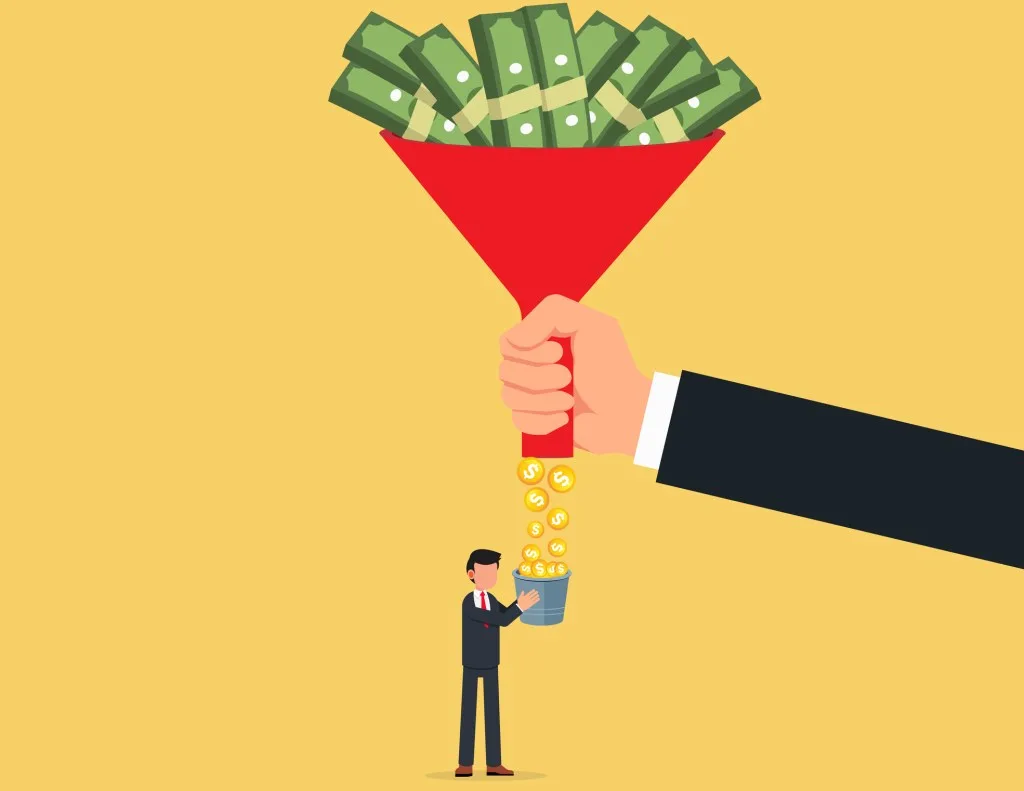
Shell has reported a decline in profits for the third consecutive year, yet its chief executive, Wael Sawan, saw his pay package surge by over 60% to nearly £14 million in 2025. This substantial increase comes at a time when the oil giant is grappling with weaker earnings and mounting concerns over rising fuel prices linked to geopolitical tensions in the Middle East.
Pay Rise Amid Profit Slump
According to Shell's annual report, Sawan's total compensation jumped from £8.6 million in 2024 to £13.8 million in 2025. The bulk of this bumper package, amounting to £11.8 million, was derived from bonuses, including a £2.7 million annual bonus and a £9.1 million share award tied to long-term business targets. His fixed salary, pensions, and benefits accounted for £1.9 million.
This pay rise occurred despite Shell posting a 22% drop in adjusted earnings, which fell to $18.5 billion (£13.6 billion) in 2025 from $23.7 billion the previous year. The decline marks the third year of falling profits since the company recorded nearly $40 billion during the 2022 energy crisis, primarily due to softer oil prices.
Backlash from Campaigners
The announcement has triggered immediate criticism from pay campaigners, who argue that such executive compensation is poorly timed given public anxieties over potential spikes in energy and fuel costs. Andrew Speke of the High Pay Centre thinktank commented, "As consumers fear another rise in energy and fuel prices, this time linked to conflict in the Middle East, few are likely to look favourably on the chief executive of Shell receiving a substantial pay rise."
Speke further noted that this increase reflects a broader trend among FTSE 100 companies, where restraint in executive pay is diminishing. He highlighted that while some in the City justify higher compensation as necessary for British firms to compete with US counterparts, there is little indication that the government plans to challenge this pattern.
Comparative Executive Pay
Sawan's package is set to rank among the highest in the FTSE 100, though it remains significantly lower than that of US oil executives. For instance, Darren Woods of ExxonMobil earned $44 million in 2024, and Mike Wirth of Chevron received $32.7 million. In the UK, last year's highest-paid FTSE 100 executives were Peter Dilnot and Simon Peckham of Melrose Industries, who collectively took home almost £59 million, largely from long-term incentive plans.
Pascal Soriot of AstraZeneca, previously the top-paid boss for two years, earned £14.7 million and was pushed to third place, though he may soon reclaim the top spot. Since taking over as CEO in 2023, Sawan has refocused Shell on fossil fuel production, contributing to a more than 30% rise in the company's share price.
Market Context and Company Response
Shell's shares have recently climbed as the conflict in Iran drove global oil prices higher, with Brent crude briefly exceeding $100 a barrel before settling around $98. A Shell spokesperson defended the CEO's pay, stating, "The CEO's pay is commensurate with his position at a major global energy company and one of the FTSE's largest companies. Around 80% of the CEO's target total package is linked to performance. Since he took over as CEO at the start of 2023, Shell has delivered strong financial and operational performance and outperformed its peers with total shareholder returns of 19% per year."
This situation underscores ongoing debates about executive compensation in the energy sector, particularly as companies navigate volatile markets and public scrutiny over affordability and sustainability.






