
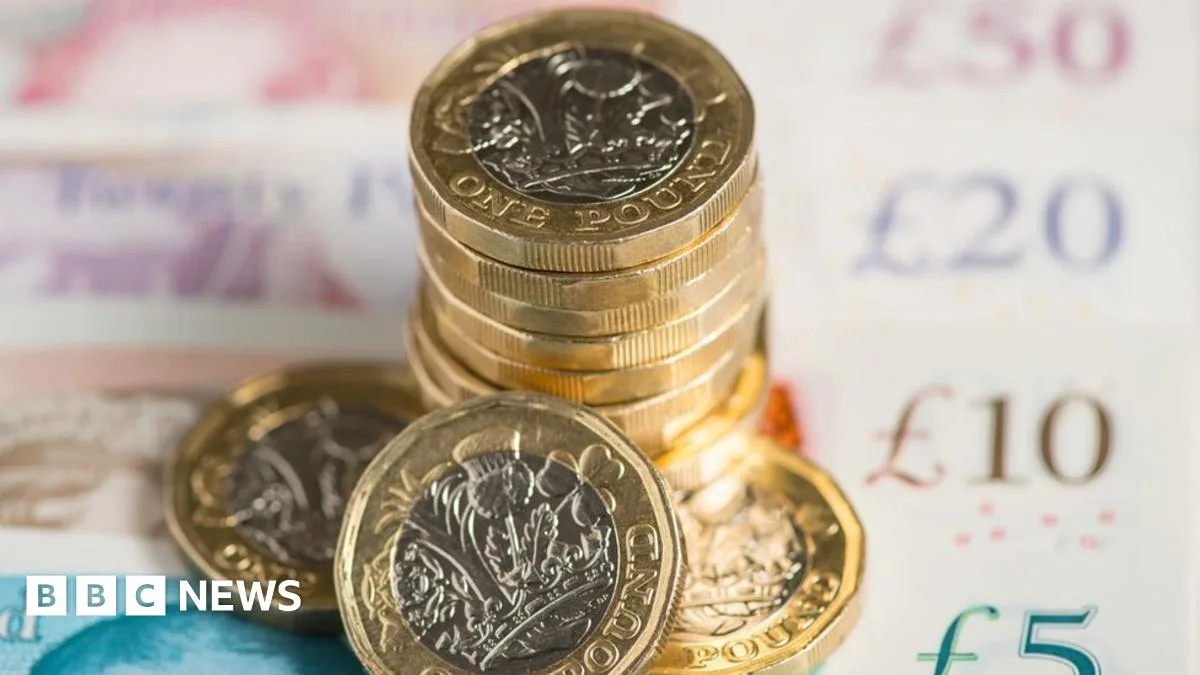
The pound has rallied to its strongest level since before last month's mini-budget, climbing 1.9 per cent to $1.149 on Tuesday as investors welcomed Rishi Sunak's appointment as prime minister. The rise reversed some of the turmoil triggered by Liz Truss's fiscal statement, which had sent sterling to a record low.
Government borrowing costs also fell, with yields on 30-year bonds dropping to 3.6 per cent and five-year yields easing to 3.7 per cent, levels last seen before the mini-budget. The moves provided an early boost for Mr Sunak, who warned in his first speech that the country faced a 'profound economic crisis' with 'difficult decisions' ahead.
Analysts attributed the pound's strength partly to a 'relief rally' after Mr Sunak's appointment and partly to a weaker US dollar, which fell following data showing slowing house price growth and declining consumer confidence. 'The dollar is losing ground across the board today,' said Jeremy Stretch, head of FX strategy at CIBC. 'But there's no doubt there's a relief rally here in terms of apparent stability.'
Mr Sunak, a former hedge fund manager, is viewed by investors as a safer pair of hands after his predecessor's tax-cutting plans sparked market chaos. He has pledged to fix the 'mistakes' of the Truss era, while Chancellor Jeremy Hunt – who retained his post – will set out a medium-term fiscal plan on 31 October. Business groups urged an end to policy flip-flopping, with Shevaun Haviland of the British Chambers of Commerce saying the 'past few months have been hugely damaging to business confidence'.
Despite the positive market reaction, economists cautioned that tough times lie ahead. 'The former chancellor has a mammoth task as he tackles the mounting economic crisis and his warring political party,' said Fiona Cincotta of CityIndex. Nomura's Jordan Rochester noted that every new leader gets a 'honeymoon period', adding: 'The question is how long will this one last for Rishi Sunak?'




