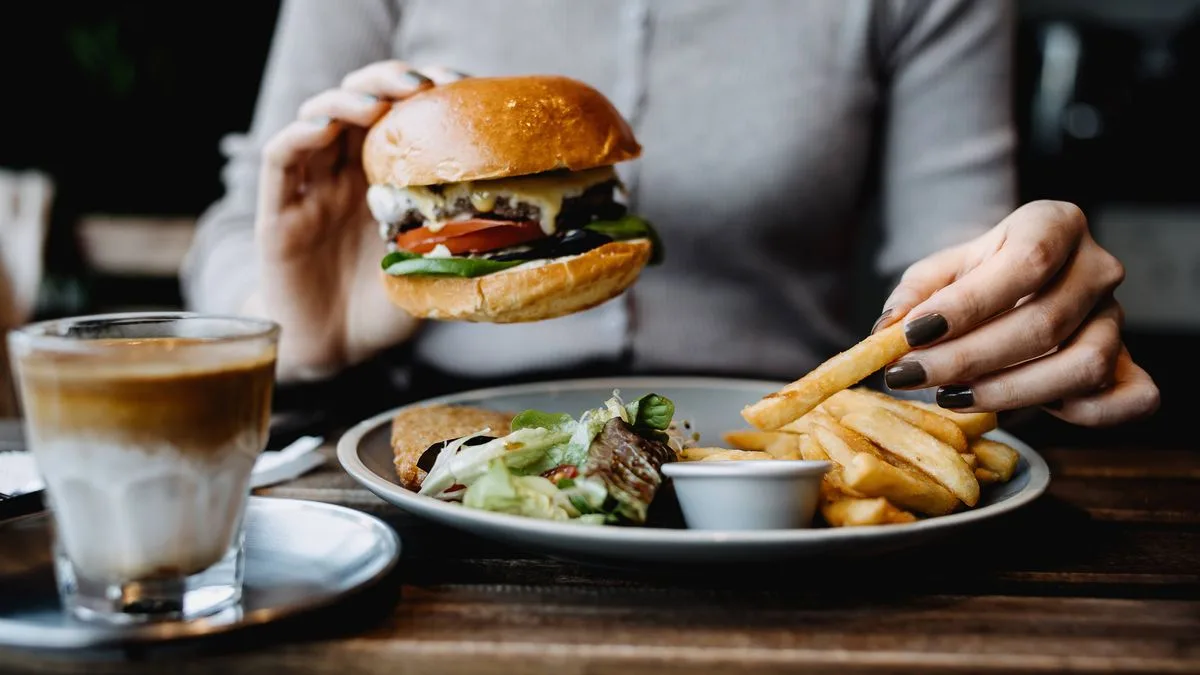
MEATliquor Burger Chain Enters Administration After 17 Years in Business
MEATliquor Enters Administration as Five London Restaurants Close

British burger giant MEATliquor has entered administration after 17 years in operation, marking a significant blow to London's dining scene. The London-based chain has officially appointed administrators, as confirmed by The Gazette, following the recent closure of five of its eight London locations.

Restaurant Closures and Remaining Outlets

The chain, operated by Meatalier, shuttered restaurants in Islington, Clapham Junction, and Queensway last month, leaving just three premises still open. These include two locations in Oxford Circus and East Dulwich, along with its sister sports bar BLOODsports in Covent Garden. At its peak, MEATliquor boasted 13 branches across the UK and one in Singapore, but has now dramatically scaled back its presence.

Economic Pressures Behind the Collapse

The administration follows mounting challenges from rising energy prices and soaring operational costs that have plagued the hospitality industry. Founder Scott Collins previously warned that the sector was facing immense pressure, citing a combination of factors including VAT, business rates, beef costs, and energy expenses.

Wide Pickt banner — collaborative shopping lists app for Telegram, phone mockup with grocery list

Collins told Restaurant Online: "On top of VAT, rates, beef and energy costs, we've now got a new war creating uncertainty and more Tube strikes to deal with. We're in the same position as a lot of others in the industry and I'm just getting ahead of things before we're forced to."

From Humble Beginnings to Restaurant Success

MEATliquor was first launched in 2009 by Yianni Papoutsis and business partner Scott Collins, beginning as a modest mobile van called the MEATwagon. The concept rapidly transformed into a thriving restaurant business across London and the South East, with its first physical store opening near Oxford Street in 2011. The chain cultivated a dedicated following among Londoners for its renowned burgers and beers over nearly two decades.

Broader Industry Context

The collapse of MEATliquor occurs within a challenging economic landscape for British businesses. In a separate development, London-based car dealership Cargiant is set to close its site in the capital on April 24 after owners failed to find a buyer. The company previously operated one of Britain's busiest used car supermarkets with over 2,000 vehicles available.

The Cargiant site covers approximately 50 acres and is estimated to be worth around £100 million, sitting adjacent to a planned HS2 interchange that will link multiple transport connections. Directors had been compelled to attempt selling the business and land in recent years, with the closure resulting from their failure to "secure a viable future for the business."

These parallel closures highlight the ongoing pressures facing various sectors of the UK economy, from hospitality to automotive retail, as businesses grapple with rising costs and uncertain market conditions.

Pickt after-article banner — collaborative shopping lists app with family illustration




