
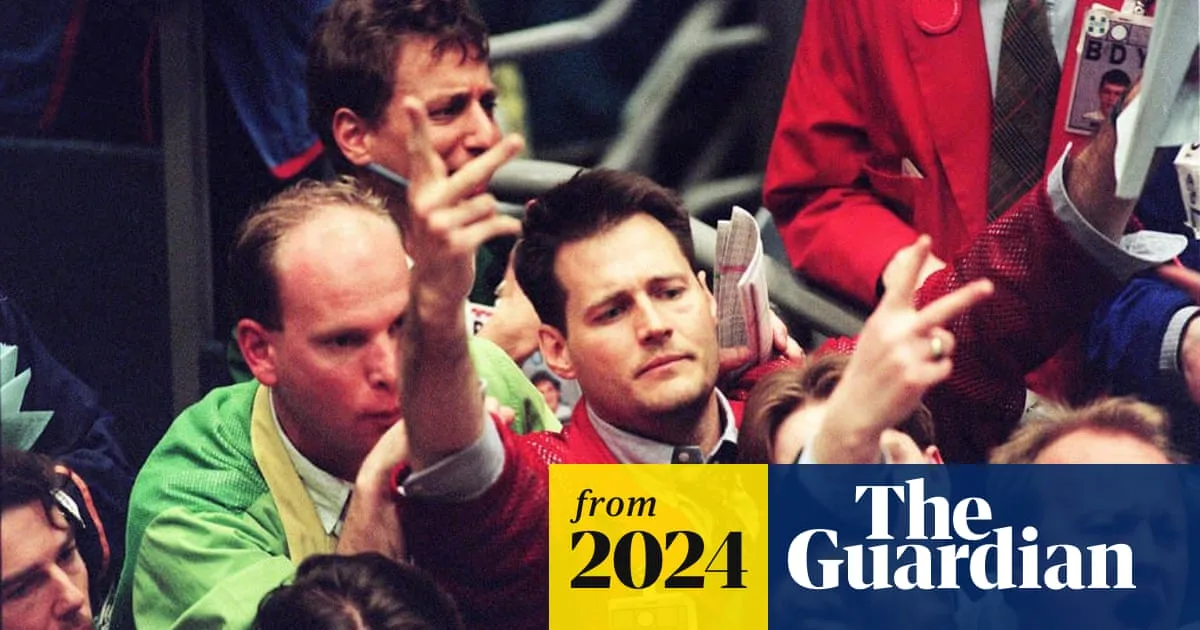
Forty years ago, the FTSE 100 was launched amid scepticism from the Financial Times, which predicted its own FT 30 index would remain dominant. However, the Footsie quickly captured the market's imagination, designed for the era of electronic trading and derivatives. Its market-cap weighting and quarterly updates made it mathematically robust and easy to replicate, while the FT 30's equal-weighting and hourly updates felt outdated.
The index's early years were marked by major events like the 1987 Black Monday crash, where its red flashing screens became a visual symbol of market turmoil. Mark Makepeace, who spent 35 years building the exchange's index business, noted that the crash captured the public's imagination. The Footsie's name itself evolved from the SE 100 to FT-SE 100 after the FT joined the project.
From its launch at 1,000 points, the FTSE 100 now stands at 7,733, though total returns including dividends show a £1,000 investment growing to £22,550, an annualised return of about 8%. Only 26 original companies remain, with many like Aviva and NatWest having been restructured. The best performance came before the dotcom peak in 1999, with only modest gains since.
Commercially, the index has been a triumph, spawning FTSE Russell, now a global index provider alongside MSCI and S&P. Its success is tied to the rise of passive investing via ETFs and index funds. David Sol, head of policy at FTSE Russell, likened indices to recipes for investing. The FT 30 still exists but is largely a historical curiosity.




