
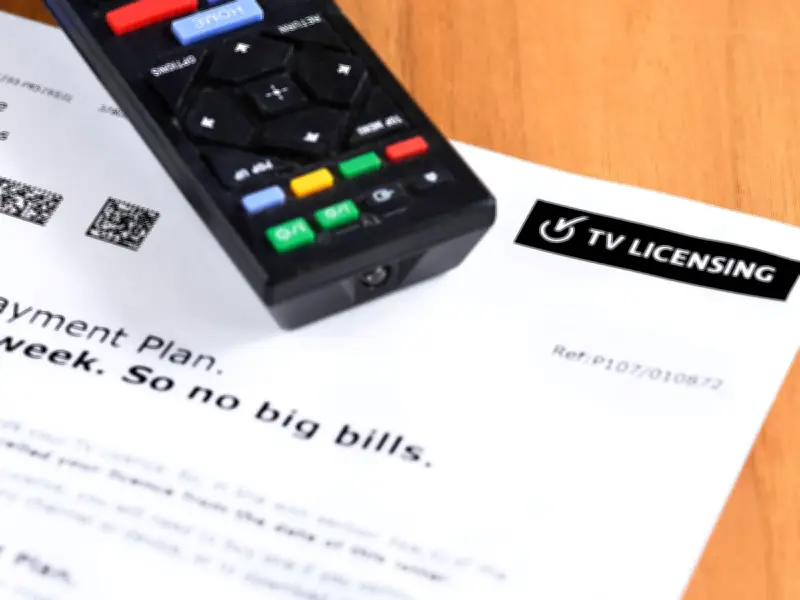
The cost of a colour TV Licence rose to £180 in April 2026, affecting millions of households across the UK. However, certain individuals can obtain a licence without paying anything. This article outlines who is eligible for a free or discounted licence and how to apply.
Who Can Get a Free TV Licence?
According to TV Licensing, a free TV Licence is available to anyone aged 75 or older who, or whose partner living at the same address, receives Pension Credit. For those already receiving Pension Credit, applications can be made from age 74. TV Licensing states: "If you already receive Pension Credit, you can apply for your free licence when you are 74 years old. We'll update your payments to cover you until your 75th birthday, and then you'll be covered by your free licence."
Additionally, individuals who are blind (severely sight impaired) and can provide appropriate evidence are eligible for a 50% concession. Once this blind concession is accepted, they can then apply for a completely free TV Licence.
How Much Does a TV Licence Cost in 2026?
A standard colour TV Licence costs £180 per year, while a black-and-white licence costs £60.50. The latest increase took effect on April 1, 2026, as part of the 2022 Licence Fee Settlement, which ties the fee to inflation. Failure to pay can result in enforcement action, including visits from licensing officers.
What Does a TV Licence Cover?
A TV Licence covers watching or recording live TV on any channel, including BBC, ITV, Channel 4, U&Dave, and international broadcasters. It also covers live streaming on platforms such as YouTube, Netflix, Amazon Prime Video, and all BBC iPlayer content, whether live or on-demand.
Criticism of the Licence Fee Model
On July 8, 2026, BBC's new director general Matt Brittin described the traditional TV licence model as "a busted flush" and "no longer fit for purpose." Speaking to MPs, Brittin said: "We can and should be doing as much as possible on [enforcing] licence fee collection under the current model, but it's yesterday's model, it's a busted flush, it's no longer fit for purpose, and that's why we need to make the case for the BBC and a shift of the licence fee model."
For more information, viewers can check whether they need a licence or if they qualify for a reduced rate through the official TV Licensing website.




