Women Forge New Path in Whiskey as Female Drinkers and Distillers Rise
A growing number of women are taking leading roles in the traditionally male-dominated U.S. whiskey industry, with more female drinkers and distillers driving significant changes. This shift is not only altering the demographic landscape but also fostering innovation and creativity in a sector long perceived as exclusive.
Breaking Barriers and Building Careers
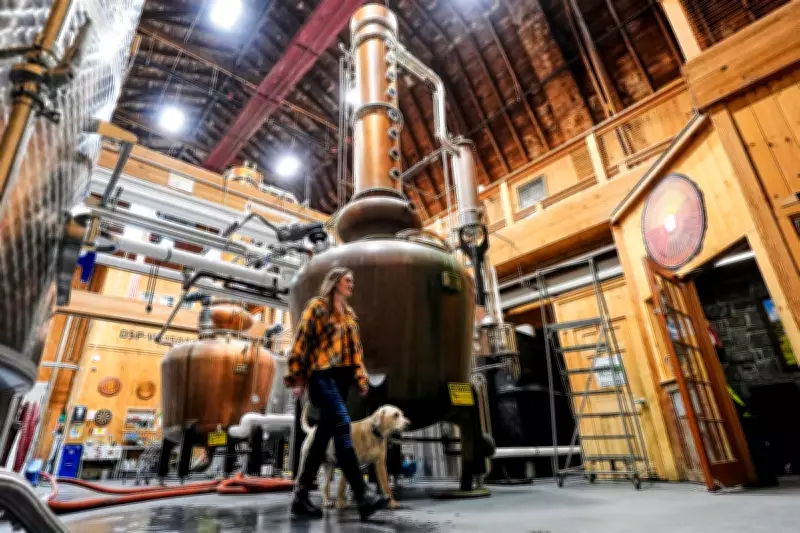
Meghan Ireland, a chemical engineering student, discovered her passion for whiskey after reading about a female master distiller. Now the chief blender at Vermont-based WhistlePig, Ireland represents a wave of women entering the field. She emphasizes that seeing someone with a similar background opened up the possibility, stating, "It was kind of like a connection of, 'hey, I can see someone who looks like me, who has the same exact kind of education and background doing this job.'" Ireland is among many women launching brands and innovating in distilling and blending, as female whiskey consumption increases.
Challenging Stereotypes and Expectations
Women in whiskey often face skepticism, with questions like "Do you even like whiskey?" from male colleagues and consumers. Becky Paskin, a U.K. journalist and founder of the OurWhiskey Foundation, encountered this while judging a tasting event. She notes, "It is a drink that comes with certain expectations around which gender drinks it and which gender makes it." Paskin works to create stock images of women consuming whiskey that avoid objectification, highlighting that past depictions often showed women as "pregnant, drunk, naked; or pregnant, drunk and naked."

Historical Contributions and Modern Transformations
Despite whiskey-making being viewed as masculine, women have historically played crucial roles. Susan Reigler, a bourbon expert, points out that the first distilling instrument was created by Maria Hebraea in the 2nd century, and distilling was once considered women's work for home brewing and medicine. In the 1800s, women like Catherine Carpenter in Kentucky recorded the first sour mash recipe, a key style in American whiskey. During Prohibition, some historians suggest there were more female bootleggers than men, as women were less likely to be searched by police.
Reigler has documented the industry's transformation since the 1990s, noting women's contributions from marketing to tourism. For instance, three women co-founded the Kentucky Bourbon Trail, including Peggy Noe Stevens, the world's first female Master Bourbon Taster. Reigler states, "There have always been women in bourbon. But a lot of them have been behind the scenes."
Driving Innovation and Inclusivity
In Vermont, Meghan Ireland oversees experimental batches at WhistlePig, with her Boss Hog VII innovation earning praise for its use of Spanish oak and Brazilian teakwood barrels. She believes more women in the industry establish whiskey as "a drink for everyone," adding, "It can be enjoyed by everyone and it's being made by females too."
Judy Hollis Jones, president and CEO of Buzzard's Roost in Kentucky, transitioned from the food industry to whiskey, often finding herself the only woman in boardrooms. She describes the industry as a "tough business" but notes a steady increase in women attending tastings and tours. Hollis Jones challenges stereotypes, saying, "I've had people say to me, 'Oh, well, you don't wear jeans, boots and a cowboy hat.' And I said: 'No, I don't. And every bourbon drinker female does not. We are very wide range of people that love bourbon.'"
This movement underscores a broader cultural shift, with women not only consuming but also shaping the future of whiskey through leadership and creativity.