

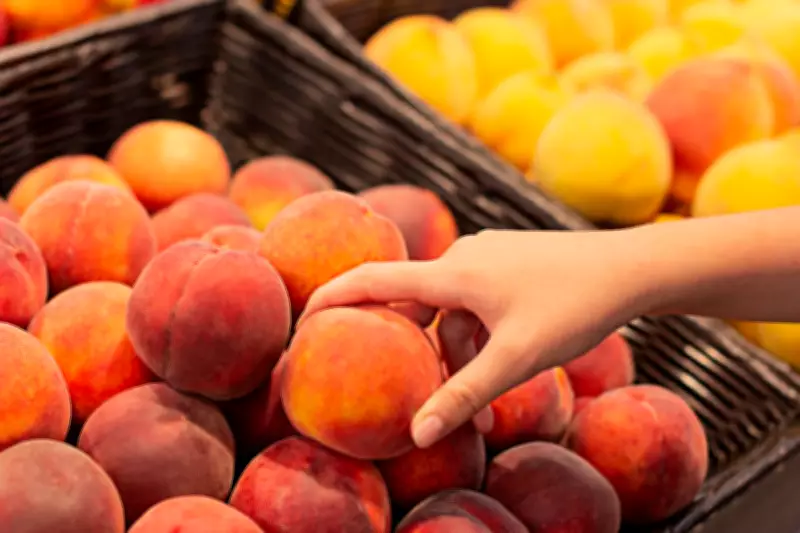
A devastating late April freeze has severely impacted the peach harvest in New Jersey, resulting in an estimated $300 million in losses. The damage has prompted Governor Mikie Sherrill to declare a state of emergency and seek federal disaster assistance. Peach farmers in the state have described the situation as catastrophic, with many facing near-total crop failure. The freeze struck during a critical stage of fruit development, destroying peach blossoms and young fruit.
Regional Impact Across the United States
The crisis is not limited to New Jersey. Peach crops in Texas and Louisiana have also suffered significant losses. In Texas, insufficient "chill hours" during the winter months disrupted the natural growth cycle, while Louisiana experienced a late March freeze that damaged developing fruit. These events have compounded the challenges for growers in the region.
California's Unique Crisis
California's peach industry is confronting a different but equally severe problem. Approximately 420,000 clingstone peach trees are slated for destruction following the closure of Del Monte canneries, which were major buyers of their produce. This development has added to the overall supply concerns, as California is a key producer of peaches for the nation.

Economic Consequences for Consumers
The widespread crop failures across New Jersey, Texas, Louisiana, and California are expected to lead to higher peach prices for consumers. With supply significantly reduced, the market is likely to see increased costs at grocery stores and farmers' markets. Farmers and industry experts warn that the full impact may be felt in the coming months as the harvest season progresses.
In summary, the combination of late freezes, insufficient chill hours, and cannery closures has created a perfect storm for the US peach industry. Consumers should prepare for higher prices and potentially limited availability of domestically grown peaches this year.






