Nissan Unveils Ambitious Turnaround Strategy Focused on AI and Efficiency
Nissan has revealed a comprehensive turnaround plan that hinges on the integration of artificial intelligence into its vehicles, alongside significant operational restructuring. The Japanese carmaker announced it will equip 90% of its future models with self-driving capabilities while reducing its lineup from 56 to 45 models to streamline investment and enhance profitability.
Strategic Shift Under New Leadership
Ivan Espinosa, Nissan's chief executive, outlined the vision at an event in Yokohama, Japan, emphasizing the company's pivot towards AI-defined vehicles. This move comes after years of turmoil under previous management, with Espinosa implementing a cost-cutting programme that includes seven factory closures and 20,000 job losses since he took over last year.
Espinosa highlighted the structural challenges facing Nissan, stating, "Our performance pressures emerge from structural challenges compounding over time. Our portfolio aged faster than the market, costs rose faster than volumes, fixed costs and complexity remain high, even as scale declines."

Challenges in the Electric Vehicle Market
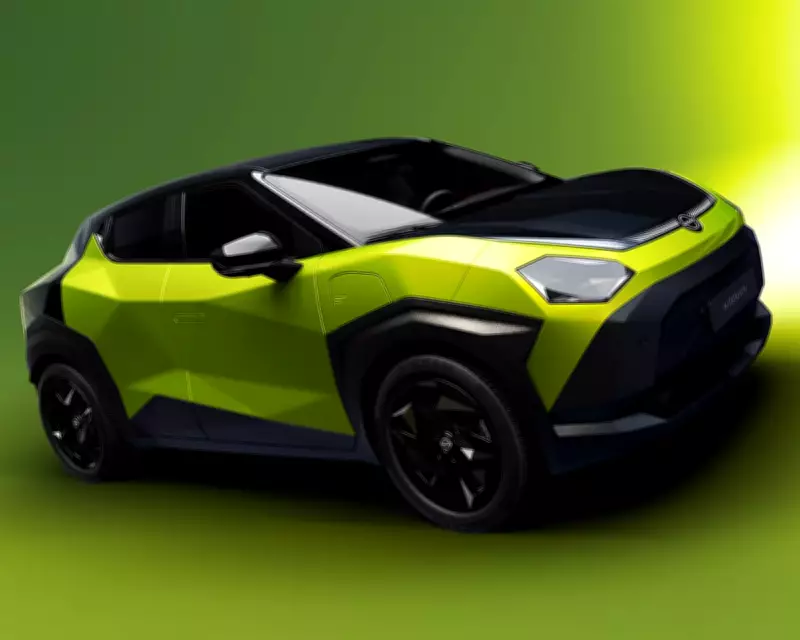
Nissan, like other traditional carmakers, has struggled to keep pace with the rapid evolution of battery electric technologies. Mid-sized Japanese manufacturers, in particular, have fallen behind Chinese competitors, who now lead global electric car production. In response, Nissan introduced its new battery electric Juke, a crossover SUV to be manufactured in Sunderland, England, as part of its electrification strategy in Europe.
However, the company reaffirmed its commitment to hybrid vehicles, especially in key markets such as Japan, the US, and China. A new hybrid Rogue SUV, known as the X-Trail in some regions, is targeted at the US market, where incentives for electric cars have been reduced under recent policies.
Autonomous Driving and Growth Targets
The rollout of self-driving technologies is central to Nissan's goal of increasing annual sales by 550,000 in Japan by 2030 and reaching 1 million each in the US and China. This initiative is expected to benefit Wayve, a British AI startup that partnered with Nissan a year ago, marking a significant step in the carmaker's technological advancement.
Masahiro Akita, an analyst at Bernstein, commented on the plan, saying, "The plans were reasonable, but amid ongoing macro uncertainty, it remains unclear whether Nissan can deliver sustained top-line growth and achieve a genuine turnaround."
Industry Context and Future Outlook
Nissan's strategy reflects broader trends in the automotive industry, where manufacturers are grappling with the dual pressures of electrification and digital transformation. By focusing on AI and autonomous features, Nissan aims to differentiate itself in a competitive market while addressing past inefficiencies.
The company's efforts to cut models and invest in profitable segments underscore a shift towards sustainability and innovation, though challenges remain in executing this ambitious vision amidst global economic uncertainties.