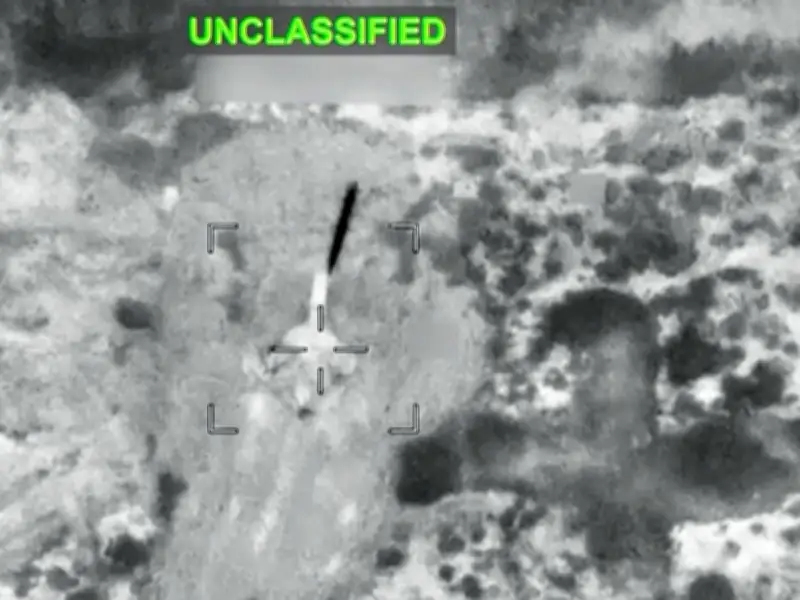
President Donald Trump has declared that the United States is 'reinstating' a blockade in the Strait of Hormuz and will charge ships for safe passage through the vital waterway. The announcement comes amid a dramatic escalation in hostilities between the US and Iran, with both sides exchanging missile strikes that have shattered a fragile memorandum of understanding signed last month.
US Announces 'Takeover' of Strait
Speaking on Monday, Trump stated: 'We're taking over the strait,' referring to the disputed waterway between Iran and Oman. He added that the US would 'keep the strait' and 'probably run it,' positioning the nation as the 'guardian angel of the strait' and insisting that Washington 'should be reimbursed for that.' The president did not specify who would be charged or how the system would operate.
In response, Iran's Islamic Revolutionary Guard Corps (IRGC) rejected the claim, asserting that 'the Strait of Hormuz is our territory' and vowing not to allow any country to 'continue its illegal interference in it.'

Missile Strikes Shatter Ceasefire
The US blockade declaration follows a series of retaliatory strikes. Iranian missile teams targeted US military sites in Bahrain, Kuwait, Oman, and Jordan in response to a third round of US attacks. American forces escalated with more than 140 precision strikes, effectively ending the interim ceasefire agreement reached last month.
Esmail Baghaei, Iran’s foreign ministry spokesman, warned that Tehran would stop complying with the peace deal if Washington failed to honor its commitments. 'Each time that the other party has failed to meet its obligations, we did not uphold ours... We will continue to act in this manner,' he said, adding that the memorandum of understanding had entered a 'crisis stage.'
International Condemnation and Impact on Shipping
Foreign ministers from the UK, Germany, and France—collectively known as the 'E3'—condemned Iran's attacks on commercial shipping. In a joint statement, they said: 'We condemn Iran’s heinous attacks on merchant shipping in the Strait of Hormuz and on countries in the region, including Qatar, Kuwait, Oman and Jordan.' The group called for the restoration of the ceasefire and a resumption of negotiations.
US strikes hit Iranian targets on the island of Qeshm and the port town of Bandar Abbas, which is believed to house military installations. Iran reportedly used various missile systems in its retaliatory strikes, including liquid-propelled ballistic missiles that are difficult to intercept.
Strait of Hormuz: A Critical Maritime Chokepoint
The Strait of Hormuz is a key maritime artery through which nearly 20 percent of the world’s oil and natural gas flowed before the war. The number of ships passing through the strait has fallen to its lowest level in five weeks, amid conflicting claims: Trump insists it is open, while Tehran maintains it is closed. There are reports that the IRGC is deploying more mines, this time on the Omani side of the strait, as both sides entrench for a long-term conflict.
The memorandum of understanding signed last month was intended to serve as a springboard for future negotiations to end the war that began on February 28. However, the status of the Strait of Hormuz remains the most contentious issue, with no resolution in sight.