Saudi Arabia's Public Investment Fund (PIF) has confirmed it will cease funding LIV Golf after the 2026 season, ending a financial commitment that has exceeded $5bn since 2021. The decision, announced on Thursday, leaves the breakaway circuit scrambling to secure alternative investment to survive beyond next year.
In a statement, the PIF said: 'PIF has made the decision to fund LIV Golf only for the remainder of the 2026 season. The substantial investment required by LIV Golf over a longer term is no longer consistent with the current phase of PIF’s investment strategy.' The fund cited shifting investment priorities and macro dynamics, with the order reportedly coming directly from Crown Prince Mohammed bin Salman, partly influenced by the impact of the Iran war.
LIV had already appointed new board members, Gene Davis and Jon Zinman, tasked with raising finance. Davis said: 'The executive leadership team, along with Jon and I, see a clear opportunity to help the league formalise its structure, attract and secure long-term capital, and position the business for growth.' However, the abrupt change caught executives off-guard, with CEO Scott O'Neil hired in early 2025 to grow the business rather than source external funding.

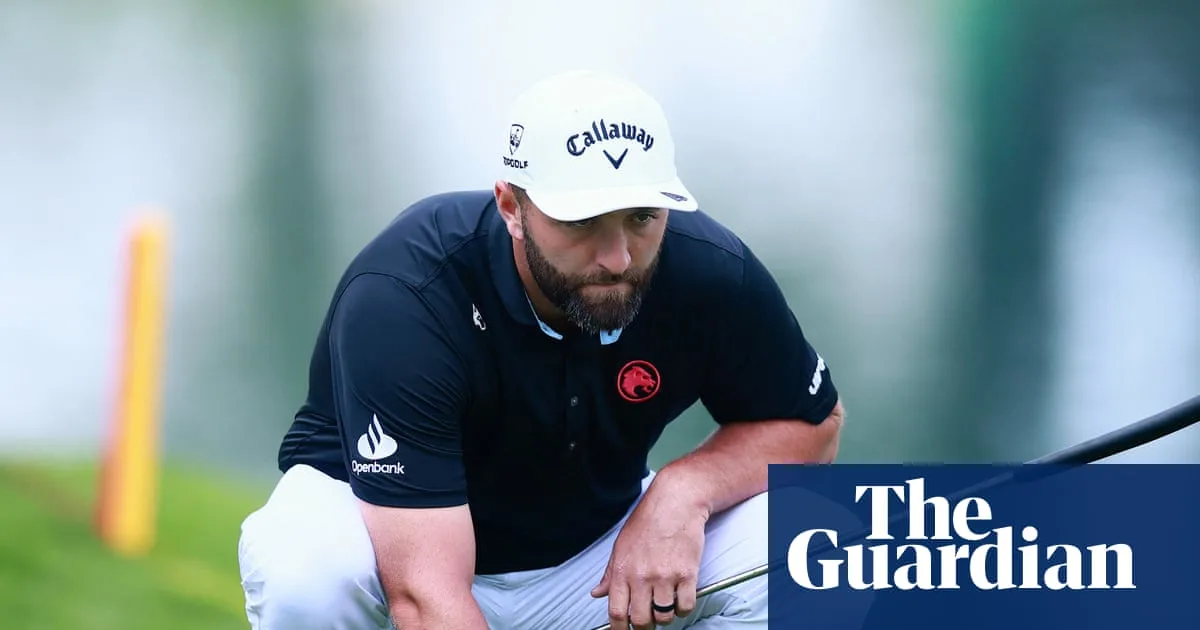
The best-case scenario for LIV is now seen as a significantly reduced schedule and prize funds, down from the current 14 tournaments and $30m purses. Top players including Jon Rahm, Bryson DeChambeau and Cameron Smith are contracted to LIV, but may seek paths back to other tours. The PGA Tour, having won its battle against the disruptor, is expected to drive a harder bargain for returning players.
The financial impact extends beyond LIV, with PGA Tour prize funds inflated to counter the threat now under scrutiny. Former Ryder Cup captain Paul McGinley noted: 'Tours [are] now left with huge overheads, driven by LIV and then used as leverage against them.' The DP World Tour, which has allowed LIV players to compete, may further integrate them, though its strategic alliance with the PGA Tour complicates matters.