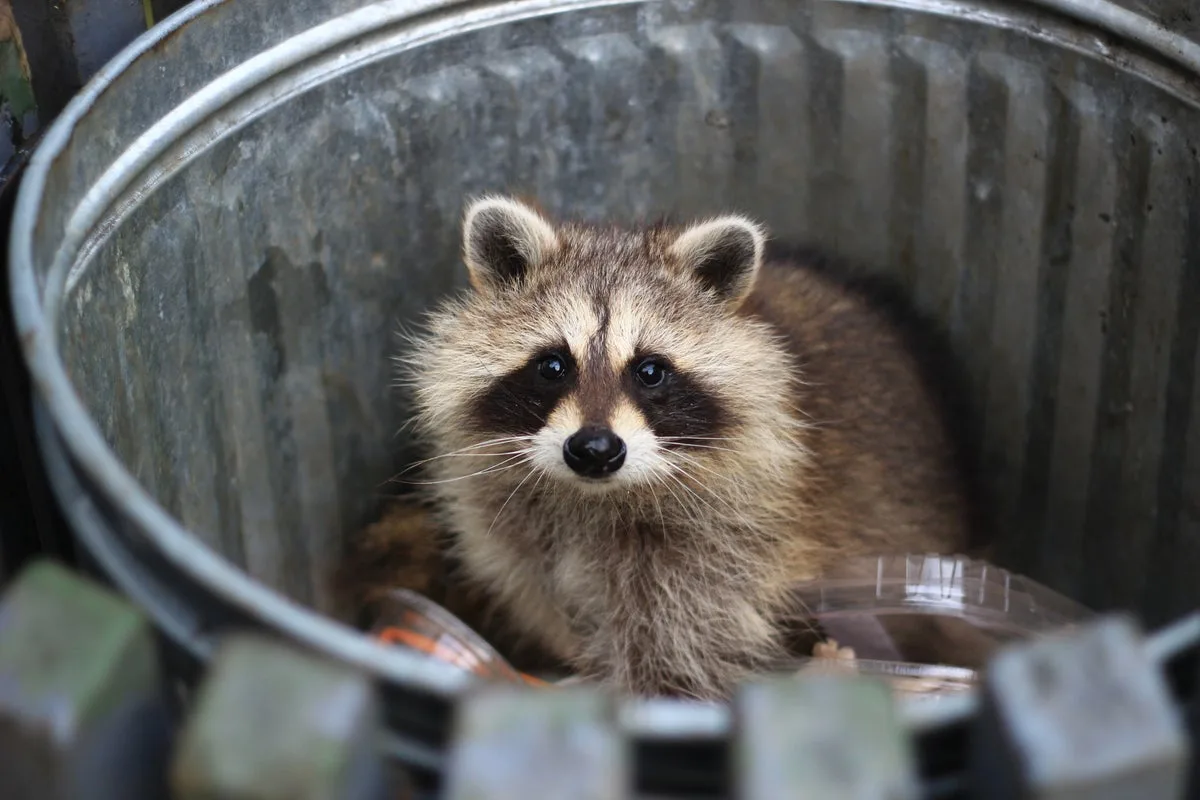
Recent incidents in the United States have highlighted the complexities businesses face when dealing with raccoon damage. In one case, a raccoon fell from a ceiling in a Wisconsin restaurant and bit a diner; in another, a raccoon broke into a Virginia liquor store, stole alcohol, and passed out. As these events prompt insurance claims, experts say the outcome depends on key factors.
Franklin Manchester, principal global insurance advisor at analytics firm SAS, explained that the first question is whether the raccoon was a wild animal or a pet. If it was wild, the business would likely need to file a claim under its commercial general liability policy. However, coverage is not guaranteed due to the principle of 'known issue' – if the business was aware of vulnerabilities such as unsealed entry points, the insurer might deny the claim.
Insurers will investigate to determine if there is evidence of an infestation or obvious entry points. If entry points were secured and there was no known infestation, the insurer may still deny the loss under a 'known issue' exclusion if the business knew about the raccoon's presence. Additionally, communicable diseases such as rabies are typically excluded from coverage, so a customer bitten and infected may not have their medical costs covered.
If damage forces a business to shut down, business interruption insurance may compensate for lost revenue, lease payments, taxes, and payroll. However, if the raccoon was someone's pet, the pet owner's personal liability insurance – not the business policy – would handle the claim. Insurers might argue that raccoons are exotic pets, potentially excluding coverage altogether.