Mount Everest guides have been accused of secretly drugging foreign climbers to trigger expensive aerial evacuations as part of a $20m (£15m) insurance fraud scheme, according to an investigation by Nepali police.
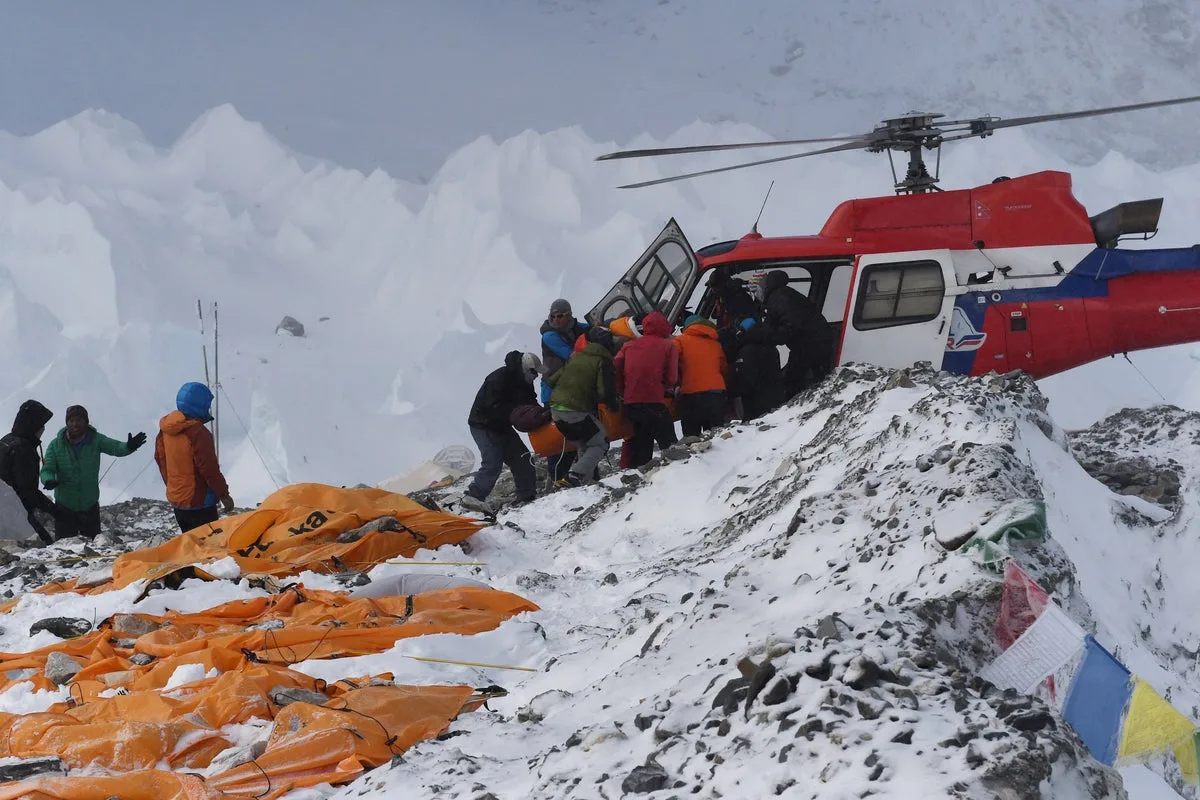
Operators of mountain rescue companies in Nepal have been arrested, with a police spokesperson telling The Independent that 32 people have been charged and 11 arrests made so far. The scam appears to have affected 4,782 international climbers between 2022 and 2025, with more than 300 cases of alleged fake rescues uncovered, totalling nearly $20m in bills charged to climbers and insurers.
Investigators say guides used methods including lacing food with baking powder to simulate altitude sickness, and administering medications with excessive water to trigger symptoms. After trekkers reported nausea or dizziness, they were advised to descend and agree to costly helicopter evacuations. Operators then forged medical and flight documents to claim costs from international travel insurers.
The scandal has led to new scrutiny over tour operators as this year's spring climbing season began on 30 March. Six operators and managers from rescue companies were arrested on 25 January for allegedly claiming insurance money by faking rescues. The Nepal Police's Central Investigation Bureau said the offences had harmed 'Nepal's national pride, prestige and dignity internationally'.
This is not the first time a fake rescue network has been exposed; a 2018 investigation by the Kathmandu Post prompted a government report and promises of reforms. However, scams continued, with CIB chief Manoj Kumar KC attributing this to 'lax punitive action'. Travel insurance companies have previously threatened to remove Nepal coverage if the scams persisted.
Simon Calder, travel correspondent of The Independent, said: 'Anyone who has been lucky enough to visit Nepal... will be shocked to learn of this scam – which we first revealed in 2019. The vast majority of people and organisations involved in tourism in Nepal are honest.' The Independent has contacted the Nepal Tourism Board for comment.