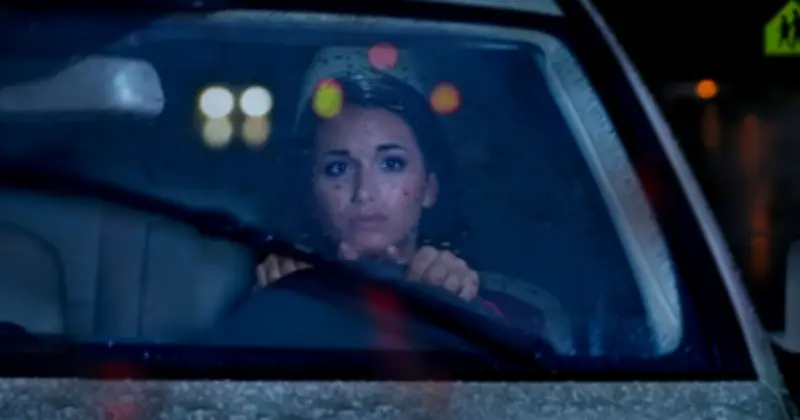
The AA has issued an urgent warning to UK drivers to “take extra care” from this weekend onwards as the clocks go back, bringing darker evenings and more challenging road conditions. The advice comes ahead of the clock change on Sunday, October 25, with motorists urged to adapt their driving as journeys once made in daylight increasingly take place in darkness.
AA Accident Assist recorded a 7.8% increase in claims immediately after the clocks went back last year. The number of AA members making a claim rose from 2,949 during the two weeks before the October 2025 clock change to 3,178 in the following fortnight.
Autumn Visibility Concerns
Visibility becomes a particular problem in autumn. Previous AA research involving more than 10,500 drivers found that 50% said they had difficulty seeing pedestrians and cyclists in certain conditions at this time of year. More than half (52%) said other drivers were not using their lights properly, while 40% said they regularly saw vehicles with defective lights. Another 40% said they disliked driving during darker mornings and evenings.
Darkness is not the only issue. Dazzle from the low autumn sun was the biggest seasonal driving frustration, cited by 73% of motorists questioned.
AA Advice and Tips
Tim Rankin, managing director of AA Accident Assist, said: “An 8% increase in claims after the clocks went back last year is a timely reminder that drivers need to adapt as autumn takes hold.
“The clocks changing can mean a sudden difference to our regular journeys. A commute home that was made in daylight just a few weeks ago can suddenly be made in darkness, while autumn can also bring low sun, rain, slippery roads and poor visibility.
“Drivers need to adapt to what they can see. If visibility is poor, slow down and give yourself more time and space to react. Take extra care around pedestrians and cyclists, particularly at junctions, crossings and on residential roads, where they may be harder to spot in darker conditions.
“Our research shows just how challenging visibility can be at this time of year. Simple changes can make a difference such as ensuring your lights are working and keeping your windscreen clean inside and out. Reducing your speed and leaving more space between yourself and others can also make a big difference.
“If a collision does happen, safety comes first. Stop, switch off your engine, use your hazard lights and check for injuries. Exchange the necessary details with anyone else involved and, when it is safe to do so, take photographs of the vehicles and scene to help provide a record of what happened.”
Five Tips for Darker Journeys
The AA has issued five tips to help motorists deal with darker autumn journeys. Drivers are advised to adjust their speed so they can stop safely within the distance they can see ahead. Darkness, rain, fog and glare can all make hazards more difficult to spot, so motorists should pay particular attention to pedestrians and cyclists around junctions, crossings, schools and residential roads, allowing more time to react.
Keeping a clear view is also important. The AA recommends cleaning windscreens inside and out, checking wiper blades and keeping screenwash topped up. Sunglasses can also be kept in the car to help deal with the low autumn sun.
Drivers should check their headlights, brake lights and indicators and make sure they are using their lights appropriately for the conditions. Finally, motorists should leave more room between themselves and the vehicle ahead when visibility worsens or when roads become wet, as wet surfaces increase stopping distances.
Anyone involved in a collision must stop. The AA advises drivers to switch off their engine, use their hazard lights, check for injuries and contact the emergency services when necessary. Those involved should exchange the required details and record as much information about the incident as possible. If it is safe, photographs of the vehicles, their positions and the surrounding road can also provide a useful record of what happened.