UK inflation is expected to surge back up when official figures are released on Wednesday, driven by higher energy prices and concerns that summer heatwaves could push up food costs. Most experts forecast the Consumer Prices Index (CPI) will rise to 2.9% in July, up from a 15-month low of 2.6% in June and the highest rate since March.
Energy price cap impact
The rise follows a 13% hike in Ofgem’s energy price cap last month, which increased the average gas and electricity bill by £221 to £1,862 a year. The Government’s Great British Summer Savings Scheme, which cuts prices on family attractions and children’s meals via a VAT reduction until September, may have helped but not enough to prevent inflation moving further away from the Bank of England’s 2% target.
Investec economist Ellie Henderson said the energy price cap rise alone will add 0.5 percentage points to inflation for July. She said: “It was already clear at the publication of the June print that any easing in inflationary pressures as per the headline measure wouldn’t last for long, with the July increase to the Ofgem energy price cap likely to erase any progress towards the Bank of England’s 2% target.”
Further pressures ahead
There are concerns that inflation will keep rising as the Iran war could send energy costs even higher over winter, and as hot weather damages crops and puts food costs under pressure. Ofgem will announce the next price cap level for October to December on August 26.
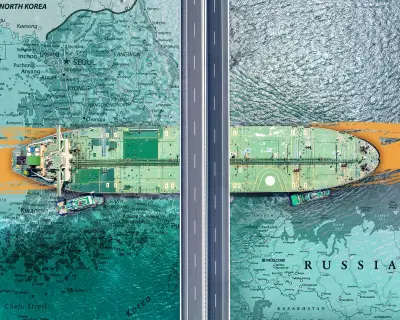
Victoria Scholar, head of investment at Interactive Investor, forecasts inflation pain to come, which could force the Bank of England to raise interest rates from 3.75% to 4% by the end of the year. She said: “Inflation is expected to continue to rise, peaking above 3% later this year, as the UK economy continues to grapple with the backdrop of elevated energy prices and the effective gridlock in the Strait of Hormuz.”
Food inflation worries
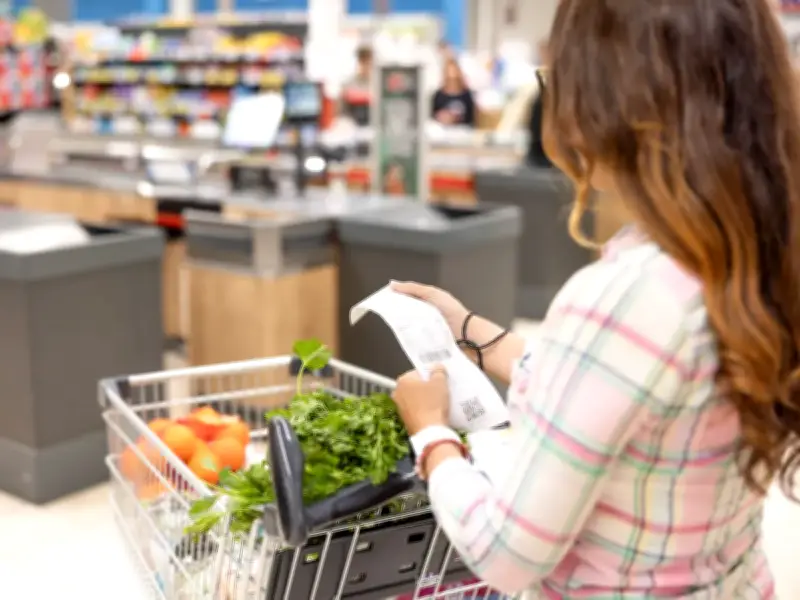
There are also concerns over food inflation, with producers warning earlier this week that soaring temperatures and droughts across the UK and Europe are set to drive prices higher. The Food and Drink Federation said “fruit, vegetable and grain supply” are being hit by recent heatwaves, with crop shortages set to feed into supermarket prices. Economists from the trade group suggested this will put upward pressure on food inflation going into 2027.
The Office for National Statistics’ data for Retail Prices Index inflation in July will also be watched closely, as the July rate is used to calculate next year’s train fare increase. Last November, the then-chancellor Rachel Reeves announced that rail fares in England would be frozen in 2026 – the first such freeze for 30 years – but it is unclear if the Government will extend this for a second year.