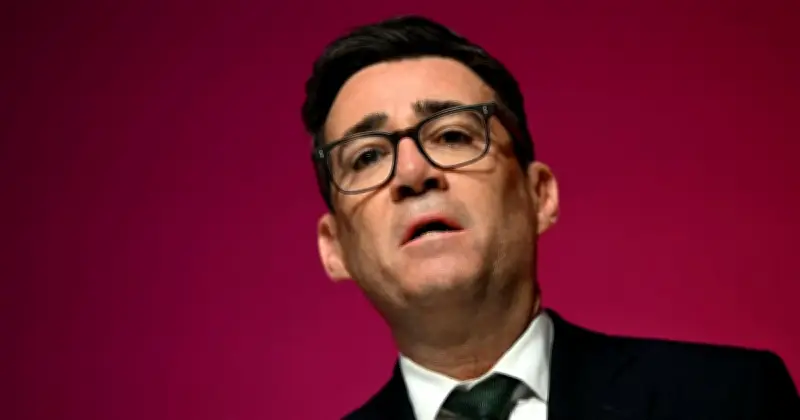
UK households fear Andy Burnham will introduce further changes to pensions, an expert has warned. It comes as Brits endure huge taxes and billionaires flee the UK.
An analysis of Bloomberg’s Billionaires Index found that residents worth a combined £121billion have either left or loosened ties with the country since Labour came to power in 2024.
Pension and tax changes
In November 2025, the Government announced it would be changing how salary sacrifice for pension contributions works. From April 2029, the amount that is exempt from National Insurance contributions (NICs) will be capped at £2,000 a year for employee contributions made via salary sacrifice. This is when you agree to reduce your gross salary or sacrifice a bonus, and your employer pays the same amount into your pension in return.
In addition, the ministers have said unused defined contribution pension funds and death benefits will be brought into the scope of Inheritance Tax (IHT) starting from April 6, 2027. The 25% tax-free lump sum cap remains at £268,275.
Now, the Prime Minister has been warned that Britons are concerned about what could come next as John Healey is set to deliver his first Budget later this month.
Expert warning on tax policy
Mike Stimpson, partner at wealth management firm Saltus, told the Express: “If Britain makes itself too expensive for the wealthy, it risks taxing them out of the country and taking their tax contributions with them. The latest figures, which show that £121billion of billionaire wealth has left the UK over the past two years, should be of concern — there is a point at which policy designed to raise revenue can ultimately shrink the tax base.
“Our latest Saltus Wealth Index Report — the UK’s only barometer of high net worth individuals’ confidence in the UK economy and prospects for their own wealth — shows that 40% of HNWIs already see tax changes as a key threat to their wealth, while two thirds (67%) are worried about a potential 10% tax on estates and 62% are worried annual wealth tax. Other primary concerns are the potential for further changes to Inheritance Tax (67%), pensions (70%) — including fears that Andy Burnham will remove the tax-free lump sum — and ISAs (66%).
“If the UK becomes increasingly unattractive as a place to live, invest and build wealth, more wealthy individuals may look elsewhere. It is vital to consider the wider behavioural impact of tax policy.
“Raising revenue isn't simply about how much you charge — it is also about keeping the people and capital that generate, and grow, that revenue in the UK going forward.”
Political responses
Conservative Party leader Kemi Badenoch vowed today to scrap inheritance tax on family homes and raise the threshold for death duties to £500,000 if the Tories won the next election. She said that the next general election will be a “battle for the soul of the nation”, as she promised her party would focus on letting people “keep more of what they earn” if it returned to power.
Mr Burnham has said he will not need to raise taxes to fund his planned National Care Service, despite suggestions his plan to tweak how much pensions rise by will not be enough. The Prime Minister said the adjustment to the triple lock would be sufficient if the care system is progressively introduced. He announced during his conference speech that he would end the policy which guarantees increases to the state pension in line with inflation, earnings or 2.5%, according to whichever measure is highest. Instead it could rise in some years in “relative” value to earnings. It is hoped the measure will generate about £15 billion a year by the end of the 2030s.