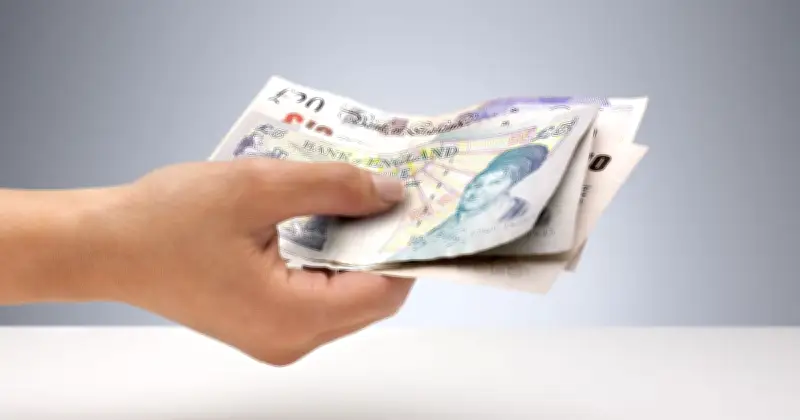
Younger state pensioners, specifically those under 77, are set to receive two full DWP state pension payments in November 2026, with a combined maximum of £1,930.40 for those with a full National Insurance record.
Individuals who retired after April 2016 are eligible for up to £241.30 per week in their basic state pension, assuming they have a complete National Insurance record. This amount is scheduled to increase in April 2027. Since those qualifying for a state pension in April 2016 would have been aged no older than 66, new state pensioners will be under age 77, depending on their birthday.
Why Two Payments in November
Both older and newer state pensioners can receive two state pension payments in November due to the structure of the long five-week month. Although state pension figures are often reported as weekly amounts, DWP state pension payments are actually made every four weeks.
For each four-week period, new state pensioners with a maximised National Insurance record can receive up to £965.20 from their basic rate state pension. The exact payment date depends on the last two digits of an individual's National Insurance number.
Monday Payment Schedule
According to the DWP, those whose National Insurance number ends in digits between 00 and 19 are normally paid on Mondays. November 2026 has five Mondays (November 2, 9, 16, 23, and 30), so younger state pensioners with these National Insurance numbers will receive their state pension twice that month, totalling a maximum of £1,930.40 from standard rate payments, assuming a full National Insurance record.
Those with incomplete records will see lower total payments, depending on how far off the full record they are. The DWP calculates this on a case-by-case basis when an individual first reaches state pension age.
Tax Implications
The annual sum of standard rate state pension payments with a full National Insurance record for a younger state pensioner is £12,547. The extra payment is not additional money but a timing adjustment, resulting in two of the 13 total annual payments falling in the same calendar month.
This amount remains below the Income Tax threshold, though any other income, such as savings interest, work, or letting a property, could push an individual into owing tax to HMRC. From next year, a Pensions Tax Allowance will allow state pensioners to raise their total tax-free take-home to £13,037.