Self-Assessment Tax Deadline Approaches: Last-Minute Strategies to Reduce Your Bill
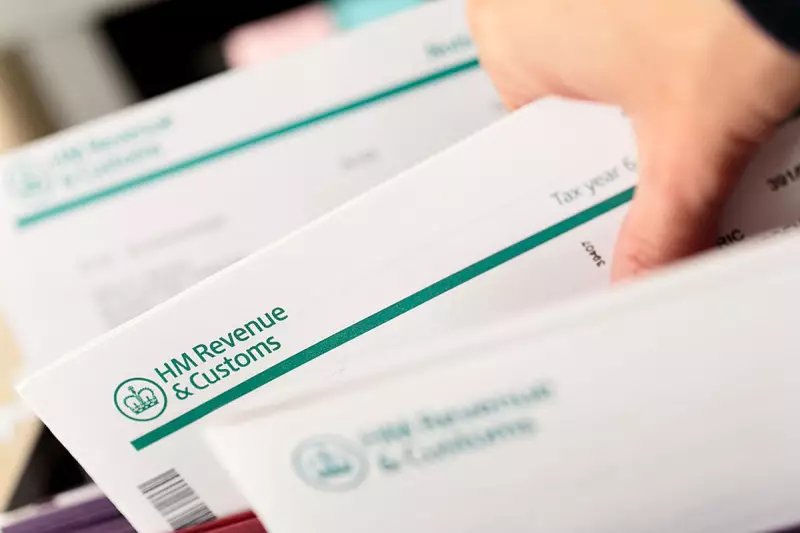
The critical date for millions of taxpayers across the United Kingdom is fast approaching. By 31 January 2026, all online self-assessment tax returns must be filed and any outstanding tax paid to HM Revenue and Customs (HMRC).
With just days remaining, HMRC reports that over three million tax forms are still outstanding. Failure to meet this deadline can result in an immediate £100 fine, making timely submission imperative. However, beyond simply paying what is owed, there remains a crucial opportunity to legitimately reduce your tax liability through various reliefs and allowances.
Who Must File a Self-Assessment Return?
Self-assessment primarily affects individuals with untaxed earnings not processed through the PAYE system. If your income is solely from a regular salary, your taxes are typically deducted automatically. However, if you are self-employed, a sole trader, or operate a limited company, you are responsible for declaring your income and expenses.

This process also applies to those with income from property rental, asset sales, or dividend payments. The current filing period covers earnings from the 2024/2025 tax year (6 April 2024 to 5 April 2025). High earners should also be aware of potential charges like the high income child benefit charge, and savers may face tax on interest exceeding £1,000 for basic rate taxpayers or £500 for higher earners.
Maximising Work-Related Allowances
One of the most effective last-minute strategies is to ensure you claim all eligible work expenses. If your employment requires you to work from home, you may claim a home working allowance of £6 per week to cover additional costs like broadband and electricity. Alternatively, you can claim the exact amount spent, though consulting an accountant is advisable for clarity.
Other claimable expenses include professional fees, membership subscriptions, necessary work clothing, and business travel. Sarah Coles, Head of Personal Finance at Hargreaves Lansdown, advises taxpayers to gather all receipts and invoices and cross-reference with the government's official list to avoid missing any deductions.
"It's a big job, so make sure you cut any corners you can," says Coles. "If you work from home or use your own car for work and don't have time to calculate your actual usage, instead of working out your expenses, you can use flat rates for both."
Leveraging Charitable Donations for Tax Relief
Charitable giving can provide significant tax benefits, especially for higher rate taxpayers. When you donate to a registered charity and claim Gift Aid, the charity can claim an extra 25p for every £1 you give. Higher rate taxpayers can then claim back the difference between the tax rate they pay and the basic rate relief claimed by the charity.
For example, a £100 donation becomes £125 with Gift Aid. A 40% taxpayer can personally claim back £25. Laith Khalaf, Head of Investment Analysis at AJ Bell, notes that charitable donations can be carried back one tax year if recorded in the forthcoming January return.
"If you're a higher or additional rate taxpayer this could trigger a tax rebate which would be set against any tax you owe," Khalaf explains.
Utilising Pension Tax Relief Effectively
Pension contributions represent one of the most powerful tools for reducing your tax bill. Contributions earn tax relief, effectively a government top-up to repay the tax you would have paid on that income. While the 20% basic rate relief is applied automatically, higher rate taxpayers often need to claim the additional 20% relief through their self-assessment return.
Research by PensionBee indicates that hundreds of thousands of taxpayers fail to do this, potentially missing out on £250 million per year in unclaimed relief. Joshua Gerstler, a Wealth Manager at The Orchard Practice, illustrates the impact: a higher rate taxpayer contributing £48,000 net into a pension receives a £12,000 government top-up, plus a £12,000 reduction in their tax bill.

"So as well as looking after your future self by putting money into your pension, the £60,000 contribution has only cost you £36,000," Gerstler states. "Just remember that the tax relief relates to when you make the contribution, not when you file your tax return. So if you make a contribution today it will reduce next year's tax bill."
Dean Butler, Managing Director for Retail Direct at Standard Life, adds that claims can be made on pension contributions for the previous four tax years, potentially recovering thousands of pounds for eligible taxpayers.
Planning Ahead for Future Tax Years
Even if it is too late to significantly impact your current tax bill, proactive steps now can ease future liabilities. Khalaf emphasises that pension contributions and ISA subscriptions made before the end of the current tax year can reduce next January's bill.
"The January 2027 tax return might well feel like a problem for another day, but action now could really take the edge off what might otherwise prove to be a punishing tax bill this time next year," he concludes.
With the deadline imminent, the key message from financial experts is clear: file on time to avoid penalties, but also invest the time to ensure you are claiming every relief and allowance you are entitled to, turning a stressful deadline into an opportunity for prudent financial management.