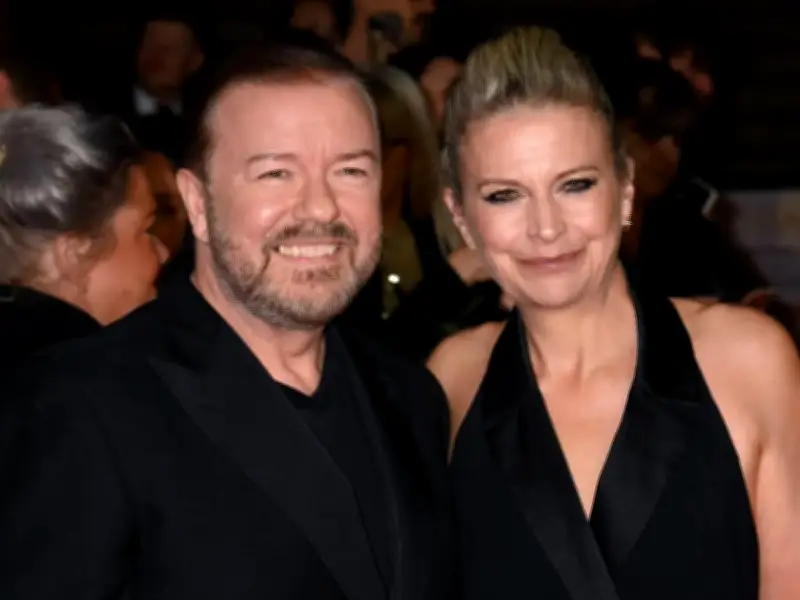
Ricky Gervais has revealed he is considering marrying his long-term partner Jane Fallon to avoid a tax bill. The comedian, who has been with Fallon for 44 years, told Saga Magazine that inheritance tax is the reason he would tie the knot.
Comedian's tax motive
“And that will be the reason I marry. We haven't done it yet. But if it wasn't for [tax], why?” he said. “It's mad. How more married can you be? We share all our money, we've been living together for 40 years. Some marriages don't last a year.”
Gervais, who co-owns properties with Fallon across London, New York and Buckinghamshire and has an estimated fortune of £141 million, added: “It's horrible, isn't it? I've got to get around to marrying before I die.”
Inheritance tax rules for couples
The standard Inheritance Tax rate is 40%, charged only on the portion of an estate exceeding the threshold. HMRC rules state there is normally no Inheritance Tax to pay if the estate is below the £325,000 threshold, or if everything above the threshold is left to a spouse, civil partner, a charity or a community amateur sports club.
If you are married or in a civil partnership and your estate is worth less than your threshold, any unused threshold can be added to your partner's threshold when you die. Gifts given while alive may be taxed after death, but taper relief can reduce the charge below 40%.
Marriage and estate planning
Thornton Jones solicitors states: “The legal distinction between married and unmarried couples has significant consequences when it comes to estate planning.” It says entering into a marriage or civil partnership “could be a strategic step to mitigate inheritance tax liabilities and safeguard assets for future generations.”
Jonathan Halberda, a specialist financial adviser at Wesleyan Financial Services, told Saga magazine last year he has seen cases where individuals wed close friends later in life to ensure their estate or pension benefits are passed on. “While it may sound unusual, these arrangements can make sense in situations where there's a close, trusted relationship, with no children or close family members to inherit,” he said.