
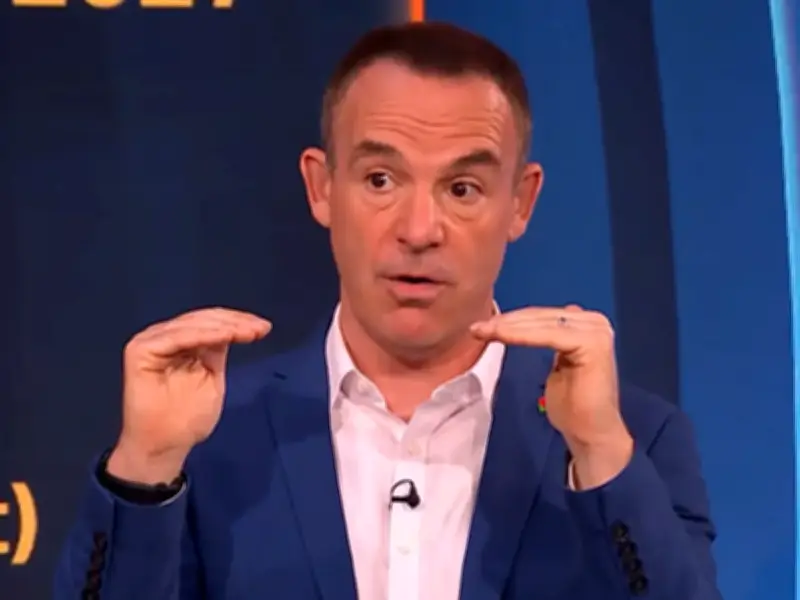
Martin Lewis has told savers to prioritise using their ISA allowance for investing, warning that the potential tax on a well-performing investment is "much bigger" than on savings interest. The consumer advocate was responding to a question from Vicky, a 54-year-old nurse and homeowner, on his BBC podcast.
The Key Decision: Save or Invest?
Lewis said the "real decision" is not about which type of ISA to choose, but whether to save or invest. He explained: "The answer is actually relatively simple. The real decision is: do you want to invest, or do you want to save? It's not: 'Do I want a cash ISA, or do I want a shares ISA, or do I want an ISA, do I not want an ISA?' It's do you want to save or do you want to invest."
He also clarified what a cash ISA actually is: "A cash ISA is just a savings account you don't pay tax on. Everybody listening, whenever you hear 'cash ISA', I want you in your head to say, 'It's just a savings account.'"
ISA Rules and Allowances
Any UK adult can deposit up to £20,000 a year into ISAs, split across different types as they wish. The exception is Lifetime ISAs, where only one account can be paid into each tax year. The allowance was set to change, with cash deposits limited to £12,000 from April 2027 for under 65s, but Labour announced at the Autumn Budget that this will not go ahead, keeping the full £20,000 allowance.
Cash ISAs grow in line with an interest rate like a standard savings account, while stocks and shares ISAs allow investment growth. All interest earnings or investment growth within an ISA is completely tax-free.
Finding the Best Rate
Lewis advised comparing the top-paying cash ISA with the top normal savings account. He said: "What you look at is: is the top-paying cash ISA of the type I want — whether it's easy-access or fixed — paying more or less than the top normal savings?" He noted that at the time of recording, Trading212 had the top rate for a cash ISA, paying 5.02 per cent with its Cash ISA Promo Rate.
The tax-exempt status of ISAs is especially valuable for higher earners. Lewis said: "If you would pay tax on savings — like you're an additional rate taxpayer — then the cash ISA has even more benefits, because you're not having 20 per cent (or to be 24 per cent), or 40% (or to be 44 per cent), or 45% (or to be 49 per cent) of tax taken off the interest."
Savings Tax Allowances
Outside of ISAs, basic rate taxpayers can earn up to £1,000 in cash interest each year tax-free, paying 20 per cent tax beyond that. Higher rate taxpayers have a £500 allowance and pay 40 per cent tax on interest. Additional rate taxpayers get no allowance and pay 45 per cent tax on any interest earnings outside an ISA. The Government announced at the Autumn Budget that these tax rates on interest will increase by four percentage points from April 2027.
Lewis concluded: "If you have a choice—if you're saving and investing—I would always tend to use my ISA first for investing, because the potential tax if you have an investment that goes very well is much bigger than it is on savings." He added that for money put away for more than five years, investing in a broad spread such as a global index tracker tends to outperform savings. The full podcast is available on the BBC website.




