
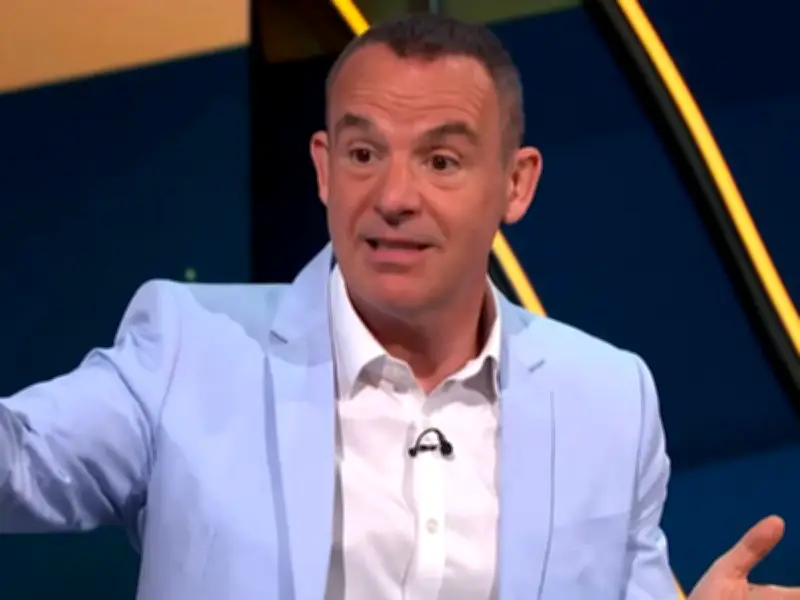
Martin Lewis has shared a two-step strategy for anyone hiding a substantial amount of debt from their partner, after a listener revealed they had concealed more than £65,000 of credit card debt.
On his BBC podcast, the MoneySavingExpert founder asked listeners to confess what they had kept from their partners about purchases or costs. Most replies were light-hearted admissions, such as designer shoes, covert scuba diving gear or a horse. But one listener shared a darker story, telling the show: "I hid just how bad my credit card debt had become. I was always cagey about money, and eventually, when I was asked outright, I told [my partner] everything—over £65,000 of debt."
While the partner was "understandably angry," they ultimately stood by the listener and helped them set up a Debt Management Plan. "The relief was enormous," the person said.
Seek help before confessing
Mr Lewis said keeping debts secret is "surprisingly widespread," explaining: "I have been asked many times over the years by someone who's hidden their debt what to do about the debt."
For anyone carrying this heavy financial secret, he laid out a clear strategy. "If you have a substantial amount of debt that you're not sleeping about at night and that you can't cope with, that you haven't told your partner or significant other about, here's what I would do," he advised. "I would not break them the news of the debt, because for obvious reasons, you're worried about what will happen."
Instead of immediately confessing without a strategy, Mr Lewis recommends booking a free consultation with a debt counselling agency first. He listed these organisations that offer confidential advice: StepChange Debt Charity, National Debtline, Citizens Advice, and Christians Against Poverty (CAP).
Present the route out
Mr Lewis said: "I would go and have your first appointment with them, where they give you the routes, they give you the light at the end of the tunnel, if you like." Once you have your plan, you can approach your partner to explain both the reality of your situation and the way out.
"I would then go back and tell your partner about your debts," he suggested. "You're going to need to work together and [them] help you with it. But I would have what you're going to be doing about it within the conversation, so that you're providing them with the route out, as well as just telling them about the problem, which allows them to see next steps and get on with it."
Although he recommends this route, Mr Lewis acknowledged that everyone must ultimately "choose your own path." He assured listeners that taking these initial steps often marks the beginning of recovery, noting that he has heard from "many people" who have had success in this way.




