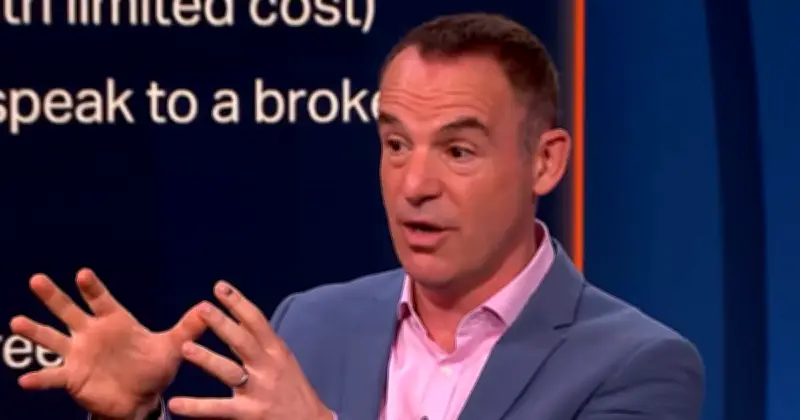
Martin Lewis has explained a little-known £25,000 rule that affects older people and pensioners with student loans, clarifying when repayments stop and how the system interacts with retirement.
Speaking on his BBC podcast, the finance expert outlined key timeframes for those planning retirement finances, including the state pension age rising from 66 to 67, a change that began in April 2026 and completes by April 2028. The age for accessing private pensions is also increasing, from 55 to 57 in April 2028.
Repayments depend on income
Mr Lewis explained that moving into retirement with a student loan makes no difference to your obligations, as you "keep repaying under the usual income rules." He added: "The amount you repay depends on your income. Even on the Plan 5 student loan system, you only pay 9 per cent of everything you earn above £25,000."
This relates to the Plan 5 student loans system in England, which applies to those who took out a student loan. The interest rate on the loan is the Retail Prices Index (RPI) measure of inflation.
When repayments stop
Mr Lewis noted that for people who take loans later in life, the key is when income drops below the threshold. He said: "So the key for many people who take loans later — student loans later — is when your income drops, you may have less income than the threshold. So you would, in practice, unless you have quite a decent pension income coming in, stop repaying anyway. It's just your loan isn't wiped for 40 years."
He said it "makes sense" that people keep paying back into retirement, as if a pensioner has a decent amount of wealth, "why would they not be contributing back to the system?"
Low-income retirees may pay nothing
Conversely, if you have a relatively low income in retirement, you may not have to repay any of your loan, just as a working-age person on a low income would not. Mr Lewis said: "It is interesting; we do see many older people who have done a degree towards the end of, or even once they're retired. Even if you don't get a maintenance loan, you can still go to university.
"You could start university with pension income under £25,000 and know you'll never be repaying a penny if you take the loans. That's just how the system works."
The £25,000 threshold is based on pre-tax income, not take-home pay. The podcast is available on the BBC Sounds website.