
Insurers at Lloyd's of London say cover is available at a price, while merchants view the danger level as too high. Shipping risk has been insured by Lloyd's of London for more than 330 years, but now the centuries-old heart of maritime insurance is getting to grips with the most modern of threats – drones and missiles threatening hundreds of vessels stuck in the Gulf region amid the escalating Middle East conflict.
For nearly three weeks the crucial strait of Hormuz has effectively been closed to the more than 100 gas and oil tankers and container ships that usually pass through each day. Pressure is building to find a way to safely reopen the narrow maritime channel to allow the estimated 1,000 vessels and their crews – mainly oil and gas tankers but also container ships – currently trapped in the Gulf to continue their journeys, restarting the global flow of fuel, chemicals and goods.
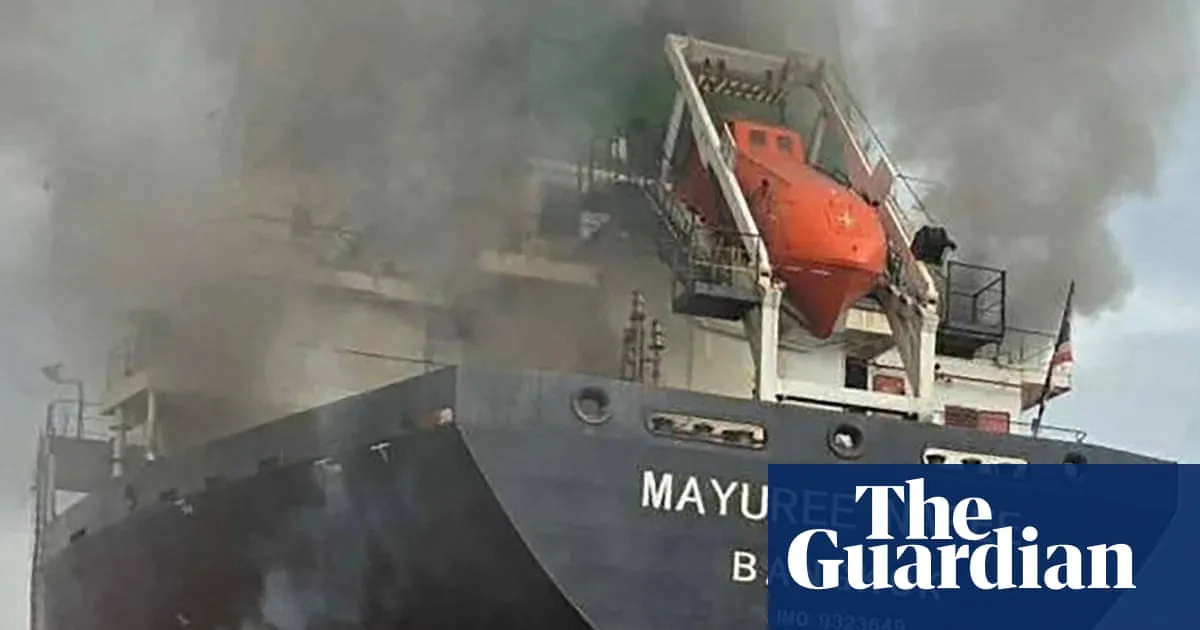
A total of 23 vessels had been attacked between the start of the war and Thursday, according to analysts from Lloyd's List Intelligence, including near misses and those that have sustained minor damage. Several crew members have been killed. Lloyd's of London insists shipping insurance has remained available throughout the conflict at the “right price”, even though brokers have conceded there has been little demand for the strait in recent days. The vast majority of shipowners have chosen to leave their vessels anchored in the Gulf or waiting in the region's ports.
During the latest Middle East conflict, war insurance premiums have soared since the outbreak of the conflict, rising to between 3.5% and 7.5% of a vessel's value, according to David Smith, the head of marine at the broker McGill and Partners, which operates in the Lloyd's of London insurance market. This compares with 1% to 1.5% a week earlier, and 0.25% before the war. However, it is not the cost of insurance that is preventing companies from making the decision to move their vessels out of a perilous region, rather what Smith called the “fear factor”.
Silke Lehmköster, a former container ship captain and now the fleet managing director at the German shipping company Hapag-Lloyd, relayed the danger being faced by the company's six vessels and 150 crew stuck in the Gulf. Her seafarers have reported seeing drones whiz past, as well as explosions and lots of smoke. One Hapag-Lloyd cargo ship was hit by shrapnel in recent days, causing a small fire on board, which the crew were able to extinguish with no injuries.
In the early days of the conflict, ships at anchor were considered safe, but there is a “huge buildup of risk” in the area, according to Richard Meade, the editor-in-chief of Lloyd's List Intelligence. “We are still not at the stage where ships are being profiled in these attacks, as far as we can tell. Some are falling into the category of collateral damage or hits to sustain the closure of the strait,” he said.




