
Many investors include luxury goods companies in their portfolios, but for those still building wealth, buying shares instead of products could be a smarter move. Over the past five years, Hermès International shares rose 56%, turning £1,000 into £1,560. Richemont, owner of Cartier, saw a 58% gain.
Luxury goods firms benefit from a wealthy clientele that continues spending during economic downturns, and a growing market in Asia. They also have strong pricing power and high profit margins, as brand appeal allows price hikes without losing customers.
However, investing carries risks. LVMH shares fell 32% in 2024 and are down 24% over five years. Burberry shares dropped 45% over five years due to competitive struggles. Brands can lose prestige, though simultaneous decline across multiple firms is unlikely.
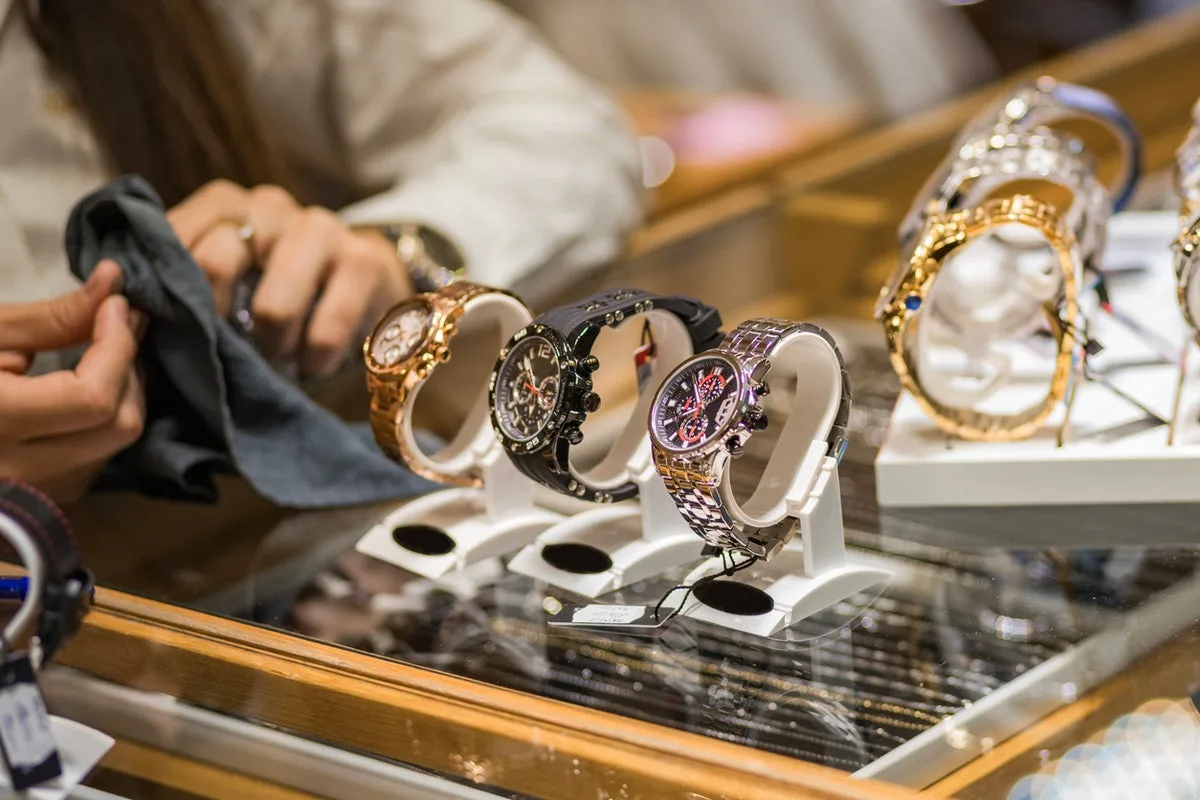
Diversification through an ETF is recommended. While some luxury items like watches or fine wine can appreciate, this requires expertise and carries risks such as theft or counterfeits. Overall, investing in shares offers a more accessible path to wealth building.




