
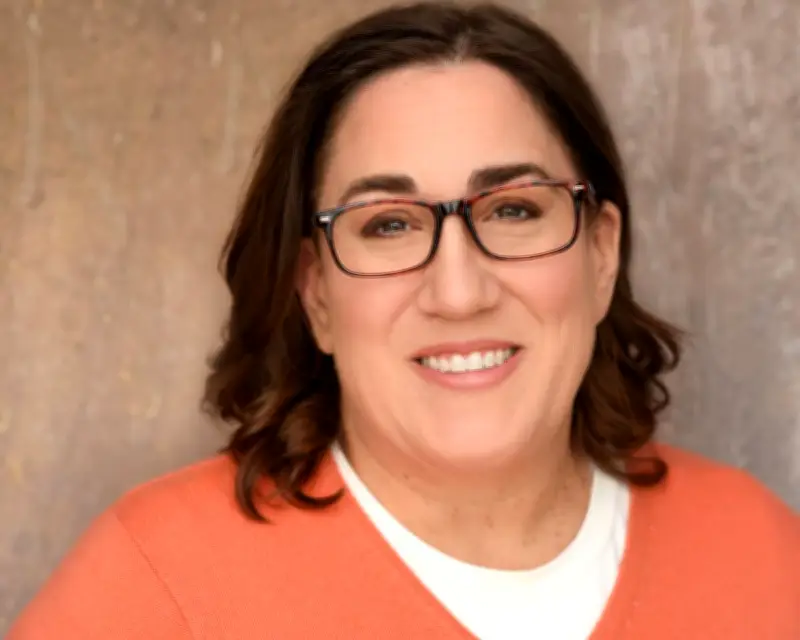
Beth Pinsker, a certified financial planner and author of My Mother's Money: A Guide to Financial Caregiving, knows firsthand the challenges of managing a parent's finances during a health crisis. Despite her expertise, she found herself overwhelmed when her mother fell ill, struggling with tasks like transferring funds and exercising power of attorney. In her 2025 book, she aims to help others avoid similar headaches by emphasizing the importance of certain documents and conversations long before they are needed.
The Most Important Documents
While many people think of a will as the cornerstone of end-of-life planning, Pinsker stresses that documents needed before death are far more critical. These include a financial power of attorney, a healthcare proxy, and a HIPAA authorization. A power of attorney allows someone to make financial decisions on your behalf if you become incapacitated, while a healthcare proxy and HIPAA authorization cover medical decisions and access to medical information. Without these, loved ones may face a lengthy and expensive court process to gain authority. According to industry reports, only 11% of people have a power of attorney in place, compared to 26% who have a will.
Simple Steps to Get Started
Pinsker advises that downloading a power of attorney form takes just 32 seconds, and getting it notarized costs only a few dollars. However, the document must be signed, notarized, and in some states witnessed, then accepted and processed by each financial institution. She recounts a personal anecdote: when her mother's cable wasn't working, she couldn't even ask the cable company to reboot the box without being an authorized user, despite having the power of attorney. The document is useless unless it has been filed with each institution.
For those feeling daunted, Pinsker suggests starting with a simple online trust or will. Many services offer templates that are no harder than using tax software, though she recommends hiring a lawyer for more complex situations. Online options like Trust & Will, Quicken WillMaker & Trust, Legal Zoom, and FreeWill can help, but she cannot endorse specific services as a MarketWatch columnist.
Conversations and Red Flags
Pinsker wishes she had had more detailed conversations with her mother about how she paid bills and managed Social Security. She emphasizes the importance of going to the bank to authorize the power of attorney, a step many miss. Emotionally, she coped by viewing herself as her mother's arms and legs, taking pride in being her force in the universe. Her mother's preparation of burial plans, down to a map of the family plot, was a tremendous gift that spared her difficult decisions during a time of grief.
When approaching resistant family members, Pinsker advises gentle persuasion. If a parent refuses to sign a financial permission slip, the only option may be going to court, which underscores the need for hard conversations early. Red flags of declining financial acumen include past-due bills, excessive giving to charities or political causes, and difficulty managing taxes. She suggests offering help with taxes as a non-threatening entry point.
Planning for Your Own Future
Pinsker has set up her own incapacity documents, will, and trust to spare her children from paperwork and red tape. She views this as an act of love, encouraging others to do the same. 'You have to think, I don't want to leave the people I love most in the world in that crappy position of needing to decide something at the last minute. So I'm going to be a grownup and do what needs to be done.'




