
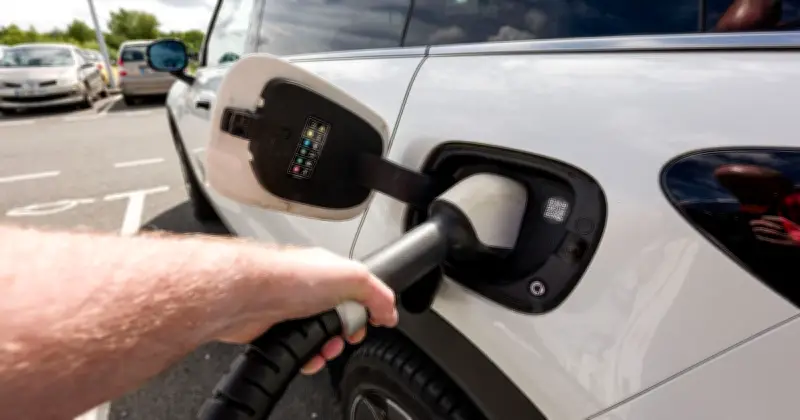
A recent analysis reveals that electric vehicle (EV) drivers in the UK are saving more than £1,100 annually on fuel compared to those driving petrol or diesel cars. Battery electric vehicles (BEVs) are approximately four times more efficient than internal combustion engine vehicles, making them significantly more cost-effective to operate.
Fuel Price Spike Increases Pressure on Petrol and Diesel Drivers
The recent surge in fuel prices, driven by the conflict in Iran, has placed additional financial strain on drivers of traditional fuel vehicles. In contrast, BEV owners are reaping substantial savings, which are more than three times greater than those achieved by plug-in hybrid electric vehicles (PHEVs). Evidence indicates that PHEVs are predominantly driven using their combustion engines, limiting their efficiency benefits.
Millions of EVs on UK Roads Save Billions
Over two million BEVs, one million PHEVs, and 100,000 electric vans on UK roads collectively save drivers approximately £3 billion per year. These vehicles also eliminate the need for nearly 2.5 billion litres of fuel and reduce carbon dioxide emissions by almost seven million tonnes annually.
Government Considers Weakening EV Sales Targets
Despite recent reports that EVs are now cheaper to purchase than petrol cars, the UK government is reportedly planning to relax its EV sales targets. The current zero-emission vehicle mandate requires 80% of new car sales to be BEVs by 2030. However, following lobbying from carmakers and trade unions, the government is considering lowering the target to between 50% and 70%.
Prime Minister Sir Keir Starmer is understood to have overruled Energy Secretary Ed Miliband after sustained pressure from industry, the Unite union, and Business Secretary Peter Kyle. The motor industry claims there is insufficient demand for BEVs to meet the original targets, though the government notes that manufacturers have over-complied to date.
Industry on Track to Beat Mandate Goals
Independent analysts suggest the industry is on track to continue exceeding the mandate goals. Manufacturers have utilized a range of flexibilities introduced after previous lobbying rounds, allowing them to meet part of their EV targets by selling more efficient combustion cars, including hybrids and plug-in hybrids.
The mandate is a critical component of the government's strategy to achieve legally binding climate goals over the next decade. The Climate Change Committee has warned that additional flexibilities could result in more hybrid sales at the expense of BEVs.
During consultations in 2023, the then-Conservative government noted that PHEVs do not deliver the advertised cost and CO2 savings, highlighting significant discrepancies between test cycle performance and real-world conditions. In practice, less than one-third of miles driven in PHEVs are powered by electricity, with petrol accounting for the remainder. Consequently, the cost and CO2 savings from BEVs are three times greater than those from PHEVs.




