
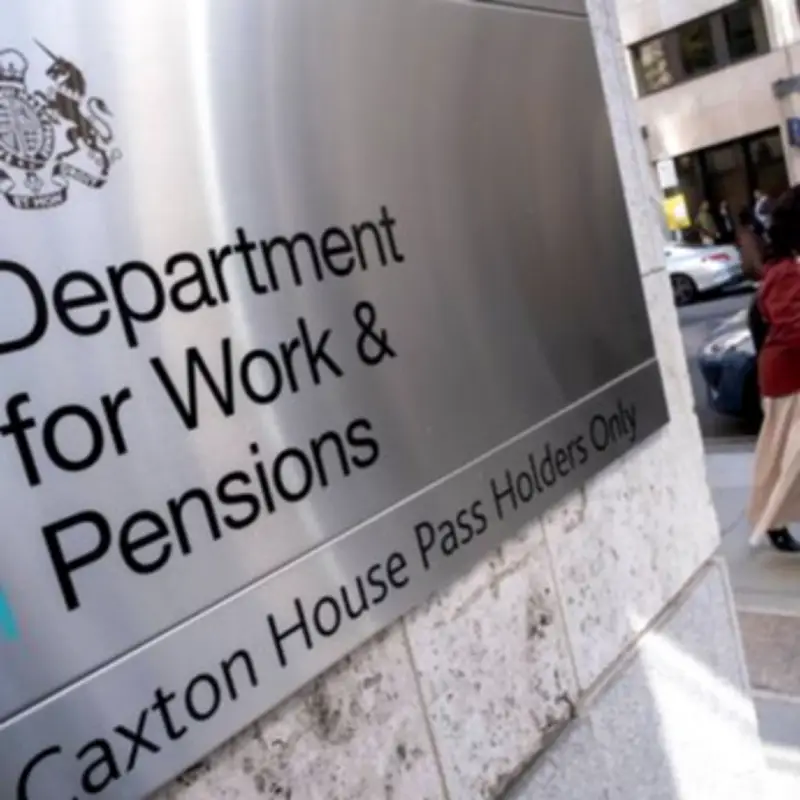
The Department for Work and Pensions (DWP) has launched a consultation on unlocking 'trapped' capital from defined benefit (DB) pension schemes, with a cut-off date of September 2, 2026. The Government update, published on Wednesday, outlines proposals to give trustees more flexibility to release surplus funds for employers, scheme members, and the broader UK economy, while maintaining robust funding levels.
Strongest financial position in a generation
The proposals come as DB pension schemes are in their strongest ever financial position, with the number of schemes in surplus quadrupling over the past five years. Most scheme assets now exceed the value of promised benefits, prompting the Government to seek ways to free trapped capital to stimulate economic growth and employer investment.
Key proposals in the consultation
The consultation includes revising the funding threshold, replacing the existing buyout-based test with a low-dependency funding assessment. The Government believes that full funding on low dependency is the right threshold for surplus extraction, describing it as robust and prudent. Additionally, a forward-looking funding assessment would ensure that surplus release does not jeopardise the scheme's long-term financial standing.
Other measures include mandating an actuarial evaluation of assets and liabilities, trustee deliberation, expert guidance, and sponsor agreement. Transparency for scheme members would be improved, with notifications issued at least three months before payment, and schemes informing the Pensions Regulator after payment.
Minister welcomes consultation
Pensions Minister Torsten Bell said: 'For the first time in a generation, DB pension schemes are in a genuinely strong financial position, with the vast majority of schemes now having a surplus. This is something well worth celebrating. Now is the time to give trustees the option of safely translating some of those surpluses into real benefits for members and employers.'
Industry concerns
While the sector has praised the Government for recognising the changed DB landscape, concerns remain. David Brooks, head of policy at Broadstone, warned: 'Long-term member security must remain the overriding consideration. Surpluses can disappear more quickly than they are created, particularly during periods of market stress.' He added that member participation in surplus distribution is not automatic and will depend on trustee judgement and scheme-specific negotiations.




