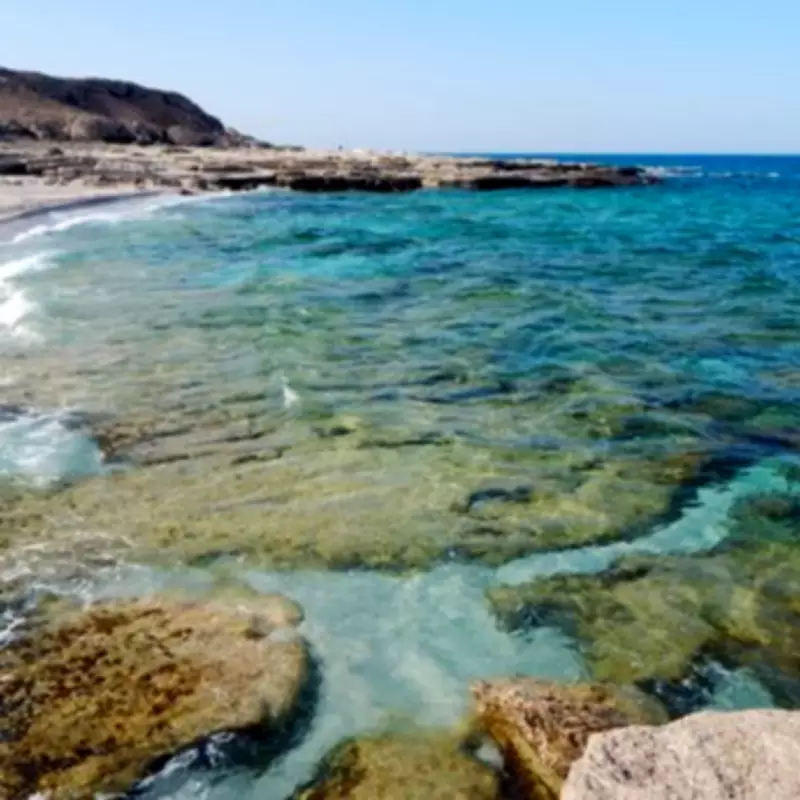
The world's largest lake is so immense that it rivals the size of Japan. With over 304 million lakes globally, many of the largest are classified as inland seas, yet they remain landlocked, connected to oceans only through rivers or narrow channels.
The Caspian Sea: A Continental Giant
The Caspian Sea holds the title of the largest lake on Earth, boasting a surface area of 386,400 square kilometers (149,200 square miles). Straddling the continents of Europe and Asia, this colossal body of water is bordered by five nations: Kazakhstan, Russia, Azerbaijan, Iran, and Turkmenistan. Its surface lies approximately 27 meters below sea level.
To put its size into perspective, the Caspian Sea is nearly five times larger than Lake Superior, which sits on the border of Canada and the United States and covers 82,000 square kilometers (31,660 square miles).

Age and Water Sources
Estimated to be around 30 million years old, the Caspian Sea became landlocked about 5.5 million years ago. Its primary freshwater source is the Volga River, Europe's longest river, which flows into the sea. Thanks to this inflow, the Caspian's water is almost fresh. Over 130 rivers feed into it, including the Ural and Kura Rivers.
Islands and Cities
The lake contains several small islands, mostly in the northern part. These islands are typically near the coasts, with none found in the deeper central areas. Baku, the capital of Azerbaijan, is the largest city along the Caspian Sea. Other notable cities include Astara in Iran, Atyrau in Kazakhstan, and Derbent in Russia.
Biodiversity and Economy
The Caspian Sea is renowned for its rich biodiversity, including caviar and oil reserves. It hosts approximately 850 animal species and over 500 plant species, many of which are endemic. Six critically endangered sturgeon species inhabit its waters, along with the unique Caspian seal and beluga.
Environmental Challenges
Pollution from the oil industry and dams on rivers draining into the lake have severely harmed its ecosystem. Additionally, global warming is projected to cause the sea's depth to decrease by nine to 18 meters, posing further threats to this natural wonder.