Electricity bills remain high by historic standards, even after the latest fall in the energy price cap. The April 2026 cap sets the unit rate at 24.67p per kWh, with a daily standing charge of 57.21p. At the same time, the zero per cent VAT rate on domestic solar installations is due to end on 31 March 2027, after which it will return to 5 per cent. These factors are prompting more homeowners to consider solar panels now.
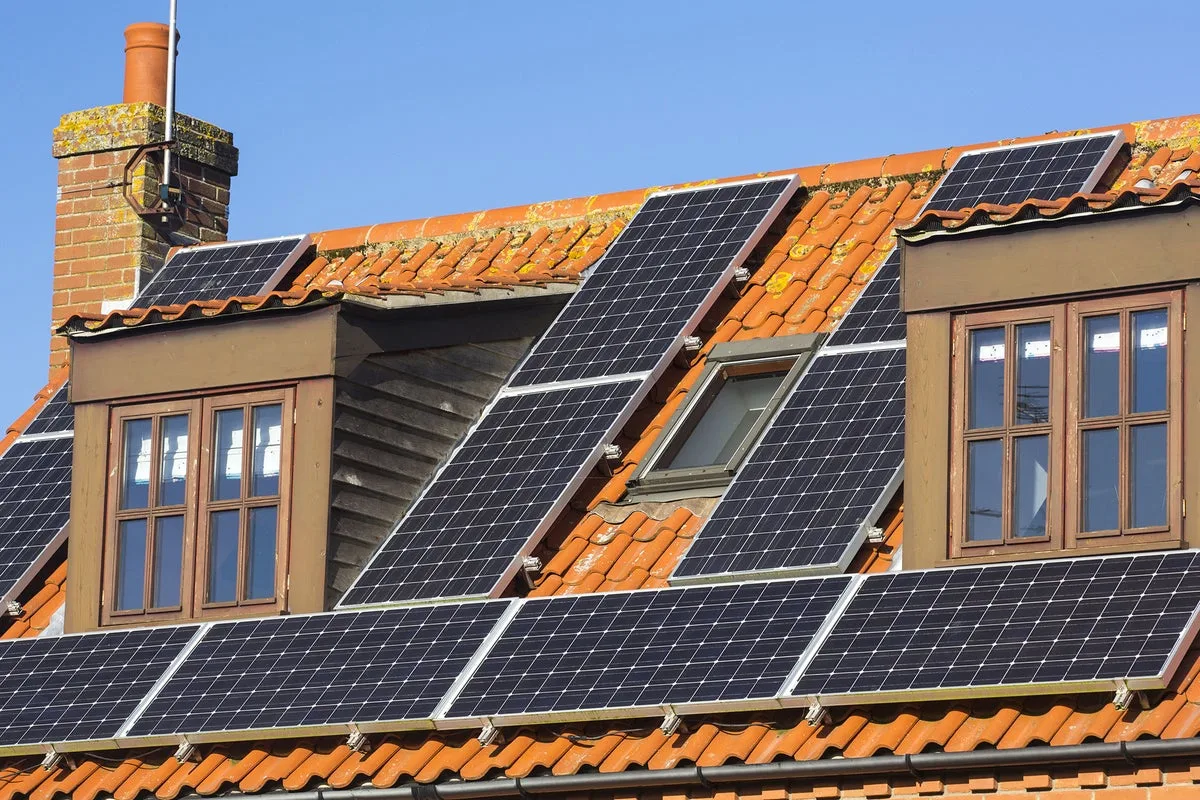
A typical rooftop system for a three-bedroom home costs between £6,500 and £9,000 fully installed, depending on the number of panels, roof complexity and whether a battery is included. Waiting until after the VAT deadline would add 5 per cent to that cost. However, homeowners should not assume they can start the process in March 2027 and still benefit from the current rate, as installations take time to arrange.
The biggest savings from solar panels come from using the electricity you generate yourself, rather than selling it back to the grid. Households that can shift electricity use to daylight hours, such as remote workers or retirees, tend to benefit most. Adding a battery to store excess power can help but adds thousands to the upfront cost, so the payback period should be modelled carefully.
The worst reason to buy solar panels is panic, but the VAT deadline gives homeowners a reason to start doing the sums now. While solar panels are not right for everyone—shaded roofs, low electricity bills or a planned move can weaken the case—for those with suitable properties and energy-use patterns, 2026 could be one of the best years yet to make the switch.