

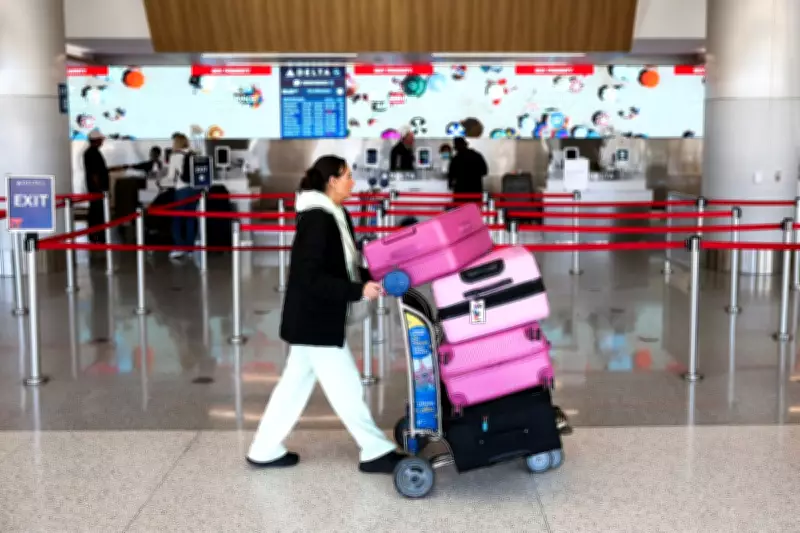
US Airlines Implement Baggage Fee Increases Amid Iran Conflict Fuel Crisis
Several major US airlines have announced significant hikes in baggage fees in recent days, attributing the changes to severe volatility in oil markets driven by the ongoing US-Israeli military engagement in Iran. This conflict has nearly doubled jet fuel prices, placing substantial financial pressure on carriers across the industry.
Delta Follows Suit with Fee Adjustments
On Tuesday, Delta Air Lines joined United Airlines and JetBlue in raising baggage prices, a move that coincided with Delta's announcement of an expected pre-tax profit of approximately $1 billion for the quarter ending in June. A Delta spokesperson confirmed that the new fee structure would take effect immediately, with costs for first and second checked bags on most routes increasing by $10 to $45 and $55, respectively. Additionally, a third bag will now cost $200, marking a $50 rise from previous rates.
"These updates are part of Delta's ongoing review of pricing across its business and reflect the impact of evolving global conditions and industry dynamics," the spokesperson stated. Delta did not clarify whether these rate hikes are permanent or if they will be reduced once fuel prices stabilize post-conflict.

Fuel Price Surge and Operational Challenges
The fee increases come as airlines grapple with soaring jet fuel costs, which have escalated since the US joined Israel in military strikes on Iran beginning in February. In response, Iran closed the Strait of Hormuz, a critical chokepoint for global oil transport, disrupting approximately one-fifth of the world's oil supply. According to Airlines for America, the average price of a gallon of jet fuel in key hubs like Chicago, Houston, Los Angeles, and New York has surged from $2.50 on February 27 to $4.81 recently.
Beyond rising fuel expenses, carriers are facing increased fuel consumption due to extended flight routes necessary to avoid the conflict zone. Despite these challenges, Delta reported record-breaking revenue of $15.9 billion for the March quarter and maintains a strong financial outlook.
Industry-Wide Fee Hikes and Mitigation Strategies
United Airlines initiated its fee increase on April 3, raising first and second checked bag costs by $10, marking its first adjustment in two years. Depending on booking timing, fees now range from $45 to $60. Similarly, JetBlue has adjusted its sliding scale of baggage fees, citing fuel cost pressures. Both airlines emphasized that such changes are implemented only when necessary, with exemptions for certain customers like credit card holders and loyalty program members.
In addition to baggage fees, numerous airlines have raised ticket prices to offset expenses. International carriers such as Qantas, Cathay Pacific, and Thai Airways have imposed fuel surcharges, while British Airways is exploring innovative measures, including financial incentives for pilots to reduce fuel consumption through partnerships with unions.
As the Iran conflict continues to impact global markets, airlines are navigating a complex landscape of rising operational costs and consumer pricing adjustments, balancing profitability with customer relations in an uncertain economic environment.






