UK Supermarkets to Sell £500 Plug-In Solar Panels With Key Caveats
UK Supermarkets to Sell £500 Plug-In Solar Panels (18.05.2026)

Plug-in solar panels are set to officially go on sale in the UK in the coming months, priced at around £500. However, several obstacles must be addressed by both the government and householders before this technology becomes as user-friendly as it is in other European nations.

Understanding Plug-In Solar Technology

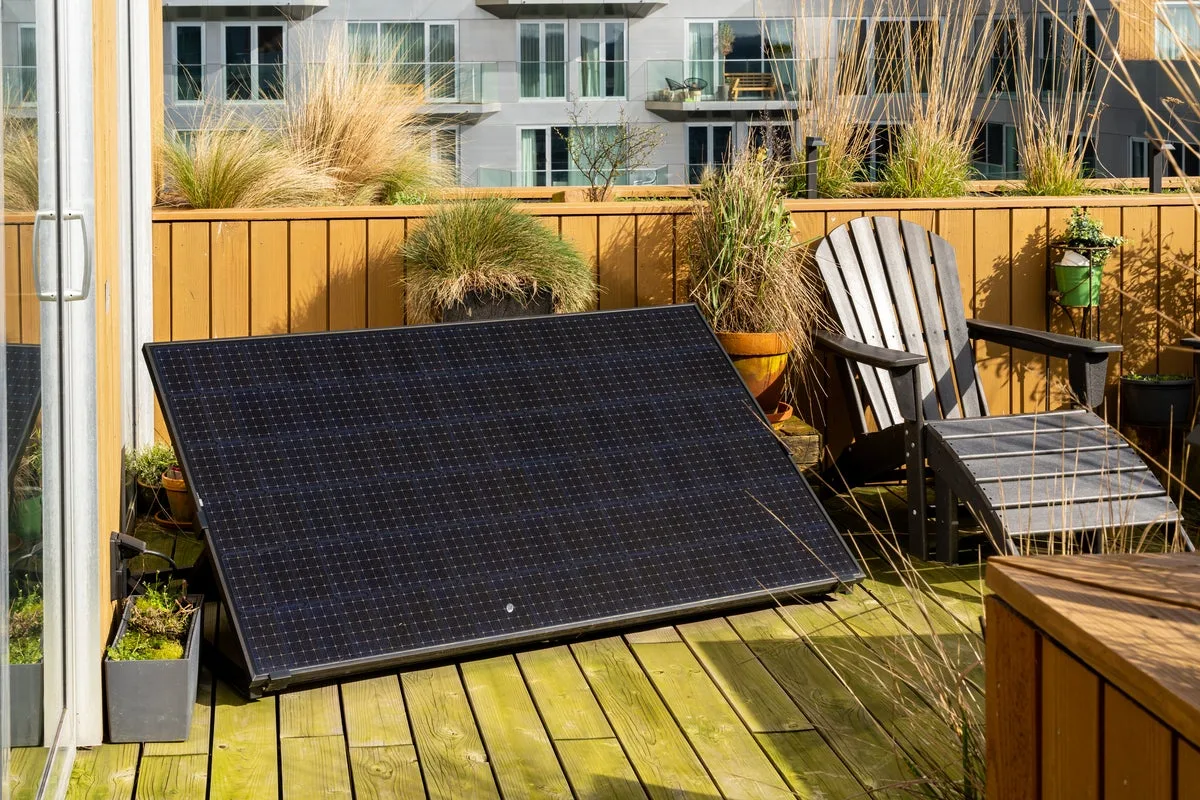
Plug-in solar typically comprises one or more panels that can be mounted on a balcony or in a garden. These panels connect to the home via an inverter, which converts the generated electricity to the voltage and frequency used by the grid. In theory, this power can be fed into a home through a standard plug socket. Until now, this has not been permitted in the UK due to safety and regulatory concerns, but regulations are being amended to allow it, provided the panels meet new safety standards.

In Germany, millions of such panels were in use by 2025. German-owned supermarket Lidl and British-owned Iceland are collaborating with the UK government to bring these panels to market. A typical system could generate 200–500 kWh per year, roughly 10% of a typical household’s energy consumption, depending on positioning.

Wide Pickt banner — collaborative shopping lists app for Telegram, phone mockup with grocery list

Government Actions Required

The government plans to permit plug-in installations of up to 800W, subject to several guidelines. However, it remains unclear whether changes to planning laws will be necessary. Tenants in shared developments must consult their landlords, as balcony solar could affect building insurance, which is often communal. Residents in conservation areas may also face planning restrictions.

For optimal performance, solar panels should be tilted at an angle, but this may contravene existing planning rules. Without proper angling, performance could drop by 30–45%. The government is promising new safety standards and “anti-islanding” measures to prevent live prongs after unplugging or during grid outages. Safety mechanisms are essential to stop electricity flow in such scenarios.

The Institute of Engineering and Technology and the Electrical Contractors Association have raised concerns about older UK electrical systems that may not handle plug-in solar. Previous building standards did not account for power being fed into homes via plugs. While some plug-in devices available online are of good quality, others are cheaply made, highlighting the need for industry standards and enforcement.

Considerations for Householders

For most people living in houses, installation may be straightforward, but those in conservation areas may need planning permission. It is also advisable to check with insurers. Balcony solar is not ideal for all; shaded or north-facing balconies may yield little benefit.

Householders must notify their local District Network Operator (DNO) and complete a G98 notification form, informing the electricity supplier of the solar system. These forms are typically completed by electricians, and it is unclear whether householders or tenants can handle applications themselves.

A weatherised external plug is required for balcony units. If an electrician is called to install it, wiring the system directly into the mains may be safer. Running a cable through an open window is unsafe and allows heat to escape, potentially negating energy savings.

Another consideration is how to use the generated power. The price paid by the grid for excess energy is often lower than the cost of buying electricity, so maximising self-consumption is key. Purchasing a battery, costing several hundred pounds, allows charging during the day for use at night, improving flexibility but increasing costs and extending payback periods.

The government hopes plug-in solar will encourage broader adoption of solar technology, potentially leading to larger rooftop installations. However, in Germany, rooftop solar (supported by subsidies) came first, with balcony systems filling gaps later. By addressing these practical issues promptly, the UK government can facilitate a wider shift to solar power.

Pickt after-article banner — collaborative shopping lists app with family illustration