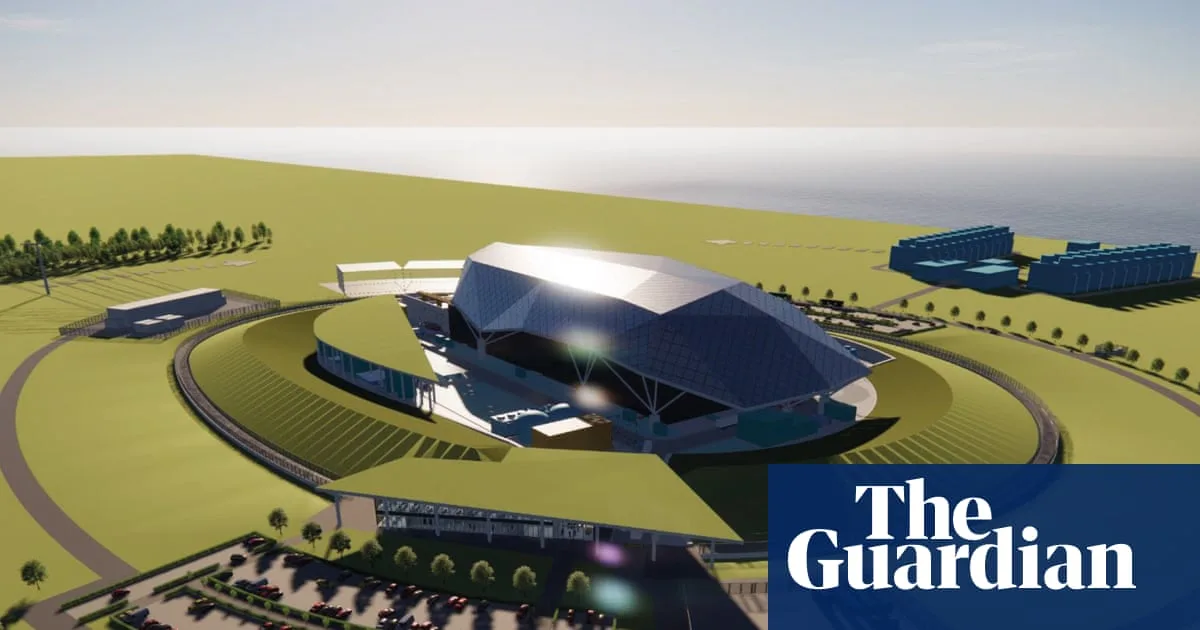
Rolls-Royce has been selected as the preferred bidder to build the UK's first small modular nuclear reactors (SMRs), marking a major step in the government's push for nuclear energy. The FTSE 100 manufacturer beat two US-owned competitors, Holtec and GE Hitachi, in a drawn-out competition overseen by Great British Energy – Nuclear.
The decision, announced on Tuesday, coincides with a £14.2bn investment in the large Sizewell C power station in Suffolk, which will generate 3.2GW of electricity for around 6m homes. Rolls-Royce's SMRs, by contrast, will each produce about 470MW, with plans for at least three units to collectively generate up to 1.5GW.
SMRs are designed to be built mostly in factories using a standardised design, then assembled on site, aiming to reduce costs and avoid the delays seen at Hinkley Point C. However, the technology remains unproven, with no operational SMRs anywhere globally. The Green Party criticised the move as slow and expensive, while Energy Secretary Ed Miliband declared an end to the “no-nuclear status quo” and a “golden age of nuclear”.
The government did not reveal locations for the first SMRs, though retired nuclear sites such as Oldbury in Gloucestershire and Wylfa in north Wales are considered likely. The project is expected to create 3,000 jobs at peak construction and target 70% UK-sourced parts.
Rolls-Royce SMR is majority-owned by Rolls-Royce, with investors including Qatar's sovereign wealth fund, BNF Resources, US energy firm Constellation, and Czech utility CEZ. Chief executive Tufan Erginbilgiç called the decision a “very significant milestone” and a “vote of confidence” in the company's nuclear capabilities. Rolls-Royce shares hit a record high of £9.12 on the news.
The SMR programme has faced years of delays since Rolls-Royce first proposed a design in 2015, with earlier target dates repeatedly slipping. The company now expects to begin generating power by 2032 at the earliest, targeting datacentres as key customers.