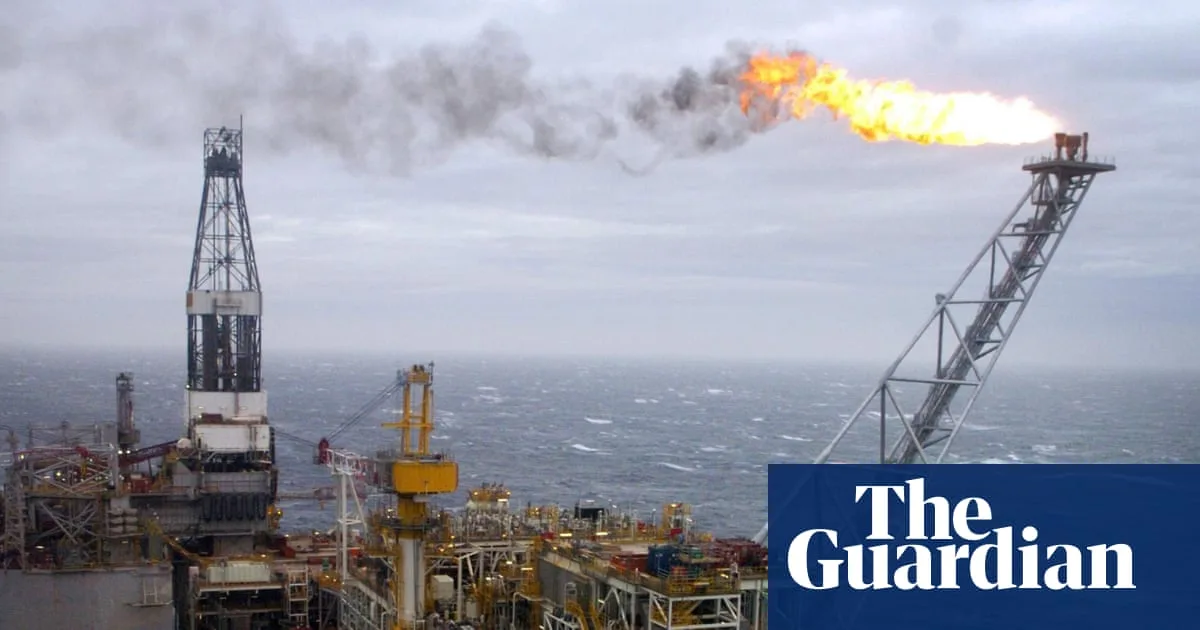
Energy security and the role of North Sea oil and gas have become a central political battleground, with Energy Secretary Ed Miliband warning that expanding drilling would leave the UK exposed to volatile fossil fuel markets. Speaking at a parliamentary Labour party meeting, Miliband argued that new licences would not lower prices and that only a transition to clean power can deliver genuine energy sovereignty.
The Conservatives are using an opposition day debate to call for scrapping the windfall tax on oil and gas profits, ending the ban on new licences, and approving the Rosebank and Jackdaw fields. Shadow energy secretary Claire Coutinho described the government's stance as 'sheer lunacy' amid a gas supply crisis, urging Labour MPs to put national interest over what she termed 'Ed Miliband's zealotry'.
Labour MP Henry Tufnell broke ranks, writing in the Sun that the UK should alter its energy approach 'to protect families' by drilling in the North Sea and scrapping carbon taxes on manufacturing. However, other Labour MPs at the PLP meeting expressed little support for his position, with one saying 'it's a risk to go backwards'.
Chancellor Rachel Reeves is expected to announce plans on Tuesday to protect households from higher energy bills triggered by the US-Iran conflict, including a new anti-profiteering framework to clamp down on price gouging by petrol retailers. She will also confirm the implementation of the Fingleton review to accelerate nuclear power construction and explore indemnities for critical energy projects facing legal challenges.
The government maintains that the windfall tax has raised £12 billion since the start of the Russia-Ukraine war and that new licences would not shield consumers from market volatility. A government spokesperson highlighted £120 billion of public investment, including in Sizewell C, as part of the push for long-term energy independence.