UK Government Invests £100m to Reopen Teesside CO2 Plant Amid Iran War Fears
UK Reopens Teesside CO2 Plant with £100m to Avert Shortages

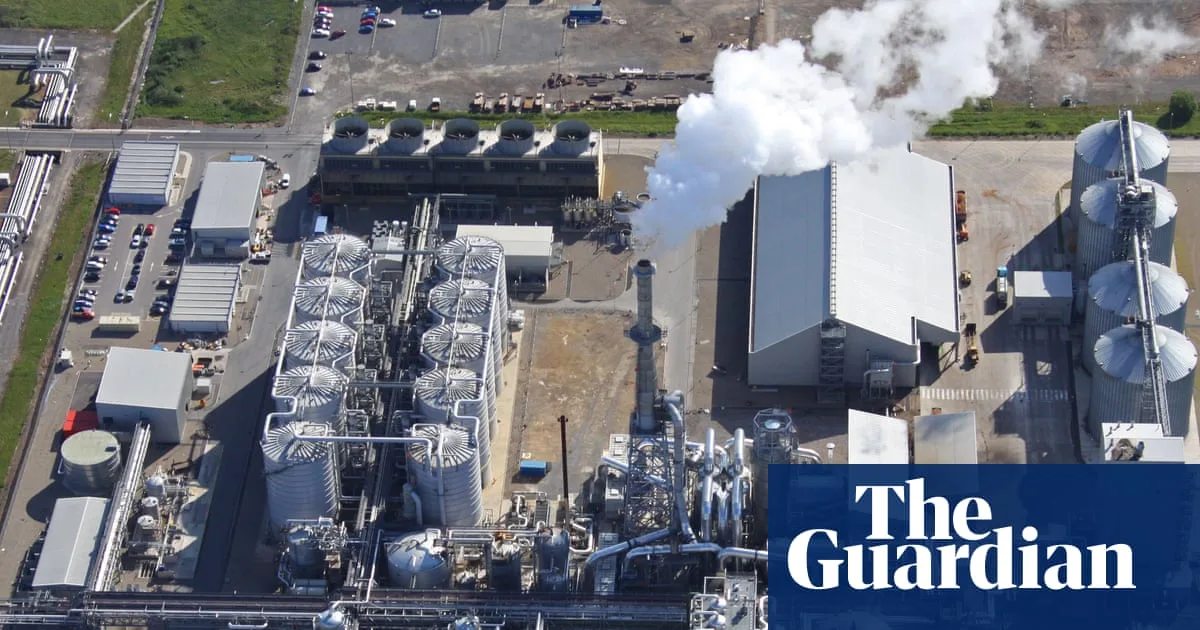
The Ensus plant on Teesside, which produces carbon dioxide (CO2) as a byproduct of ethanol manufacturing, is set to reopen following a £100 million government investment. This move comes amid heightened concerns that the ongoing war in Iran could lead to severe shortages of CO2, a gas critical for various sectors including food preservation, medical applications, and animal slaughter.

Government Intervention to Bolster Resilience

Business Secretary Peter Kyle has authorised the reopening of the Ensus facility to enhance the UK's CO2 production capacity. The plant was previously mothballed in September after a trade deal between Keir Starmer and Donald Trump reduced tariffs on bioethanol imports from the United States, making domestic operations less viable. CO2 is an essential byproduct of ethanol production, which is derived from agricultural sources and serves as a petrol substitute.

Financial and Strategic Support

The Department for Business and Trade announced on Thursday that the site will resume operations, with the government providing approximately £100 million to cover costs for an initial three-month period. There are hopes that the plant may continue operating indefinitely beyond this timeframe. Grant Pearson, Chair of Ensus UK, emphasised that this support will strengthen the Teesside manufacturing economy and bolster the UK's resilience in biogenic CO2 supplies, which are vital for food and drinks companies, hospitals, abattoirs, and the nuclear industry.

Wide Pickt banner — collaborative shopping lists app for Telegram, phone mockup with grocery list

In a statement, Kyle highlighted the government's commitment to protecting British businesses from global uncertainties: "We intervened last autumn to keep this critical plant on standby for situations like this. By restarting this plant, we've acted swiftly to boost the resilience of our supply chains and protect critical UK sectors like food production, water, and healthcare, as well as the jobs and communities that depend on these industries."

Addressing Broader Supply Chain Risks

This intervention aims to mitigate potential shortages exacerbated by the Iran conflict. According to energy consultancy Cornwall Insight, rising energy costs could increase electricity bills for businesses by 10% to 30%, with gas bills potentially surging by 25% to 80%. The Department for Business and Trade noted that the reopening is part of wider efforts to ensure the UK maintains access to critical industrial resources during global supply shocks.

Risks to CO2 supply include escalating gas prices, disruptions in European fertiliser production, and unplanned maintenance at major CO2 plants across the continent. This situation echoes the CO2 crisis of 2021, when post-pandemic gas price spikes led the government to bail out CF Fertilisers to restart production at its Teesside factory. Similarly, in 2018, a global CO2 shortage forced Warburtons to suspend crumpet production and Heineken to halt brewing temporarily.

Historical Context and Operations

The Ensus plant has been operational on Teesside since 2010, using distillation and fermentation processes to convert wheat into bioethanol. This process yields CO2 as a byproduct, along with high-protein animal feed. Headquartered in Middlesbrough, the company employs around 100 people and plays a key role in the regional economy.

An unnamed UK government official remarked to the Financial Times on the irony of the situation: "The plant was shut because of a deal with Trump and now it's reopening because of Trump's war in Iran." This underscores the complex interplay of international trade and geopolitical events affecting domestic industrial strategies.

Pickt after-article banner — collaborative shopping lists app with family illustration