British Households Rush to Green Energy as Iran War Fuels Price Surge
UK Homes Turn to Solar and Heat Pumps Amid Iran Crisis

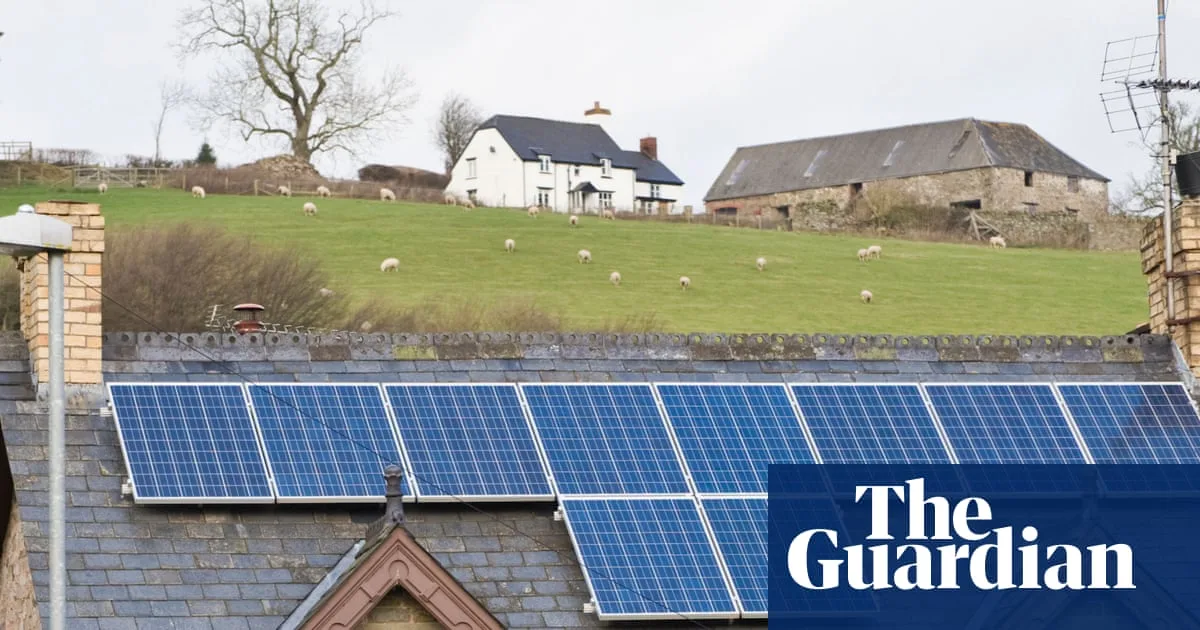
British households are embracing green home energy upgrades at an unprecedented rate, driven by soaring global fuel prices following the outbreak of war in Iran. New data from leading energy suppliers indicates a dramatic surge in demand for solar power systems, electric vehicles, and heat pumps as consumers seek to shield themselves from escalating costs.

Record-Breaking Demand for Renewable Solutions

Octopus Energy, the largest energy supplier in Great Britain, reported that its heat pump orders more than doubled in March compared to February. Sales of solar power systems increased by nearly 80%, while new leases for electric vehicles rose by over 85% during the same period.

British Gas, the sector's second-largest provider, has witnessed an even more striking trend. The company recorded a 250% increase in inquiries for solar panel installations since February 28th, alongside a significant uptick in interest for heat pumps.

Wide Pickt banner — collaborative shopping lists app for Telegram, phone mockup with grocery list

Impending Price Cap Increase

This surge in green energy adoption comes as households prepare for a substantial rise in energy bills. From July, the energy price cap is expected to increase by 18%, bringing the typical annual dual-fuel tariff to approximately £1,929. This adjustment follows a roughly 50% increase in Europe's benchmark gas price, directly linked to the Iran conflict.

Rebecca Dibb-Simkin, Chief Product Officer at Octopus Energy, commented: "British families are tired of being held hostage by global fossil fuel prices. We're seeing a massive shift as people take matters into their own hands – switching to solar, heat pumps and EVs, locking in low running costs and shielding themselves from future price shocks."

Personal Stories of Energy Transition

Allan Burgess from Great Yarmouth represents this growing trend. Last month, he decided to install a heat pump after witnessing heating oil prices skyrocket from £250 to £700 for 500 litres within a week following the Iran war's onset.

"Once the war in Iran started I knew I had to switch," Burgess explained. "I was really worried about what might happen because I was running low on heating oil and had absolutely no idea how high prices could go."

Heating oil, used by over one million UK households, particularly in rural areas without gas grid connections, is not covered by Ofgem's price cap. Its price is closely tied to jet fuel costs, which have soared since Iran effectively closed the Strait of Hormuz. Europe depends on Gulf refineries for about 60% of its jet fuel imports, making the UK especially vulnerable to shortages.

Rapid Installation and Government Support

Burgess arranged for a heat pump installation on March 12th, with a survey conducted two days later and the system fully operational by March 17th. With his home already equipped with a water tank, the installation cost was reduced to £1,500 after applying the government's £7,500 grant. His existing solar panels and battery now supply electricity to run the heat pump independently from the grid.

Broader Industry Trends

Furbnow, a home energy upgrades provider, has reported a 42% increase in inquiries since late February, with many specifically focused on reducing fossil fuel dependence. Becky Lane, the company's Chief Executive, noted: "These aren't panicked reactions, they're considered decisions. Families have realised the most resilient thing they can do is reduce how much energy their home needs in the first place. No price spike can touch a home that barely needs energy."

Among Furbnow's prospective customers, nearly three-quarters have requested solar panels, over half have expressed interest in replacing gas or oil boilers with electric heat pumps, and about 40% have sought quotes for insulation upgrades.

This collective shift toward renewable energy solutions underscores a fundamental change in how British households approach energy consumption. As global conflicts continue to impact fuel markets, the move toward self-sufficient, green home energy systems appears to be accelerating rapidly across the nation.

Pickt after-article banner — collaborative shopping lists app with family illustration