Government to 'Double Down' on Clean Energy Amid Gas Price Volatility
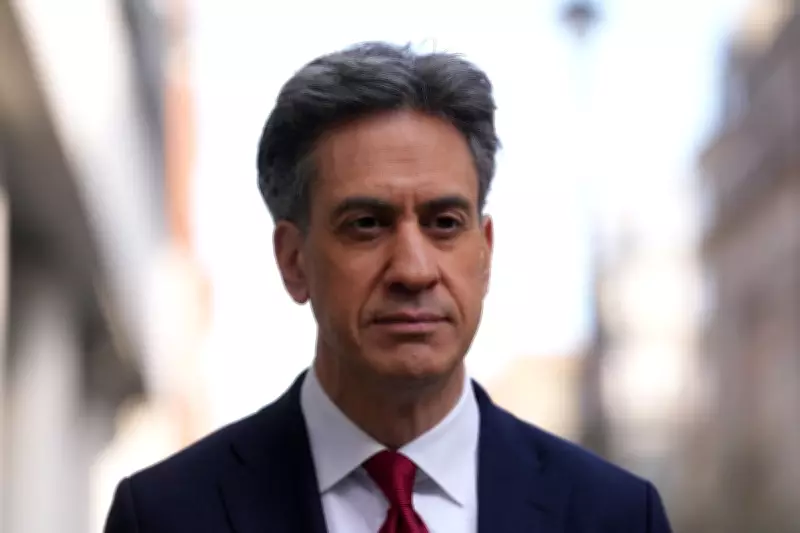
Energy Secretary Ed Miliband is set to announce significant measures aimed at decoupling electricity and gas prices in the United Kingdom. The plans, expected to be outlined on Tuesday, represent a firm commitment to accelerating the nation's transition to clean energy sources while protecting households and businesses from future gas price spikes.
Breaking the Link Between Gas and Electricity
At the heart of the government's strategy is a proposal to break the established link between gas and electricity prices. Currently, volatile fossil fuel prices set the wholesale cost of electricity approximately 60% of the time in Britain, down from around 90% at the beginning of the decade. This occurs despite gas supplying a much smaller and decreasing share of the nation's power generation.
The marginal pricing system means that the most expensive energy source brought onto the grid to meet demand sets the price for all generators, except those on fixed contracts. This price-setting source is frequently gas, leaving British consumers vulnerable to unpredictable wholesale gas prices while delivering windfall profits to generators such as nuclear and older renewables not on fixed contracts.

Proposed Solutions and Incentives
The government is proposing a voluntary transition for "legacy" clean power generators, which supply about one-third of Britain's electricity, to move onto fixed-price contracts. The Treasury is expected to provide tax incentives to encourage this shift. While officials hope these new contracts will deliver benefits to consumers' bills within the next twelve months, specific savings figures have not yet been disclosed.
Mr Miliband is expected to tell the Good Growth Foundation event: "As we face the second fossil fuel shock in less than five years, the lesson for our country is clear: The era of fossil fuel security is over, and the era of clean energy security must come of age."
Accelerating Renewable Energy Deployment
The plans include several specific measures to accelerate the deployment of renewable energy and electrification:
- Expanding renewables on publicly owned land, including solar panels near railway lines and on brownfield sites
- Simplifying installation processes for green technologies like EV chargers, even for those without driveways
- Introducing permitted development rights for cross-pavement facilities for on-street charging
- Making it easier for renters and leaseholders to request and install electric vehicle chargers
Officials estimate that expanding renewables across the public estate could unlock up to 10 gigawatts of capacity, equivalent to powering approximately five million homes.
Political Context and Opposition Views
The announcement comes amid calls from Conservative and Reform UK politicians to increase oil and gas supplies from the North Sea and to scrap measures supporting the transition to a net-zero economy. Mr Miliband is expected to challenge these positions directly, warning that ignoring two fossil fuel crises in five years "would be completely irresponsible."
Scottish Conservative energy spokesman Douglas Lumsden criticized the approach, stating: "When household fuel bills are going through the roof, it's lunacy to turn our back on a plentiful energy source under our own seabed."
In contrast, Liberal Democrat energy spokeswoman Pippa Heylings MP welcomed the focus on breaking the gas-electricity price link, noting her party had been calling for such measures for over a year. Environmental groups also expressed support, with Friends of the Earth's Mike Childs calling for additional measures including a stronger windfall tax on fossil fuel industry profits.
Current Energy Market Pressures
Consumers currently face high petrol prices and looming energy bill increases in July, driven by global market disruptions stemming from the US-Israeli conflict with Iran. This latest pressure follows an energy price spike three years ago triggered by Russia's invasion of Ukraine, highlighting the vulnerability of fossil fuel-dependent energy systems to geopolitical events.

Mr Miliband will emphasize that clean energy represents a compelling alternative that "cannot be disrupted by foreign wars because it comes from our own wind, sun and nuclear resources."