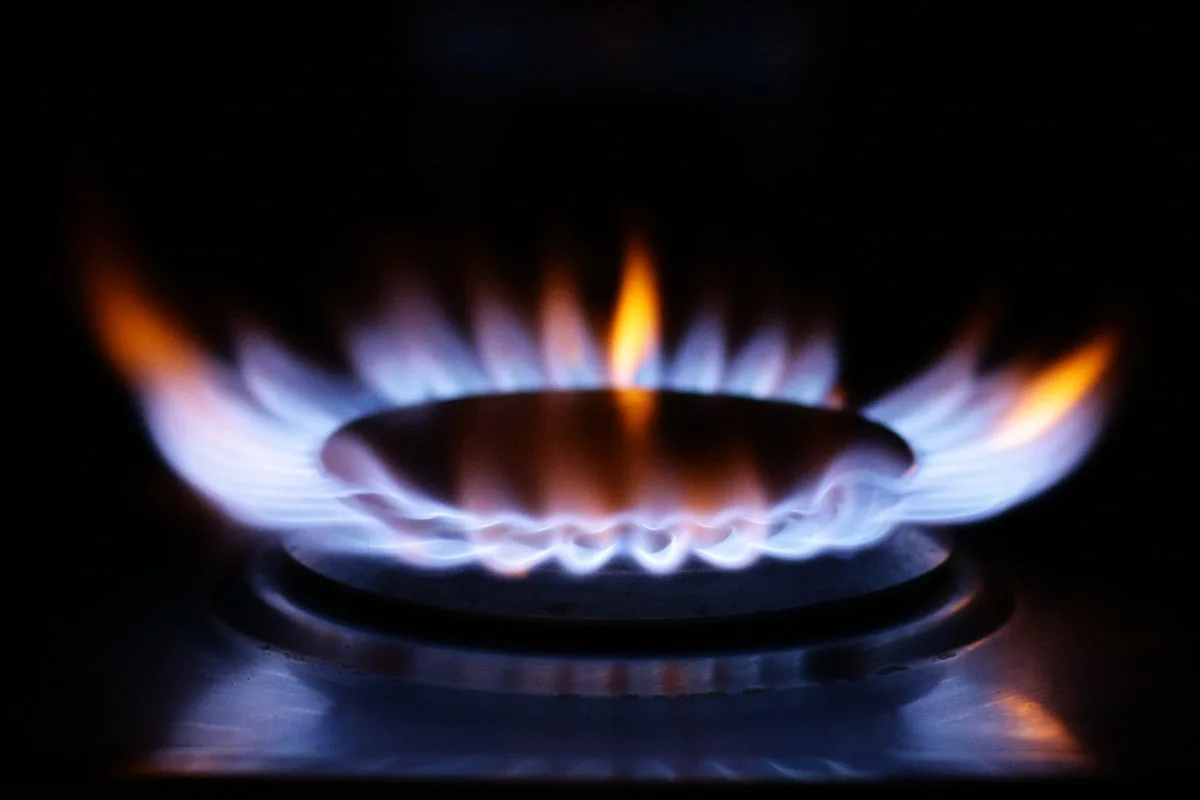
Alarming Levels of Carcinogen Detected in UK Domestic Gas Supply
High concentrations of the cancer-causing substance benzene have been identified in the domestic gas supply across four major UK cities, according to a comprehensive new study. Researchers warn that these "eye-popping" findings indicate significant potential health risks for households using gas appliances.
Widespread Contamination Across European Gas Networks
The research conducted by scientists at the Stanford Doerr School of Sustainability examined 72 domestic gas samples collected from the United Kingdom, the Netherlands, and Italy. Alarmingly, benzene was detected in every single sample analyzed, revealing widespread contamination of residential gas supplies.
Within the UK, researchers focused on samples from London, Edinburgh, Manchester, and St. Neots in Cambridgeshire. The most concerning results emerged from London, where the highest benzene reading reached 200 parts per million by volume (ppmv) - a concentration dramatically exceeding European Union safety standards.
Exceeding Safety Limits by Significant Margins
The European Union has established an annual limit value for benzene exposure at just 1.6 parts per billion by volume (ppbv). The London measurement of 200 ppmv represents a concentration approximately 125,000 times higher than this safety threshold.
Other UK cities showed elevated levels as well, with Edinburgh recording 57 ppmv and Manchester measuring 53 ppmv. Even the lowest benzene level detected in the UK, also found in London, registered at 4 ppmv - still substantially above recommended exposure limits.
Chronic Exposure Risks in Residential Settings
"Given these high concentrations, a lot of people are likely being chronically exposed to benzene without knowing it," explained Dr. Tamara Sparks, PSE air quality scientist and lead author of the study published in Environmental Research Letters.
The research team combined gas leak data with benzene concentration measurements to estimate annual household exposure. Their calculations revealed that approximately 9 percent of homes visited across the three countries had leaks substantial enough to exceed national benzene exposure limits.
Gas Leaks and Inadequate Warning Systems
The study identified another concerning issue: gas companies add sulfur-based odorants to help residents detect leaks, but researchers found these warning substances were present at insufficient levels in both the UK and Netherlands. This deficiency means most people would not detect leaks until benzene concentrations had already reached dangerous levels.
In London specifically, researchers calculated that benzene concentrations from a gas leak could reach 62 ppbv before odor levels would alert residents - nearly 40 times higher than the EU's annual benzene limit value.
Health Implications and Comparative Risks
Benzene, which occurs naturally in oil and gas fields, has no safe exposure level according to the World Health Organization. High concentrations are associated with leukemia and DNA damage. The calculated benzene exposure from larger leaks measured in the UK was found to be worse than living with a smoker in terms of benzene exposure alone.
For context, a person smoking 20 cigarettes daily has an estimated benzene intake approximately four times greater than a non-smoker. The study's household modeling suggests gas leaks can create similar exposure risks within residential environments.
Widespread Leakage Problems Identified
Researchers also examined homes for chronic gas leaks occurring when cookers were switched off. Their investigation revealed that 40 percent of kitchens in the three countries studied had detectable gas leaks, highlighting a systemic problem with residential gas infrastructure.
"We expect our homes to be the safest place we spend our time. This study shows that everyday use of gas can put people at unnecessary health risks," commented Dr. Rachel Huxley, head of mitigation at the Wellcome Trust.
Expert Reactions and Calls for Action
Dr. Seth Shonkoff, PSE executive director, expressed particular concern about the findings: "The levels of benzene we found in the distribution system gas in the UK and the Netherlands are frankly eye-popping. That means even a small leak can pose significant health risks quickly indoors and outdoors."
He emphasized that "whether it's leaking from a pipeline or a stove in someone's kitchen, it's all the same gas, and health risk travels with it."
While the UK government's website states that exposure to benzene levels high enough to cause adverse health effects is "very unlikely," this new research challenges that assessment. The Health and Safety Executive has been approached for comment regarding these concerning findings.
Researchers recommend that residents using gas appliances increase ventilation by opening windows to reduce personal risk, though they acknowledge this provides limited protection against systemic contamination of the gas supply itself.