

UK Fuel Prices Hit Highest Since Ukraine War Amid US-Iran Conflict
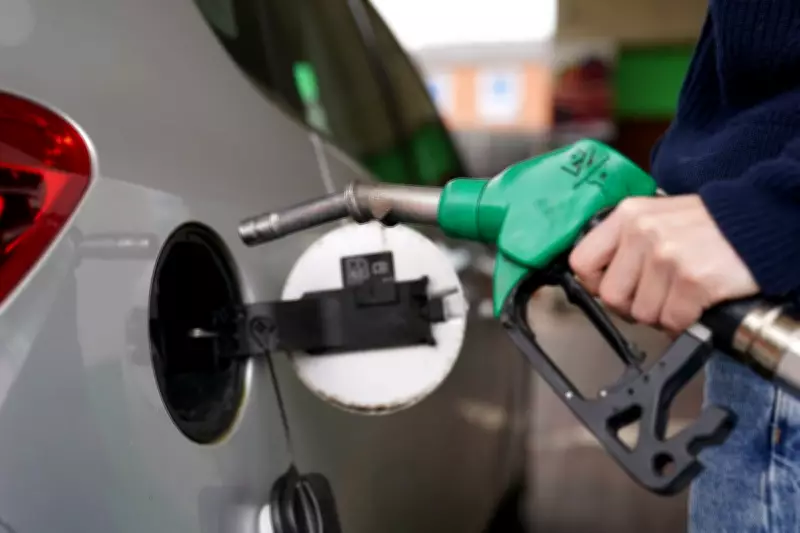
Drivers across the United Kingdom are facing a sharp increase in petrol and diesel costs, with prices at the pump reaching their highest point in nearly three years. This surge marks the steepest rise since the onset of the Ukraine war in 2022, as ongoing conflict in the Middle East continues to disrupt global economies.
Oil Prices Soar to $117 Per Barrel
The primary driver behind this escalation is a significant spike in oil prices, which have climbed to $117 per barrel. This increase follows retaliatory attacks by Iran on the world's largest liquefied natural gas facility in Qatar, a response to earlier strikes on Iranian oil fields. The current oil price is the highest recorded since June 2022, when it peaked at $119 during the Ukraine conflict, highlighting the direct impact of oil costs on wholesale fuel prices.
According to the latest data, petrol and diesel prices have risen by between 9.8p and 20.3p per litre since Saturday, 28 February, when the United States initiated strikes against Iran. On average, motorists can now expect to pay 142.62p per litre for unleaded petrol and 162.66p per litre for diesel, as reported by the RAC.

Financial Burden on UK Motorists
This price hike translates to a substantial financial burden for families. The cost of filling a standard 55-litre family diesel car has increased by as much as £11.16 in just over two weeks, with further rises anticipated. Prior to the conflict, oil prices had already reached a seven-month high but remained at $73 per barrel before the outbreak of hostilities.
The conflict has spread across the Middle East following US and Israeli strikes on Iran in February, which prompted Iranian retaliatory attacks on targets in the United Arab Emirates, Qatar, Bahrain, Jordan, and Iraq. Ongoing airstrikes and reported blasts in the region have exacerbated tensions, with Iran threatening to "set fire" to any ships attempting to pass through the Strait of Hormuz.
Strategic Importance of the Strait of Hormuz
The Strait of Hormuz is a critical chokepoint for the global oil industry, serving as the only passage from the Persian Gulf to the open ocean. Approximately 20% of the world's gas and oil is shipped through this waterway, making the Iranian threat particularly damaging to international trade and energy markets.
In response to the rising fuel costs, AA president Edmund King has advised UK motorists to consider reducing non-essential journeys. He emphasised that prolonged conflict will continue to affect oil prices, noting that any time Brent Crude exceeds $100 per barrel, it raises concerns across markets, the haulage industry, and drivers.
Analysis and Political Responses
Analysis from the Energy and Climate Intelligence Unit reveals a historical link between oil and fuel prices. When oil trades at $100 per barrel, petrol prices typically reach about 150p per litre, while oil at $120 per barrel can push petrol prices to around 170p per litre. Some forecourt operators have been recorded charging as much as 180p per litre for petrol, prompting Chancellor Rachel Reeves to state she will "not tolerate price gouging" and plans to meet with petrol retailers to address the issue.
Additionally, there have been calls for the chancellor to cancel Labour's planned increase in fuel duty, which would reverse the 5p-per-litre cut introduced in March 2022 in response to Russia's invasion of Ukraine. Ms Reeves announced a reversal of this cut in November's Budget, with a 1p increase scheduled for September this year, followed by 2p in December and a final 2p in March 2027. While she has rejected calls to scrap the plan, stating it is "under review," a Conservative bid to cancel the increase was defeated in the Commons on Wednesday.






