UK Motorists Hit with £15 Million Daily Fuel Cost Increase
British drivers are now facing an additional £15 million in daily fuel expenses as retailers rapidly increase prices at petrol forecourts across the country. This surge follows the outbreak of the Iran war, which has severely disrupted global oil supplies through the strategic Strait of Hormuz.
Sharp Price Rises at the Pump
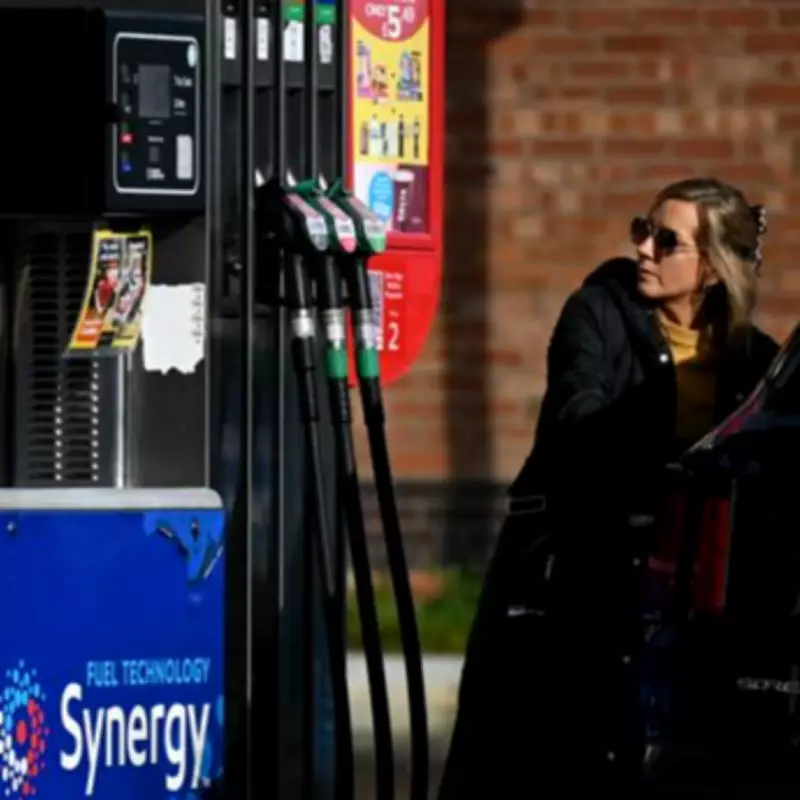
Consumers have witnessed unleaded petrol prices jump by more than 6p per litre over recent weeks, adding over £3.30 to the cost of filling a standard family car. The average price of unleaded E10 fuel is now approaching 140p per litre, while diesel costs are climbing even faster to just above 157p per litre.
These increases mean the total daily fuel expenditure in the UK is already £12.9 million higher than before the conflict began on February 28th, with projections indicating this figure will surpass £15 million if current trends continue.

Iran's Strait of Hormuz Blockade
The price escalation stems directly from Iran's military actions targeting the Strait of Hormuz, a critical maritime passage that normally handles approximately 20% of global seaborne oil and gas exports daily. Following attacks by US and Israeli forces that commenced on February 28th, Iran has effectively halted shipping through this narrow waterway.
An Iranian armed forces spokesperson declared: "We will not allow even one litre of oil to pass through the Strait of Hormuz for the benefit of the U.S. and its allies," adding ominously, "Get ready for oil to be $200 a barrel."
Although the US Air Force has attacked mine-laying Iranian ships in the strait and the White House announced naval escort operations for oil tankers, the crisis shows no immediate resolution as vessels avoid potentially catastrophic voyages.
Regulators Put Retailers "On Notice"
The Competition and Markets Authority (CMA) has issued a stern warning to fuel retailers, stating it has put them "on notice" regarding intensified monitoring of petrol and diesel prices during the Middle East conflict.
Juliette Enser, the CMA's executive director for markets, emphasized: "Whilst price increases might be inevitable because of rising wholesale costs, it is important that those increases reflect genuine cost pressures. We will be closely scrutinising and reporting on what's happening with fuel prices and call out any concerning behaviour."
Varied Price Increases Across Retailers
Government data analysis reveals significant disparities in how different petrol station operators have adjusted their pricing. The average unleaded petrol price reached 137.3p on Tuesday this week, representing a 6.3p increase compared to February 19th, just before military actions commenced.
Texaco and Morrisons have implemented 7p per litre increases during this period, while Asda Express, which operates service station forecourts, has raised prices by 10.1p per litre.
Regional Variations and Retailer Explanations
The most substantial increase has occurred at Essar, which operates approximately 70 petrol stations primarily in northwest England. Essar's unleaded petrol reached 139.9p per litre on March 10th, marking a 14p increase from February 19th levels—equivalent to an 11% price rise.
Essar attributed this comparatively larger increase to a temporary price-drop campaign that concluded before the Iran war began. A company spokesperson explained: "Today, petrol prices on Essar's forecourt are below the national average, outside of the supermarket forecourts. At the start of the year, we ran a temporary price-drop campaign and average prices at Essar garages were lower than at all other major retailers."
The spokesperson added: "The comparison time range begins during this temporary price-drop and therefore distorts the percentage increase compared to peers. Any changes to prices since have only brought us closer to, but still below, the national average and we are committed to offering our customers competitive prices every day."
With no end to the Iran conflict in sight, experts fear fuel prices will continue their upward trajectory, placing increasing financial pressure on British motorists already grappling with elevated living costs.