

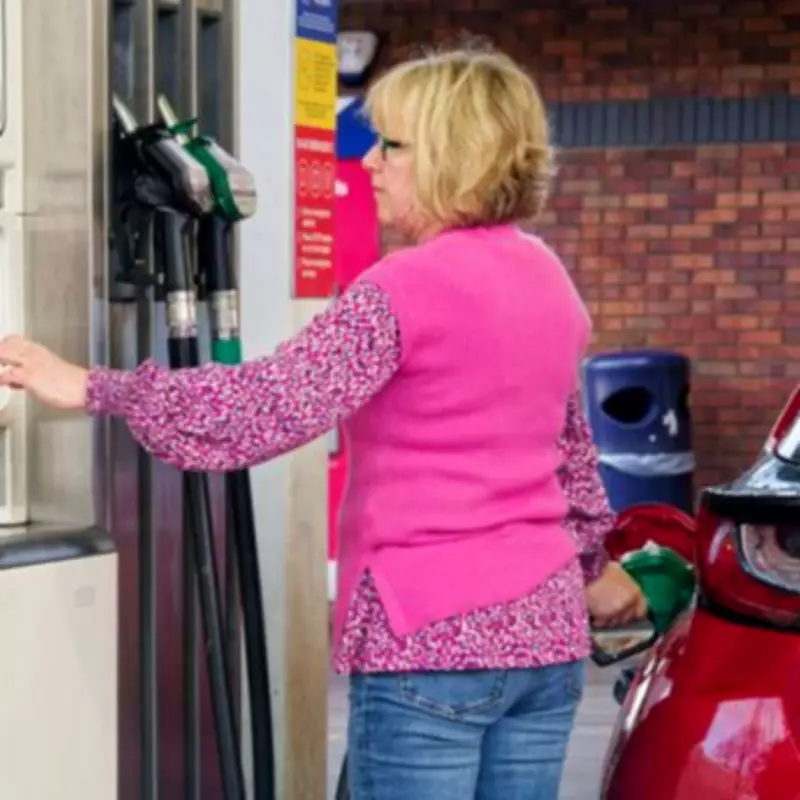
British motorists may finally see some relief at the pumps following a significant drop in global oil prices, triggered by a ceasefire agreement in the Middle East. However, industry experts caution that any reduction in fuel costs will be gradual and that prices are likely to remain elevated for the foreseeable future.
Current Fuel Price Landscape
The average price for petrol across the United Kingdom has now reached 154.65 pence per litre, marking the highest level recorded since October 2023. This represents an increase of nearly 20 pence per litre since the onset of the conflict approximately six weeks ago, a surge of more than 17 percent. Diesel prices have climbed even higher, averaging 186.75 pence per litre, which is the most expensive price point since November 2022. Some drivers have reported encountering prices exceeding £2 per litre at certain forecourts, highlighting the severe financial strain on households.
International Context and Political Pressure
The fuel price crisis is not confined to the UK. In the United States, average petrol prices have jumped more than 20 percent in just one month, rising from $3.45 to $4.16 per gallon. This sharp increase could place considerable political pressure on US President Donald Trump as the mid-term elections approach in November, with voters feeling the pinch of higher living costs.

The Ceasefire and Market Reaction
A significant development occurred with the announcement of a 14-day ceasefire agreement between the US and Iran. This diplomatic breakthrough has led to a notable retreat in oil prices, with the markets reacting positively. The price of Brent crude oil fell by approximately 13 percent to nearly $95 (£71) a barrel in early trading, offering a glimmer of hope for consumers.
Expert Analysis on Price Trends
Prem Raja, head of the trading floor at Currencies 4 You, stated that we may be at or near the peak of fuel prices if the ceasefire holds. "Petrol prices tend to lag oil, so even though crude has started to fall on the ceasefire news, drivers won’t feel it immediately," he explained. "We’ve already seen oil drop sharply, but pump prices are still reflecting the earlier spike when supply through the Strait of Hormuz was disrupted. In terms of a peak, we’re likely close or already there if the ceasefire holds."
Raja emphasised the historical pattern where prices surge quickly due to panic and supply fears but decline more slowly. He advised drivers to shop around for the best deals, noting meaningful price differences between stations, particularly between motorway services and local forecourts.
Tony Redondo, founder of Newquay-based Cosmos Currency Exchange, described a "rocket and feather" effect. "Pump prices rose quickly but will drift down slowly, likely staying above 145p per litre through the summer, down from around 157p, driven by Middle East conflict," he said. Redondo highlighted that a two-week ceasefire has led analysts to suggest we may be in the "peak zone," with wholesale costs expected to stabilise. However, he warned that infrastructure damage and risk premiums on the Strait of Hormuz mean prices won't fall sharply.
To save money, Redondo recommended favouring supermarket forecourts, which average 4.4p cheaper than branded stations. He also noted that the 5p fuel duty cut is due to begin tapering in September 2026, which could offset any global price drops.
Broader Economic Implications
Antonia Medlicott, founder and MD at London-based Investing Insiders, pointed out that the jump in petrol prices speaks less about the current conflict and more about markets pricing in risk, particularly concerning global supply routes. "Unless there is a further escalation that disrupts supply, this could stabilise sooner than was previously anticipated," she said.
Medlicott cautioned drivers not to assume that a ceasefire will result in immediate relief at the pumps. "The bigger issue for households is how exposed they are to these repeated shocks. While spikes can be temporary in isolation, the cumulative effect on day-to-day costs can be significant and enduring," she added.

Cautionary Notes and Future Risks
Samuel Mather-Holgate, MD and IFA at Swindon-based Mather and Murray Financial, warned that petrol prices are likely to remain elevated despite the ceasefire. "The ceasefire in the Middle East has seen oil prices plummet, but this isn’t the end of the story. Volatility remains and petrol prices will stay elevated until there looks to be an enduring peace, and with Israel in the mix that could be a way off," he stated.
Mather-Holgate highlighted ongoing geopolitical tensions, noting that while Trump may want to exit the war he started, Netanyahu might not be satisfied with a hollow victory. "Jitters will remain and petrol prices will stay high for some time. It’s still not impossible for fuel to reach £2 per litre, even with the prospect of peace," he concluded, underscoring the persistent uncertainty in the market.
In summary, while the recent ceasefire offers a hopeful sign that fuel prices may have peaked, British drivers should prepare for a slow and gradual decline in costs, with prices expected to remain well above historical averages for the coming months. The situation remains fluid, heavily dependent on the stability of the ceasefire and subsequent peace talks in the Middle East.





