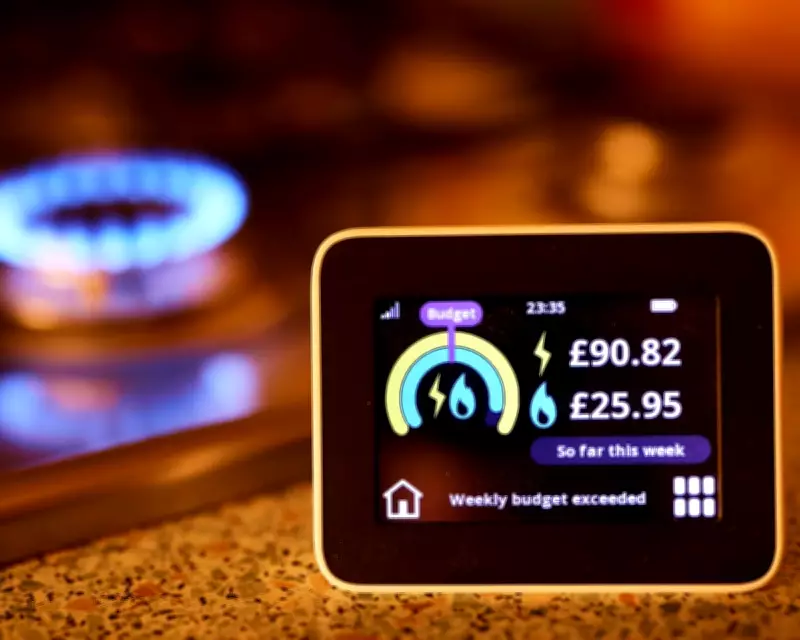
Household energy bills in Great Britain are projected to decline by an average of almost £117 annually starting in April, according to recent forecasts. This reduction follows Chancellor Rachel Reeves' announcement in the November budget to remove green subsidy costs from domestic energy bills, shifting them into general taxation.
Price Cap Adjustment and Financial Impact
Leading energy consultancy Cornwall Insight has analyzed the implications of the government's decision. The quarterly cap on energy bills is expected to fall due to the elimination of levies that previously supported renewable energy projects and the scrapping of a bill payer-funded energy efficiency scheme.
The analysts predict that the price cap will decrease to an average of £1,641 per year for a typical dual-fuel household from April, down from the current £1,758. This adjustment comes despite slightly higher energy market prices, with Reeves' intervention effectively cutting £145 from the average annual energy bill.

Offsetting Factors and Long-Term Challenges
However, these savings will be partially offset by rising costs associated with maintaining and upgrading the country's energy networks. Craig Lowrey, principal consultant at Cornwall Insight, emphasized the importance of sustaining these reductions.
"The real test will be keeping those savings going," Lowrey stated. "That won't be easy as the UK continues to upgrade its networks and infrastructure. That investment is needed if we want an energy system that is more secure and resilient, after the consequences of exposure to global energy markets were made all too apparent in recent years. However, there needs to be an open conversation about the fact that such a transition will not be cost‑free."
Historical Context and Current Market Conditions
Even with the anticipated drop, energy bills will remain approximately a third higher—about £425 annually—compared to levels before Russia's invasion of Ukraine, which triggered an energy market crisis across Europe. This persistence is attributed to several factors:
- Gas market prices staying elevated due to increased costs of importing gas via tanker from the US and the Middle East.
- Higher expenses linked to the UK's ongoing energy transition efforts.
The impact of wholesale gas market costs on the price cap is about £170 per year higher than four years ago, while the cost of Britain's energy networks has risen by £143 annually over the same period.
Transparency and Future Outlook
Lowrey highlighted the necessity for clear communication regarding these changes. "The most important thing is transparency—being honest with people about why these changes are happening and how they fit into a longer-term plan," he explained. "Bills aren't going to drop by two or three hundred pounds overnight, but long-term progress is possible if we stick with the transition. Ultimately, a move to homegrown energy gives us a stronger chance of eventually achieving price stability while providing greater energy security in the process."
This forecast underscores the complex interplay between government policy, market dynamics, and infrastructure investments in shaping household energy expenses. As the UK advances its energy transition, balancing affordability with sustainability and security remains a critical challenge for policymakers and consumers alike.