Britain's Electricity Generation Reaches Highest Domestic Level in Over Two Decades
Britain's electricity supply has achieved its most domestically sourced composition in more than twenty years, according to a comprehensive new analysis. Experts from the Energy and Climate Intelligence Unit (ECIU) have examined the sources that powered the nation's electricity grid throughout last year, revealing a significant milestone in energy independence.
Shifting Energy Landscape
The detailed investigation indicates that just 46 per cent of the energy required for UK electricity was imported during the period, while 53 per cent was generated within the country's borders. This represents a notable improvement from previous years, with imported energy standing at 48 per cent in 2024 and a substantial 67 per cent back in 2013.
Dr Simon Cran–McGreehin, Head of Analysis at the ECIU, commented on these findings: 'Many people won't necessarily realise it, but the UK has made significant progress in shifting away from gas and towards renewables, boosting energy independence in the process.'

Renewables Driving the Change
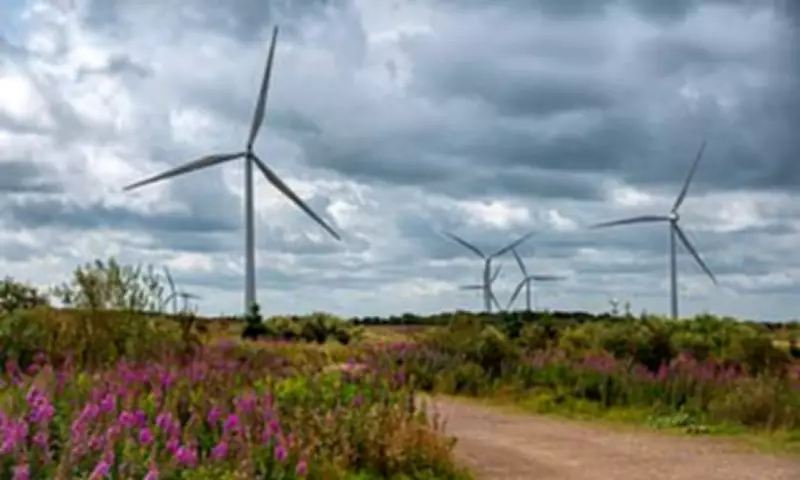
The surge in domestic energy production is primarily attributed to the expansion of renewable sources powered by wind, water, and sunshine. Higher output from wind, hydro, and solar installations accounted for the majority of this improvement, delivering over six times the benefit compared to shifts in fossil fuel sources.
Solar power experienced the most dramatic increase, rising by more than a third (37 per cent), while UK wind power set a new record at the end of March. These developments have helped insulate the country from volatile global energy markets.
Analysis Methodology and Findings
For their research, the ECIU team meticulously examined the UK government's Energy Trends reports from the previous year. Their investigation confirmed that over 53 per cent of the energy used for UK electricity originated from domestic sources, with 46 per cent imported.
The researchers noted that 'results for imported primary energy and UK–based primary energy do not sum to 100% in some years because, whilst electrical storage was included in the analysis, it was not treated as being either UK–based or imported energy.' They explained that determining the source of electricity used for storage would require more granular data than annual reports provide.
Energy Security and Future Prospects
Dr Cran–McGreehin emphasized the broader implications of these developments: 'The UK was particularly badly hurt by the last gas crisis, because as a country we've been so dependent on gas for both generating electricity and heating homes.'
He continued: 'As the current crisis shows, we're not out of the woods yet, and the grid requires investment, but renewables already are helping to insulate against and gradually unplug from the volatile global oil and gas system.'
The expansion of renewable energy is more than compensating for the ongoing decline in North Sea gas output, which has continued despite decades of policies aimed at maximizing extraction.
Pathway to Greater Independence
Looking forward, the combination of electric heat pumps replacing gas boilers and electric vehicles displacing petrol and diesel cars presents a clear pathway toward enhanced energy security. 'Combined with electric heat pumps replacing gas boilers and EVs taking the place of petrol and diesel cars, you can see a path to UK energy powering the economy and people’s homes better protected from these global shocks,' Dr Cran–McGreehin explained.
He highlighted the strategic advantage of domestic renewable resources: 'British wind and sunlight don’t run through the Strait of Hormuz. It’s the hard work of communities in Grimsby, Tyneside and Sunderland building the offshore wind farms and electric cars that enable us to become more energy independent.'
The analysis underscores that achieving net zero emissions represents not only the scientifically necessary approach to addressing climate change but also a strategic move toward detaching from the instability created by global oil and gas markets.