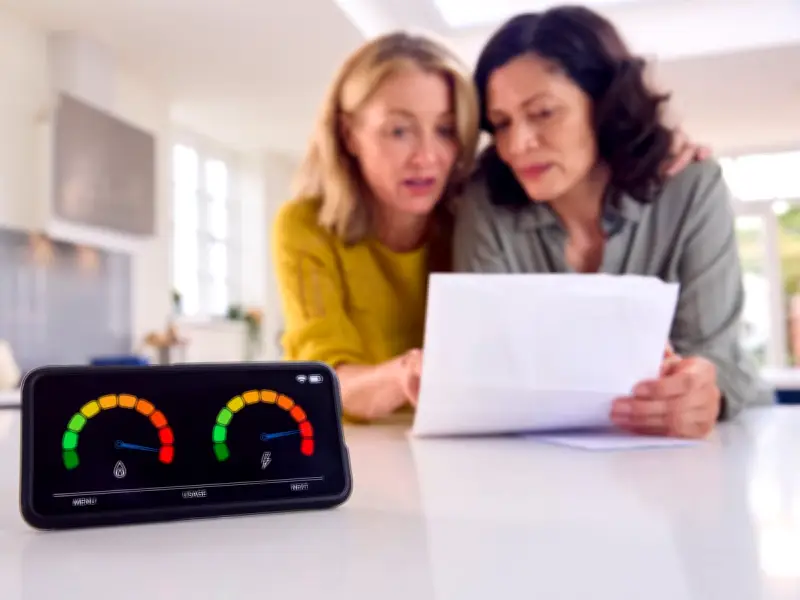
Householders are being urged to carry out two 'crucial' tasks as the new energy price cap takes effect. The moves could help to reduce energy costs as many families face increased bills from July 1.
Submit a Meter Reading
Firstly, people are being asked to submit energy meter readings to avoid paying higher bills than necessary. A 13% jump to the price cap kicks in on Wednesday, affecting an estimated 5.3 million households on standard tariffs without smart meters. By submitting readings, customers ensure they are not charged for energy used before the new, more expensive rates apply.
Get a Cheap Fixed Energy Deal
Secondly, householders are being advised to secure a cheap fixed energy deal. This can help prevent further hikes in energy costs, especially as many families across the UK struggle with the rising cost of living.
Ofgem's price cap sets the maximum amount firms can charge homes on standard tariffs per unit of gas and electricity. Households paying via direct debit will see electricity charges rise from 24.67p to 26.11p per kilowatt hour, while gas charges increase from 5.74p to 7.33p per kWh. Based on the new rates, the average annual gas and electricity bill will increase by £221 to £1,862. The jump is largely driven by a spike in global energy wholesale prices caused by the Middle East conflict.
Expert Advice
Uswitch energy spokesman Ben Gallizzi said: 'There are two crucial things you should add to your to-do list for the coming days – submit a meter reading and get a cheap fixed energy deal. Millions of households should take a moment to read their meter at the end of the month to avoid being overcharged for their energy due to higher prices kicking in from July.'
Minister for energy consumers Martin McCluskey said: 'We know families are deeply concerned about rising energy bills because of a war we did not choose, and we are determined to fight their corner to tackle energy affordability. The action we took at the budget, which has taken an average £150 of costs off energy bills, is now factored into bills for the years to come. We have also expanded the Warm Home Discount scheme, which benefitted around six million households last winter and will remain in place for the rest of the decade. We will continue to monitor the situation ahead of the winter and plan for all contingencies, while doubling down on our mission for clean power to bring down bills for good.'
Bills Set to Stay High This Winter
The jump in the price cap comes as latest forecasts suggest bills will remain high throughout winter. Cornwall Insight predicts bills will fall by only around 0.5% in October compared to July, as the US-Iran 60-day ceasefire helps stabilise wholesale gas markets. However, conflicting reports on the reopening of the Strait of Hormuz, patchy peace talks, and uncertain timelines for repairing key regional infrastructure mean prices remain high, if less volatile than in the spring. Cornwall expects a typical household to face a bill of £1,849 from October. While Ofgem is updating its definition of a typical consumer from July to reflect falling household energy use, adjusting the headline figure to £1,654, Cornwall says this represents 'little change' on a like-for-like basis.
July's higher prices will be cushioned by warmer weather and lower household energy use, but the October cap will land as people switch heating back on, having a greater impact on household finances. Prices rocketed after Iran responded to US and Israel attacks by blocking the Strait of Hormuz shipping route, through which a fifth of the world's oil and gas is carried. Ofgem will announce the next quarterly price cap level for October to December on or by August 26.