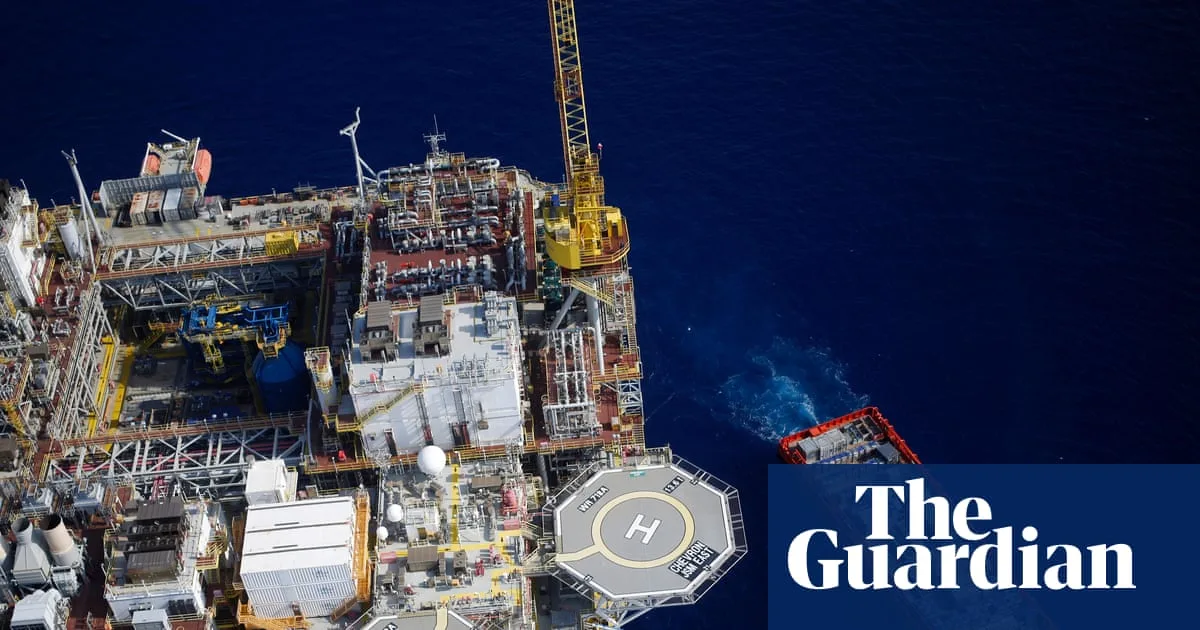
The head of the International Energy Agency (IEA) has warned that the oil and gas crisis triggered by the blockade of the Strait of Hormuz is more severe than the crises of 1973, 1979 and 2022 combined. Fatih Birol told Le Figaro that the impact of the Middle East conflict on the oil market exceeds the combined force of the twin shocks of the 1970s and the fallout from Russia's invasion of Ukraine.
Oil prices fluctuated around $110 a barrel on Tuesday, rising above that level after US President Donald Trump warned that a 'whole civilisation will die tonight' unless Iran makes a deal, before later easing. Investors are increasingly anxious as Trump escalates threats against Iran, demanding it reopen the Strait of Hormuz. Reports also emerged that the US had hit military targets on Kharg Island, a key Iranian oil export terminal.
The IEA executive director warned that developing nations are most at risk, facing higher oil, gas and food prices, and accelerating inflation. European countries, Japan and Australia would also feel the impact. The International Monetary Fund's Kristalina Georgieva said the war is likely to lead to higher inflation and slower global growth, noting that 'all roads now lead to higher prices and slower growth'.

European markets fell on Tuesday after Trump's latest threat. The FTSE 100 closed 0.84% down, Germany's DAX fell 1.1%, and France's CAC 40 lost 0.7%. Wall Street opened lower, with the Dow Jones dipping 0.64%. In the UK, drivers faced significant fuel price rises over Easter, with petrol up 2.6p to 157.02p per litre and diesel up 4.2p to 189.42p, according to the RAC.
The Iran war is pushing the British economy towards stagflation, with service sector growth at its weakest in 11 months in March due to falling business and consumer spending. Thomas Pugh, chief economist at RSM UK, said: 'The inevitable conclusion is that the UK is in for another bout of stagflation, even if the conflict ends soon. If it drags on longer, a recession looks likely.'