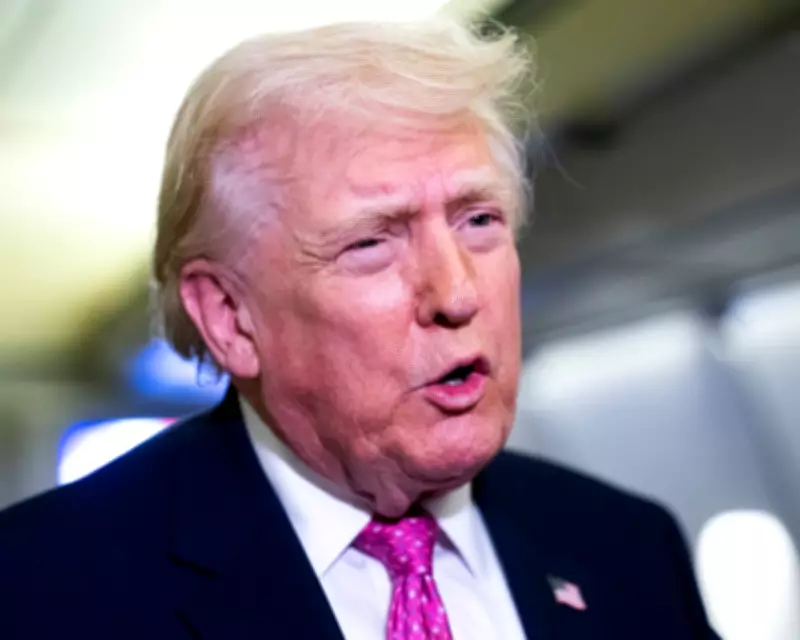
Trump's Threats Against Iran Send Oil Prices Soaring Amid Escalating Conflict
Brent crude oil surged to nearly $117 a barrel on Monday as former US President Donald Trump issued stark warnings to Iran, threatening to "blow up" and "completely obliterate" its electricity plants, oil wells, and the key export hub of Kharg Island if a deal is not reached. In a post on Truth Social, Trump stated this action would be retribution for Iran's alleged killings over decades, intensifying fears of a broader Middle East war.
Market Reactions and Investor Jitters
The oil price initially jumped by 2% to $116.89 per barrel in early trading, nearing a peak of $119.50 seen since the US-Israel conflict with Iran began on February 28, before retreating to $112. European stock markets showed modest gains, with the Stoxx 600 index up 0.9% and the UK's FTSE 100 rising 1.6%. In the US, the S&P 500 and Dow Jones edged higher, while the Nasdaq remained flat. However, Asian markets tumbled sharply, with Japan's Nikkei falling 2.8% and South Korea's Kospi dropping 3%, reflecting regional vulnerability to Gulf energy shortages.
Trump's Conflicting Signals and Strategic Ambiguity
In an interview with the Financial Times, Trump expressed a desire to "take the oil in Iran" but acknowledged criticism from "stupid people" in the US. He remarked, "Maybe we take Kharg Island, maybe we don't. We have a lot of options," adding to uncertainty over US intentions. This ambiguity has fueled investor nervousness, compounded by the arrival of 3,500 additional US troops in the Middle East and Houthi rebels in Yemen entering the fray with missile attacks on Israeli sites.

Broader Economic and Energy Impacts
The conflict has driven Brent crude to its largest monthly gain ever in March, up 54%, surpassing the previous record set in 1990 after Saddam Hussein invaded Kuwait. This disruption has translated into higher fuel costs for consumers, with UK petrol prices hitting 152p per litre, the highest in 28 months, and diesel reaching 181.2p per litre. Industry experts warn of potential temporary shortages at petrol pumps. Meanwhile, natural gas prices in Europe rose slightly, with Dutch futures up 1% to €54.70 per megawatt-hour.
Global Responses and Analyst Predictions
UK Prime Minister Keir Starmer held talks with energy giants like Shell and BP, as well as finance and shipping executives, to discuss emergency measures for the Hormuz Strait blockade, through which a fifth of global oil and gas flows. Analysts, such as Ipek Ozkardeskaya from Swissquote, speculate that crude could rise to $150 or even $200 per barrel if the war persists, potentially triggering a global recession above $120-130 levels. Additionally, aluminium prices spiked over 5% in Asia after Iran targeted producers in Bahrain and the UAE.
Policy and Clean Energy Initiatives
Amid the crisis, UK Chancellor Rachel Reeves urged G7 nations to accelerate clean energy transitions to buffer economies from oil and gas price shocks, during a virtual meeting with G7 finance and energy ministers. This call highlights the growing urgency to diversify energy sources as geopolitical tensions threaten global stability.