

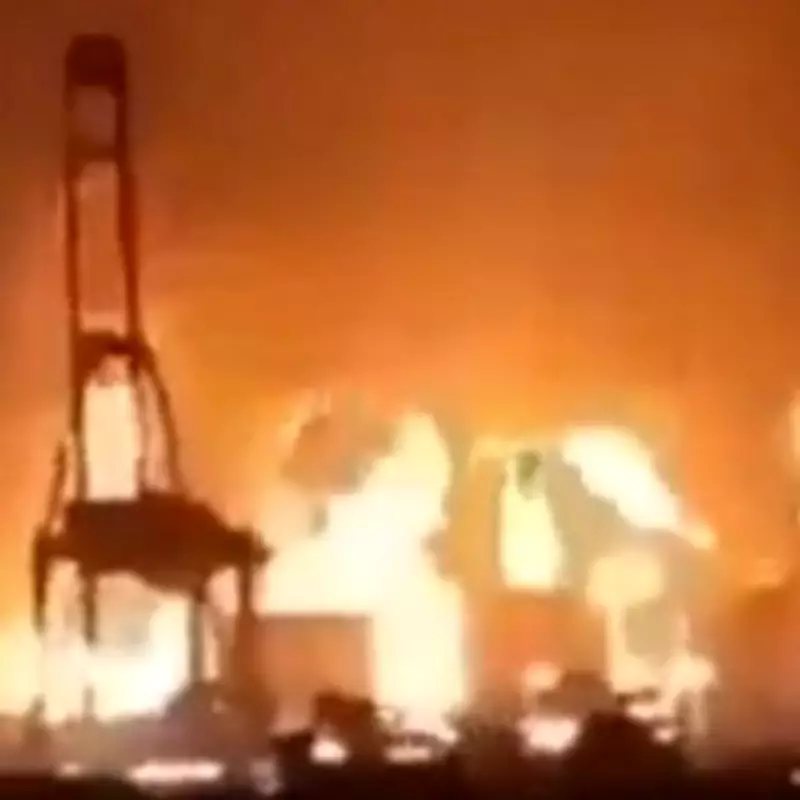
Energy infrastructure across the Middle East has been targeted in a series of devastating attacks, exacerbating the ongoing conflict and causing global fuel prices to soar. The situation escalated dramatically following an Israeli strike on the South Pars gas field, a critical facility jointly owned by Iran and Qatar.
Iran Retaliates with Widespread Assaults
In response to the Israeli attack, Iran launched intensified assaults on the energy infrastructure of its Gulf neighbours. These strikes set Qatari liquefied natural gas (LNG) facilities and two major Kuwaiti oil refineries ablaze, marking a significant escalation in the regional war. The attacks have disrupted key energy supplies, contributing to skyrocketing global fuel prices and raising fears of prolonged market instability.
Trump's Chilling Warning
Former US President Donald Trump issued a stark warning via Truth Social, threatening to "massively blow up the entirety" of the South Pars gas field if Iran continues to target Qatar's energy infrastructure. Trump emphasized that the United States was not involved in the initial Israeli strike and warned of severe retaliation. He stated, "I do not want to authorize this level of violence and destruction because of the long term implications that it will have on the future of Iran, but if Qatar’s LNG is again attacked, I will not hesitate to do so."

Impact on Gulf Nations
The attacks have caused widespread damage and operational shutdowns across the region:
- Qatar: Firefighters extinguished a blaze at a major LNG facility after Iranian missile strikes, but production had already been halted due to earlier attacks. The latest wave caused "sizeable fires and extensive further damage," potentially delaying Qatar's ability to restore supplies to the market even after the conflict ends.
- Kuwait: Drone attacks sparked fires at the Mina Al-Ahmadi and Mina Abdullah refineries, though no injuries were reported. The Mina Al-Ahmadi refinery, one of the largest in the Middle East, has a production capacity of 730,000 barrels per day.
- United Arab Emirates: Authorities in Abu Dhabi were forced to shut down operations at the Habshan gas facility and Bab field, condemning the Iranian attacks as a "dangerous escalation."
Regional Reactions and Broader Threats
Qatar, Saudi Arabia, and the United Arab Emirates all denounced the Iranian attacks, with Saudi Arabia's top diplomat noting that assaults on the kingdom have "completely shattered" what little trust remained. Meanwhile, missile alert sirens sounded in multiple areas around the Gulf, and Israel warned of incoming Iranian fire.
Iran condemned the strike on South Pars, with President Masoud Pezeshkian warning of "uncontrollable consequences" that could engulf the entire world. Additional incidents included a ship burning off the coast of the UAE and another damaged off Qatar, highlighting the persistent dangers in the Strait of Hormuz due to Iran's influence.
As the conflict intensifies, the international community watches closely, concerned about further escalations and their impact on global energy markets and regional stability.






