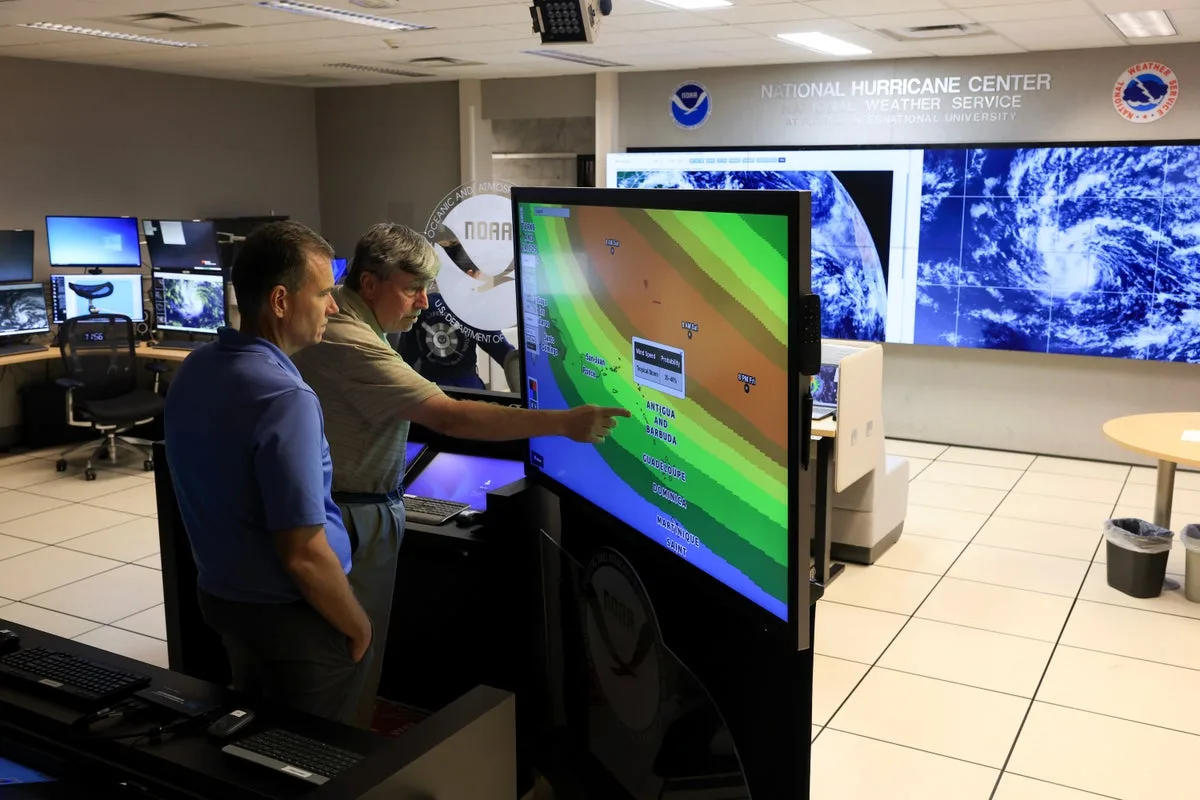
Tropical Storm Amanda Becomes First Pacific Cyclone of 2026 Season
Tropical Storm Amanda Forms in Pacific, First of Season

Tropical Storm Amanda has emerged as the inaugural tropical cyclone of the Pacific hurricane season, according to the National Hurricane Center (NHC). The storm developed on Wednesday, marking the first named system of the year for the region.

Current Status and Location

As of the latest advisory, Amanda was situated approximately 1,475 miles (2,375 kilometers) west-southwest of Mexico's Baja California peninsula. With its center remaining over open ocean, the storm poses no immediate danger to land, the Miami-based weather agency confirmed.

The system currently sustains maximum winds of 40 mph (65 kph). Meteorologists anticipate that Amanda will intensify over the coming days before weakening toward the weekend.

Wide Pickt banner — collaborative shopping lists app for Telegram, phone mockup with grocery list

Seasonal Context

The Pacific hurricane season commenced on May 15, while the Atlantic season began on Monday but has yet to see any tropical cyclone formation. Following Amanda on the 2026 Pacific storm list is Boris.

The National Oceanic and Atmospheric Administration (NOAA) forecasts a calmer-than-normal Atlantic hurricane season this year, but the eastern Pacific is expected to experience heightened activity. This disparity is attributed to El Niño, a seasonal climate pattern that suppresses hurricane development in the Atlantic while fostering conditions conducive to storm formation in the Pacific.

El Niño Influence

An especially strong "super" El Niño has contributed to a 70 percent probability of above-normal activity in the eastern Pacific. This could result in storms impacting Hawaii and, occasionally, the West Coast of the United States.

Previous Season Review

The 2025 Atlantic hurricane season, which concluded on November 30, presented a striking paradox. It oscillated between periods of unusual calm and bursts of formidable storm activity. Despite generating some exceptionally powerful systems, the United States experienced a decade-long first: no hurricane made landfall.

"For the first time in a decade, not a single hurricane struck the U.S. this season, and that was a much-needed break," stated Neil Jacobs, Ph.D., under secretary of commerce for oceans and atmosphere and NOAA administrator. However, the season was not without impact. "Still, a tropical storm caused damage and casualties in the Carolinas, distant hurricanes created rough ocean waters that caused property damage along the East Coast, and neighboring countries experienced direct hits from hurricanes."

Average Season Statistics

According to Weather.com, from 1991 through 2020, an average hurricane season in the Central and Eastern Pacific generated between 16 and 17 storms, eight to nine of which were hurricanes, and four to five of which reached at least Category 3 status.

Pickt after-article banner — collaborative shopping lists app with family illustration